Belt and Road 3.0: Digital Transformation at Scale
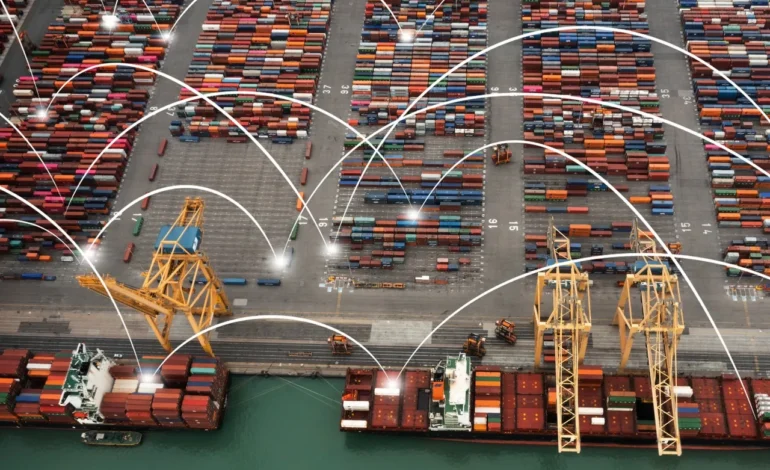
The Belt and Road Initiative is entering its third phase as digital transformation becomes the centerpiece of global connectivity. Belt and Road 3.0 emphasizes technology integration, sustainable infrastructure, and smart governance to redefine trade and development for the data-driven economy. With the shift from traditional physical corridors to intelligent digital networks, China is positioning the initiative as an engine for inclusive innovation across Asia, Africa, and Europe.
From Physical Corridors to Digital Ecosystems
The early stages of the Belt and Road focused on logistics and energy infrastructure, but the new phase prioritizes digital interconnectivity. Projects now include smart ports, cloud data centers, and 5G communication routes that enhance the flow of goods, data, and capital simultaneously. These developments enable countries to leapfrog outdated industrial systems and adopt intelligent platforms for customs, logistics, and financial services. The transformation signals a shift from building roads and bridges to constructing information highways that connect emerging economies through shared technology standards.
Smart Infrastructure and Automation
Automation is central to Belt and Road 3.0, with participating countries adopting AI-enabled systems for port management, energy distribution, and urban planning. Chinese technology companies are deploying intelligent sensors, predictive analytics, and digital-twin platforms to manage large-scale infrastructure in real time. This smart infrastructure reduces maintenance costs and improves reliability by predicting equipment failures and optimizing energy consumption. The combination of automation and data analytics enhances resilience and sustainability, setting a benchmark for 21st-century infrastructure projects.
Sustainable Energy and Green Development
The digitalization of the Belt and Road aligns with global climate commitments through large-scale renewable-energy integration. Solar, wind, and hydro projects are increasingly managed through intelligent monitoring systems that optimize energy output and grid stability. Many partner countries are building green industrial zones powered by renewable resources and managed through smart-energy software. This integration reduces carbon footprints while promoting investment in sustainable industries. By linking energy efficiency with digital infrastructure, Belt and Road 3.0 becomes a blueprint for environmentally responsible development.
Digital Trade and E-Commerce Connectivity
Cross-border e-commerce has emerged as one of the most dynamic components of the Belt and Road’s digital expansion. Trade platforms in China, Southeast Asia, and the Middle East now interconnect logistics systems and payment gateways to simplify customs processes and reduce transaction times. Cloud-based data sharing and AI-driven trade analytics allow businesses to access real-time market insights, creating new export opportunities for small and medium enterprises. The seamless integration of trade data networks enhances regional competitiveness and builds a foundation for unified digital marketplaces.
Education, Skills, and Human Capital Development
As digital transformation accelerates, human capital has become an essential pillar of the initiative. Training programs led by Chinese universities and partner institutions in Africa, Central Asia, and Europe are preparing a new generation of engineers, data scientists, and digital entrepreneurs. Virtual learning platforms and technical certification programs ensure that knowledge transfer accompanies infrastructure investment. The emphasis on education strengthens local capacity, enabling partner nations to manage and sustain digital systems independently over the long term.
Technology Diplomacy and Global Governance
Belt and Road 3.0 is also reshaping the geopolitics of technology. Through policy dialogues and multilateral forums, China and its partners are advocating inclusive digital governance frameworks that balance innovation with security and sovereignty. Cooperation in areas such as cybersecurity, data privacy, and artificial-intelligence ethics demonstrates a growing awareness that technology must serve both economic growth and social stability. This diplomacy fosters trust and establishes shared standards for responsible digital development.
The Next Frontier of Global Connectivity
Belt and Road 3.0 represents the convergence of physical infrastructure, digital innovation, and sustainable policy. It aims to connect over two-thirds of the world’s population through intelligent trade routes, data networks, and energy systems. Analysts predict that by 2030, digital components will account for more than half of total Belt and Road investments. The initiative’s evolution from logistics to digital transformation reflects a new global reality, one where connectivity is measured not only in kilometers of rail or fiber-optic cable but in the shared capacity to generate, secure, and use information for collective progress.