Belt and Road 3.0, Smart Corridors, Cloud Finance, and Modular Cooperation
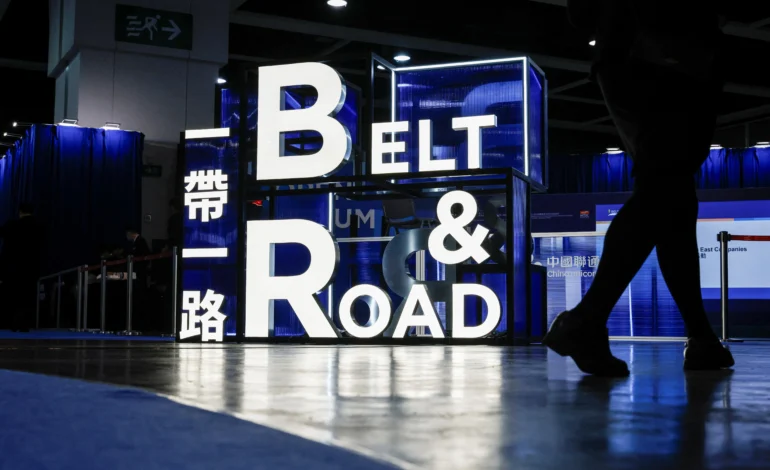
China’s Belt and Road Initiative (BRI) is entering its third phase, known as Belt and Road 3.0, focusing on digitalization, green technology, and modular financial systems.
Unlike earlier stages that emphasized large-scale construction, this new phase prioritizes intelligent infrastructure supported by cloud computing, artificial intelligence, and transparent financing mechanisms.
According to the National Development and Reform Commission (NDRC), over 150 partner countries are now involved in projects that combine logistics, digital trade, and smart governance.
This evolution reflects China’s strategic vision of building a digitally interconnected world economy that aligns technology, sustainability, and finance within a single development framework.
From Physical to Digital Corridors
The core concept of Belt and Road 3.0 is the shift from traditional infrastructure to smart corridors.
These are transport and logistics routes enhanced by digital sensors, data-sharing systems, and predictive analytics.
Railways, ports, and highways are now integrated with cloud platforms that monitor cargo flow, environmental conditions, and financial transactions in real time.
For example, the China–Pakistan Economic Corridor (CPEC) and China–Central Asia Logistics Network have deployed intelligent data hubs that optimize trade efficiency while reducing carbon emissions.
This data-driven model transforms infrastructure into an adaptive system capable of responding to economic and environmental variables dynamically.
Cloud Finance and Transparent Development
A major innovation of Belt and Road 3.0 lies in the integration of cloud finance, where digital tools manage project funding, execution, and auditing.
Cloud-based systems allow development banks and investors to track capital movement with complete transparency.
Each project milestone can be verified digitally, ensuring that funds are disbursed only when contractual conditions are met.
This programmable financing model minimizes corruption risks and builds confidence among international investors.
In parallel, financial institutions are adopting AI-powered analytics to monitor project performance, energy use, and environmental impact.
The combination of digital oversight and financial accountability makes Belt and Road 3.0 a blueprint for responsible global development.
Modular Cooperation and Policy Coordination
The success of Belt and Road 3.0 depends on modular cooperation, a flexible approach that allows partner countries to customize their participation.
Each nation can select the components most relevant to its development goals, such as smart ports, digital education networks, or fintech platforms.
This modular structure reduces entry barriers for smaller economies while ensuring interoperability across all participating systems.
To support coordination, China has established regional digital governance centers in Singapore, Dubai, and Nairobi.
These centers assist governments in adopting international standards for data sharing, digital trade, and financial transparency.
By combining infrastructure and technology policy within a unified framework, Belt and Road 3.0 fosters inclusive and sustainable growth.
Green Technology and Sustainable Innovation
Environmental responsibility is another key pillar of Belt and Road 3.0.
Projects are now evaluated using carbon tracking systems that measure emissions and promote the adoption of renewable energy solutions.
Chinese enterprises involved in energy, transport, and manufacturing are investing in smart grids, electric logistics, and green building materials.
Digital energy management tools provide continuous monitoring, enabling partners to meet sustainability targets under the Paris Agreement.
This integration of environmental and technological goals positions Belt and Road 3.0 as a model for sustainable globalization that balances growth with ecological responsibility.
Global Response and Strategic Outlook
International reception to Belt and Road 3.0 has been increasingly positive, particularly among developing economies seeking digital capacity building.
The focus on modular finance and transparent project governance has improved perceptions of accountability and inclusivity.
Multilateral institutions, including the Asian Infrastructure Investment Bank (AIIB), are aligning their funding programs with BRI’s digital and green objectives.
Observers note that the initiative’s success will depend on consistent policy coordination and continued innovation in data governance.
As global trade and technology continue to merge, Belt and Road 3.0 could redefine how countries collaborate on infrastructure and finance.
Conclusion
Belt and Road 3.0 represents a transformation from physical connectivity to intelligent cooperation.
By combining smart corridors, cloud finance, and modular governance, China is building a digital ecosystem that promotes efficiency, sustainability, and transparency.
This new phase of the initiative demonstrates that the future of global development lies not only in building roads and bridges but in creating shared digital frameworks that link economies through information, trust, and technology.
As the world shifts toward data-driven globalization, Belt and Road 3.0 stands as both a symbol and a strategy for how nations can grow together responsibly in the digital era.