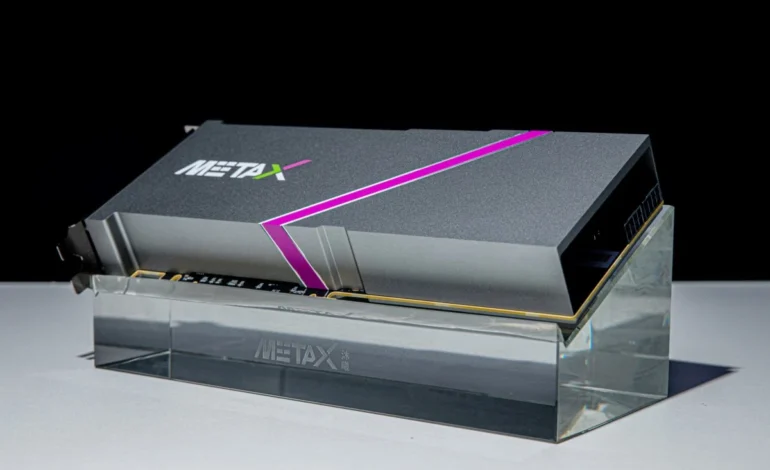
Biren Technology Cleared for Hong Kong Listing as China’s AI Chip Sector Gains Momentum

Biren Technology has received approval from Chinese regulators to proceed with its initial public offering in Hong Kong, marking a significant development for China’s fast growing artificial intelligence semiconductor industry. The green light was disclosed in a filing released by the China Securities Regulatory Commission, confirming that the Beijing based watchdog has authorized the company to list on the Hong Kong stock exchange. The move places Biren on track to become the first domestic graphics processing unit developer to go public in the city, a milestone for China’s chip design ecosystem.
Investor Interest Drives a Listing Rush
The approval comes at a time when Chinese artificial intelligence chip companies are moving quickly to access public capital markets. Investor enthusiasm for semiconductor and AI related stocks has surged as demand for computing power continues to rise across industries such as cloud services, autonomous systems, and advanced data analytics. Hong Kong has emerged as an increasingly attractive venue for these listings, offering access to global capital while remaining closely connected to mainland regulatory frameworks.
Biren’s Role in China’s Chip Ambitions
Founded in 2019, Biren Technology focuses on designing high performance graphics processing units aimed at data centers and advanced computing applications. The company was co founded by Michael Zhang Wen, a Wall Street veteran with experience in global financial markets and technology investment. Biren’s products are positioned as domestic alternatives to foreign GPUs, aligning with China’s broader push to strengthen its semiconductor supply chain and reduce reliance on overseas technology.
What the Listing Could Mean for the Market
Biren has indicated plans to issue approximately 372 million shares in its Hong Kong offering, although it has not yet publicly disclosed its fundraising target. Reports from mainland China suggest the company could raise around 300 million US dollars through the listing. If achieved, this would provide Biren with substantial capital to support research, product development, and commercialization at a time when competition in the AI chip sector is intensifying.
Hong Kong’s Growing Role in Tech Financing
The decision to list in Hong Kong highlights the city’s evolving role as a fundraising hub for Chinese technology firms. While mainland exchanges remain important, Hong Kong offers greater exposure to international investors and more flexible listing structures. For regulators, supporting listings like Biren’s also signals confidence in the long term growth potential of domestic high technology companies, particularly in strategic sectors such as semiconductors.
Challenges Facing AI Chip Developers
Despite strong investor interest, AI chip firms face significant challenges. Developing competitive GPUs requires sustained investment, advanced manufacturing partnerships, and access to sophisticated software ecosystems. Global competition remains fierce, and geopolitical tensions continue to shape the technology landscape. Public listings provide capital, but they also bring greater scrutiny and pressure to deliver commercial results.
A Signal of Policy Support
Beijing’s approval of Biren’s Hong Kong IPO is widely viewed as a positive signal of policy support for domestic chip innovation. By allowing leading AI semiconductor firms to tap public markets, regulators appear to be encouraging scale, transparency, and long term growth. This approach aligns with broader industrial strategies aimed at strengthening China’s position in next generation computing technologies.
Looking Ahead
As Biren prepares to move forward with its listing, market watchers will be closely observing investor response and valuation outcomes. The company’s debut could set a precedent for other Chinese AI chip designers considering overseas listings. More broadly, the move reflects how capital markets, technology policy, and industrial ambition are increasingly intertwined as China seeks to build a resilient and competitive semiconductor sector.