BMW Recalls Nearly 148000 Vehicles in China Over Potential Starter Motor Fire Risk
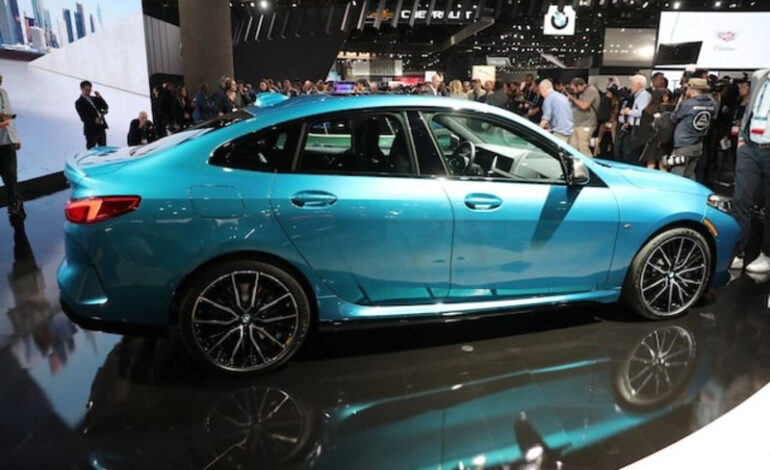
BMW will recall 147830 vehicles in China after regulators identified a manufacturing defect involving the starter motor that could increase the risk of fire in rare circumstances. China’s State Administration for Market Regulation announced the recall as part of its vehicle safety oversight program, which monitors defects that may pose safety risks to consumers. The issue could lead to difficulties starting the affected vehicles and in extreme cases may result in overheating that raises the possibility of a fire hazard. The recall highlights the strict regulatory scrutiny applied to vehicle safety in the Chinese automotive market.
The recall applies to several BMW models imported into China that were manufactured between July 31 2020 and December 22 2022. Vehicles included in the recall range from luxury sedans to sport utility models and sports cars. The affected lineup includes certain versions of the BMW 2 Series, 4 Series, 5 Series, 6 Series and 7 Series as well as the X4, X5 and X6 sport utility vehicles and the Z4 sports roadster. Regulators said the defect is linked to a manufacturing issue in the starter motor component that could create abnormal electrical conditions under certain circumstances.
Authorities said the potential malfunction may cause difficulties when drivers attempt to start their vehicles. In some cases the defect could lead to overheating within the starter motor system, increasing the risk of fire if the issue remains unaddressed. Although such incidents are considered rare, regulators require manufacturers to issue recalls whenever defects have the potential to affect vehicle safety. Owners of affected vehicles will be notified by BMW and advised to bring their cars to authorized service centers where technicians will inspect and repair the problem without cost.
The recall in China forms part of a broader global safety action announced earlier by the German automaker after engineers discovered the possible defect in the starter motor system. BMW previously indicated that several hundred thousand vehicles worldwide could be affected by the issue, prompting the company to initiate inspections and repairs across multiple markets. Automakers frequently coordinate with regulators in different countries to ensure safety problems are addressed consistently wherever the affected vehicles were sold.
China has one of the world’s largest automotive markets and maintains strict oversight of vehicle safety standards. The State Administration for Market Regulation regularly publishes recall notices and requires manufacturers to provide corrective measures when defects are discovered. The recall system is designed to ensure that potential risks are identified quickly and resolved before they lead to serious safety incidents. As vehicle technology becomes more complex, regulators have expanded monitoring programs covering both mechanical components and advanced electronic systems.
For international car manufacturers operating in China, maintaining compliance with safety regulations is essential for protecting consumer trust and sustaining long term market presence. Global automakers including BMW rely heavily on China as a major sales market, particularly for premium vehicles. Recalls are therefore treated as critical quality management processes that allow companies to correct technical issues while maintaining transparency with regulators and customers.
Vehicle recalls are a common part of the automotive industry as manufacturers continuously monitor performance data and investigate potential technical problems that emerge after vehicles enter the market. Safety campaigns often involve replacing defective components, updating software systems or improving manufacturing processes to prevent future issues. While recalls can temporarily affect brand perception, they are also viewed as an important mechanism for ensuring product safety and maintaining regulatory compliance.
BMW said affected vehicle owners in China will receive notifications through official channels and will be able to schedule service appointments at authorized dealerships. Technicians will examine the starter motor system and perform necessary repairs or replacements to eliminate the risk associated with the manufacturing defect. The recall is expected to proceed gradually as dealerships coordinate inspection and repair schedules across the country.