Breakthrough in sodium-ion batteries could usher in new era of prosperity for the Global South
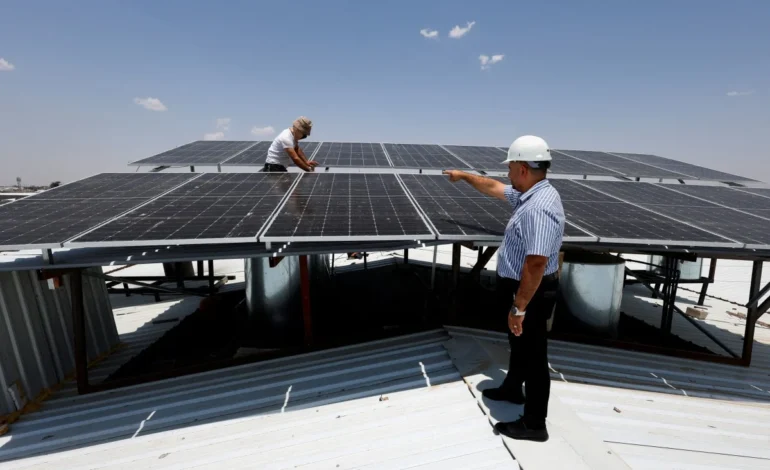
A major shift in global energy technology is taking shape, and many analysts believe it could help narrow long-standing inequalities between developed and developing nations. The rapid progress in sodium-ion battery technology is being described as the missing link needed to make clean, affordable, and widely accessible energy a reality for communities across the Global South.
Renewable energy has long been viewed as the transformative innovation of the modern age. Solar and wind technologies have already lowered barriers to clean power, yet the challenge of storing energy safely, cheaply and reliably has remained a central obstacle. Sodium ion batteries are increasingly seen as the breakthrough that can complete this transition, offering an alternative to lithium based batteries that is both cost effective and resilient.
China’s leading battery manufacturer CATL is preparing to mass produce a new generation of sodium ion batteries that promises performance levels suitable for large scale use. According to information shared by industry sources, the technology can reportedly withstand more than ten thousand charge cycles, operate in temperatures ranging from minus forty to seventy degrees Celsius and deliver an energy density of about 175 watt hours per kilogram. The company also claims that the battery is among the safest ever designed. Competitors in China and abroad are expected to follow quickly with similar advancements, helping drive down prices and broaden availability.
Lithium ion batteries made with nickel, cobalt and manganese first made electric vehicles practical, offering high power and improved range. Later, lithium iron phosphate batteries reduced costs further and significantly improved safety. Sodium ion batteries are now emerging as the next major evolution, with the potential to cut costs even more dramatically. One major advantage is that sodium is abundant in nature and widely accessible, unlike lithium and cobalt which are concentrated in a few regions and subject to geopolitical constraints.
The implications for developing nations are significant. The widespread availability of sodium based materials means that countries across Asia, Africa and Latin America could build and expand their energy storage capacity without the financial and supply chain pressures associated with lithium. Longer battery lifespans and improved safety also make the technology well suited for village level microgrids, distributed solar installations and rural electrification efforts.
Experts say these features could accelerate economic growth, reduce energy poverty and support local industries that rely on stable electricity. Affordable storage would enable communities to power homes, schools, clinics and small businesses more reliably, while also creating opportunities for new industries and green jobs.
As companies race to refine and commercialize sodium ion technology, observers believe the coming years could mark a turning point for global energy access. If the technology scales as expected, it could help level the playing field between developed economies and emerging markets, positioning the Global South for a more prosperous and sustainable future.