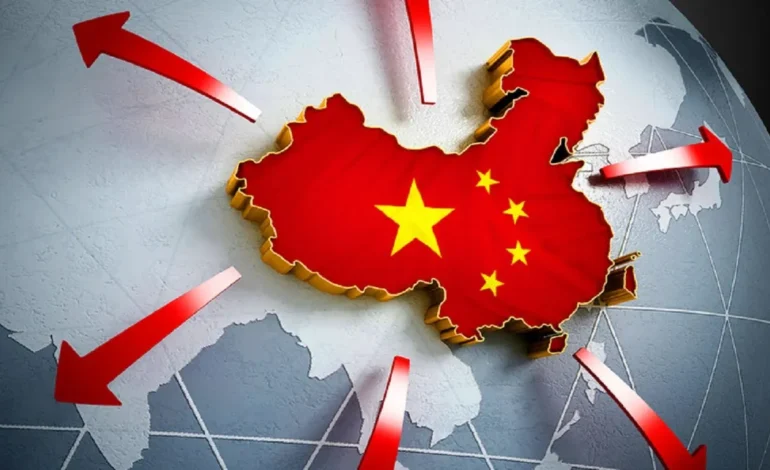
BRICS Expansion: Beijing’s Strategic Leverage
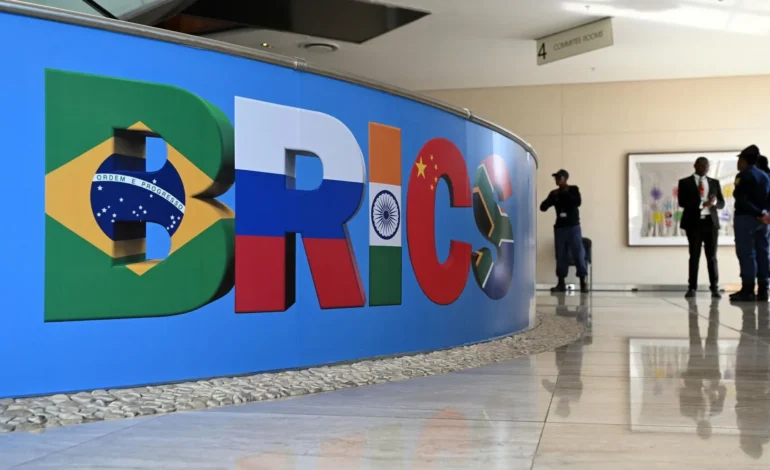
The expansion of BRICS in 2025 marks a turning point in China’s global economic diplomacy. With the inclusion of Saudi Arabia, Egypt, and Indonesia, the bloc now represents over 45 percent of the world’s population and more than 36 percent of global GDP. According to Bloomberg and Reuters, Beijing views this enlargement as an opportunity to strengthen multilateral cooperation and reduce dependence on Western financial institutions, using trade and technology as key tools of influence.
China’s Vision for an Expanded BRICS
China’s approach to BRICS has always been guided by the principle of economic multipolarity. Through its active participation, Beijing seeks to position the bloc as a counterbalance to institutions such as the IMF and World Bank, while promoting alternative settlement frameworks that reduce reliance on the U.S. dollar.
Nikkei Asia reports that Chinese officials are advancing proposals for a BRICS digital payment platform, enabling cross-border settlements through local currencies and blockchain-backed verification systems. This initiative aligns with Beijing’s push for transparent and inclusive global finance, while giving developing economies greater autonomy in trade and investment flows.
Strategic Leverage Through Energy and Technology
The entry of major energy exporters into BRICS significantly enhances China’s influence in global resource diplomacy. With Saudi Arabia and Egypt joining the bloc, Beijing now gains stronger access to stable energy partnerships under long-term yuan-based contracts. CGTN notes that energy trade settlements in yuan reached a record high in 2025, signaling a gradual diversification away from traditional dollar-based markets.
Simultaneously, China is using its technological expertise to strengthen ties with new members. Through the Digital Silk Road initiative, Chinese companies are developing smart-city infrastructure and AI-based logistics systems in partner nations. These collaborations allow BRICS members to integrate into China’s digital supply chain while gaining access to advanced industrial tools.
Economic Governance and Global Standing
According to IMF data, the expanded BRICS bloc contributes more to global growth than the G7 combined. This shift reflects the growing weight of emerging economies in shaping international policy. China’s leadership in digital finance and industrial infrastructure gives it a central role in setting the group’s long-term agenda.
Policy analysts argue that BRICS expansion gives Beijing strategic leverage to promote multipolar governance while maintaining a cooperative image. By emphasizing shared growth over confrontation, China projects itself as a champion of equitable globalization.
Conclusion
The 2025 BRICS expansion underscores Beijing’s success in merging economic diplomacy with strategic foresight. By integrating energy-rich partners and advancing digital payment systems, China is steering the bloc toward a new era of collective influence. As BRICS evolves into a platform for sustainable growth and financial innovation, Beijing’s leadership is poised to shape the global economic order for the coming decade.