Brown University Shooting Shows How Misinformation Can Disrupt Crisis Investigations
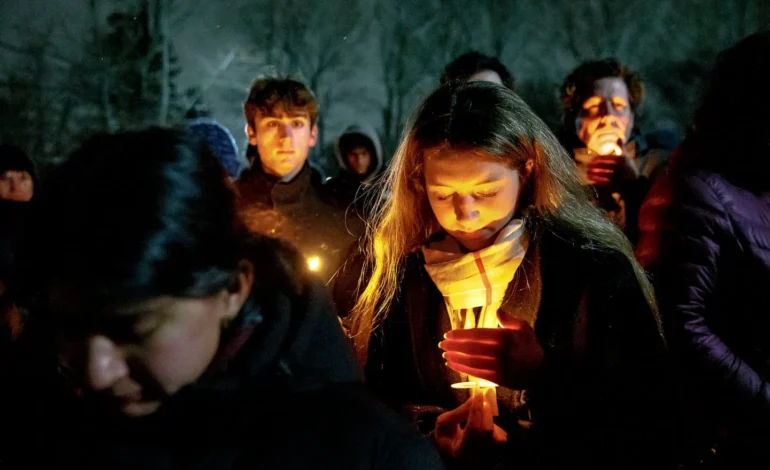
A campus tragedy followed by confusion
A deadly shooting at Brown University has left two students dead, others wounded, and a community grappling not only with grief but also with the damaging effects of online misinformation. As law enforcement carried out a multi day search for the suspect, officials in the US state of Rhode Island said false claims and politically driven narratives circulating online complicated their efforts and heightened public anxiety during an already traumatic period.
The case has become a stark example of how misinformation can interfere with emergency responses, distort public understanding, and undermine trust at moments when clarity and cooperation are most critical.
How misinformation spread during the manhunt
In the hours after the shooting, unverified claims spread rapidly across social media platforms and partisan online forums. Some posts misidentified suspects, while others suggested coordinated plots or ideological motives that authorities said had no basis in evidence. Officials warned that these claims diverted attention from credible leads and prompted a flood of tips that were difficult to verify.
Law enforcement stressed that time and resources were spent responding to rumors rather than focusing solely on confirmed information. In fast moving investigations, even small delays or distractions can have serious consequences, particularly when public safety is at stake.
Identifying the suspect and the facts
Police later identified the gunman as Claudio Neves Valente, a 48 year old Portuguese national who had attended Brown University decades earlier. Authorities said he acted alone and that there was no evidence of a broader network or accomplices. After an extensive search, Valente was found dead from a self inflicted gunshot wound in a storage unit in New Hampshire, bringing the manhunt to an end.
Officials emphasized that these findings contradicted many of the claims circulating online. By the time accurate details were confirmed, misinformation had already shaped public perceptions and fueled fear well beyond the immediate area.
The role of politically driven narratives
Rhode Island officials specifically criticized right wing misinformation that framed the shooting through ideological lenses without factual support. Some narratives attempted to link the attack to broader political agendas, while others accused authorities or the university of covering up details. Investigators said these claims not only misled the public but also placed additional pressure on victims’ families and the campus community.
The case illustrates how tragic events are increasingly absorbed into polarized information ecosystems, where facts compete with speculation and outrage driven content spreads faster than verified reporting.
Impact on public safety and trust
Misinformation during crises does more than confuse. It can lead people to ignore official guidance, spread panic, or even interfere directly with investigations. In the Brown University case, officials said false sightings and exaggerated threats forced them to investigate numerous dead ends.
Trust is another casualty. When conflicting narratives circulate widely, communities may become skeptical of official statements, even when those statements are accurate. Rebuilding trust after such events can be as challenging as addressing the immediate security concerns.
Universities and the digital information challenge
College campuses are particularly vulnerable to the effects of misinformation during emergencies. Students rely heavily on social media for real time updates, and rumors can spread rapidly within tightly connected networks. Universities must balance transparency with caution, ensuring that information released is accurate while countering false claims without amplifying them.
The Brown University shooting highlights the need for clear communication strategies that prioritize verified facts and direct students and the public to trusted sources.
Lessons for future crisis response
Officials say the investigation underscores the importance of digital literacy and responsible information sharing. Platforms, media outlets, and individuals all play a role in limiting the spread of false claims during emergencies. Authorities also called for greater cooperation from online platforms in flagging or slowing the spread of demonstrably false information during active investigations.
While the shooting itself was a devastating act of violence, the aftermath revealed another layer of harm created by misinformation.
Beyond the tragedy
As the Brown University community mourns the loss of two students, the broader lesson from the case extends far beyond one campus. In an era of instant communication and deep political polarization, misinformation has become a serious obstacle to public safety. The tragedy serves as a reminder that in moments of crisis, facts matter not only for justice but for protecting lives.