Businesses See Tactical Truce Emerging in China US Trade Tensions as Companies Adjust Strategies
Companies operating in southern China are showing cautious optimism that relations between China and the United States may stabilize in the near term even as long term geopolitical competition continues. A recent business survey indicates that firms increasingly believe the two economic powers could enter a period of tactical stability in trade relations that slows the pace of economic decoupling. While tensions remain a defining feature of the relationship, companies appear to be adjusting their investment and supply chain strategies based on expectations that the economic rivalry will evolve rather than escalate dramatically in the immediate future.
The outlook was highlighted in a survey conducted among hundreds of companies operating in the region that assessed expectations for the coming year. The findings show that a growing number of businesses are cautiously reinvesting in China despite the complex geopolitical environment. Respondents indicated that while competition between the two economies remains intense, the overall business environment may become more predictable as governments manage disagreements through negotiation and dialogue. The survey reflects broader corporate sentiment that trade and investment flows between the two countries will continue in sectors considered less sensitive from a national security perspective.
According to the survey results a notable share of companies now express a positive outlook toward future China US relations compared with previous years. Business leaders believe that continuing diplomatic engagement between the two governments could help maintain a degree of economic cooperation even as strategic competition persists. Analysts describe this phase as a tactical truce in which both sides slow the pace of economic separation without fully reversing policies designed to reduce dependence on each other’s industries. Such a scenario could allow companies to maintain cross border operations while gradually adapting to a more fragmented global trading system.
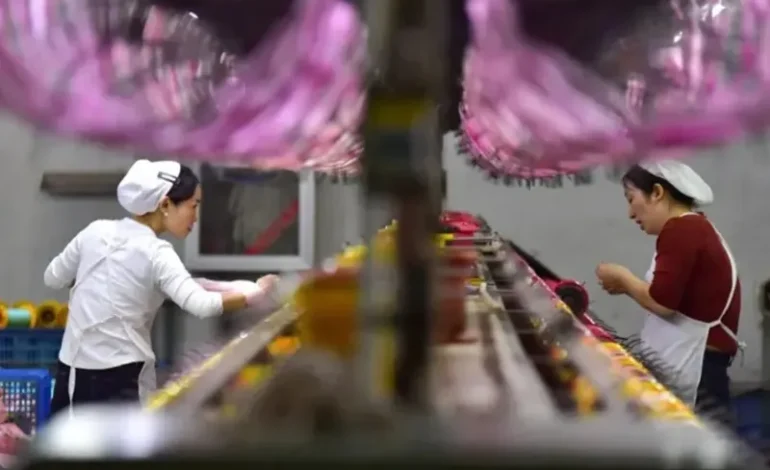
Business representatives also highlighted changes in China’s manufacturing structure as the country adjusts to evolving global demand patterns. Instead of focusing mainly on assembling products designed by Western companies, Chinese manufacturers are increasingly producing industrial components and intermediate goods for emerging markets across Asia Africa and Latin America. This shift reflects the broader transformation of China’s industrial base as domestic companies move higher up global supply chains. Analysts say the change could help Chinese exporters maintain international competitiveness even as geopolitical tensions reshape traditional trade routes.
The survey included responses from more than four hundred companies representing a diverse mix of industries and geographic backgrounds. A significant portion of participants came from the United States while others represented mainland China Europe Hong Kong Macau and several additional regions. The broad composition of the respondents provides insight into how multinational companies operating in China view the future of bilateral relations. Many firms indicated that while tensions could intensify in certain sectors the overall impact on day to day business activity may be less severe than previously expected.
The survey results also come ahead of a potential high level diplomatic visit that could influence the direction of economic engagement between the two countries. Plans have been discussed for a visit by United States President Donald Trump to China later this year which would mark the first trip by an American leader to the country in nearly a decade if it proceeds as expected. Business leaders are closely watching the potential meeting as it may shape trade discussions and signal how both governments intend to manage the next phase of economic competition.
Despite signs of cautious optimism many companies still anticipate periods of friction in the relationship. Trade policies technology restrictions and supply chain realignments continue to influence strategic planning for multinational firms. Businesses have increasingly diversified their operations across multiple markets in order to reduce exposure to geopolitical risk. At the same time China remains a critical market for manufacturing and consumer demand which means many companies continue to maintain a strong presence in the country.
Industry observers say the concept of a tactical truce reflects a broader recognition that complete economic separation between the world’s two largest economies would be extremely difficult to achieve. Trade volumes remain significant and supply chains across technology manufacturing and consumer industries are deeply interconnected. As a result governments and businesses alike may seek ways to manage competition while preserving areas of economic cooperation that support global commerce.