BYD and Geely Compete for Mexico Auto Plant as China Eyes Latin American Expansion
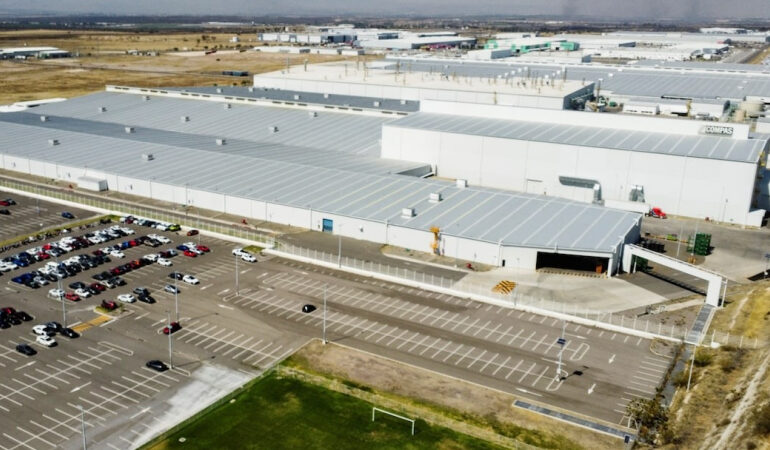
Chinese automakers are intensifying efforts to secure a manufacturing foothold in Mexico, with BYD and Geely emerging as finalists to acquire a shuttered Nissan Mercedes Benz joint venture plant in Aguascalientes, according to sources familiar with the matter. The move signals a potential shift in Mexico’s automotive landscape at a time when U.S. tariffs are reshaping trade flows across North America.
The factory, known as the Cooperation Manufacturing Plant Aguascalientes, has an annual production capacity of 230,000 vehicles and has been operated by Nissan and Mercedes Benz. Its closure reflects broader restructuring by global automakers amid weakening U.S. demand and higher trade barriers. For Chinese firms, however, the facility presents an opportunity to expand production closer to key Latin American markets.
Sources say nine companies initially expressed interest in the plant, including other Chinese manufacturers such as Chery and Great Wall Motor, as well as Vietnam’s VinFast. The finalists are focused largely on hybrid and electric vehicle production aimed at serving Mexico and broader regional markets rather than exporting directly to the United States.
Mexico has traditionally been dominated by U.S., European and Japanese automakers that built vehicles primarily for export north of the border. In 2024, U.S. buyers accounted for 2.8 million of the 4 million passenger vehicles produced in Mexico, according to the Mexican Automotive Industry Association. However, the introduction of 25 percent U.S. tariffs on Mexican made cars has weighed on exports and contributed to job losses in the sector.
Chinese automakers see strategic value in Mexico as a gateway to Latin America. Collective market share for Chinese brands in Mexico has climbed from near zero in 2020 to roughly 10 percent last year, according to industry estimates. Both BYD and Geely reported global vehicle sales exceeding 4 million units in the past year, reflecting the rapid growth of China’s automotive industry.
Mexico’s government faces a delicate balancing act. While foreign investment could generate employment and revitalize underused industrial assets, officials are mindful of U.S. concerns that Chinese manufacturing in Mexico could complicate ongoing North American trade negotiations. Mexico imposed 50 percent tariffs on Chinese vehicles last year, a move widely viewed as an effort to ease tensions with Washington, yet those tariffs also encourage Chinese firms to produce locally rather than export directly.
Industry observers note that acquiring an existing plant allows automakers to bypass lengthy approval processes required for greenfield projects. The Aguascalientes facility offers established infrastructure, trained workers and logistics networks, making it an attractive option for rapid market entry.
As global supply chains adjust to shifting trade policies, the outcome of the bidding process could mark a significant turning point for Mexico’s auto industry and for China’s expanding footprint in the Western Hemisphere.