Canada and South Korea Strengthen Arctic Cooperation Amid Rising Global Competition
Canada and South Korea are expanding their strategic cooperation in the Arctic as both countries seek to position themselves between growing geopolitical competition involving major powers. Analysts say the partnership represents a coordinated effort by middle powers to maintain influence in a region that is rapidly gaining global importance due to climate change and shifting trade routes. The agreement highlights how nations outside the traditional Arctic powers are increasingly shaping security and economic dynamics in the far north as melting sea ice opens new opportunities and strategic challenges.
The defence cooperation agreement between Canada and South Korea was formalized during a joint meeting of foreign and defence ministers held in February. The discussions focused on expanding security collaboration and strengthening defence coordination in response to evolving global risks. Officials from both countries emphasized the importance of maintaining stability in regions where geopolitical tensions and environmental changes are creating new strategic realities. The partnership reflects a broader effort to coordinate policies and capabilities among like minded countries facing complex security challenges.
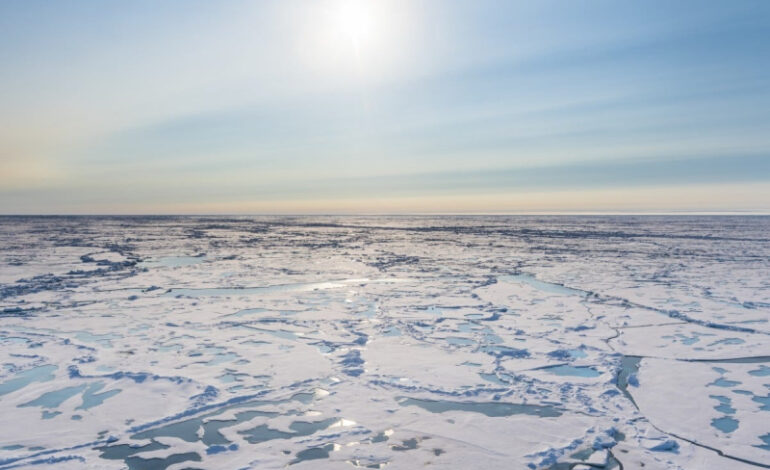
The Arctic has become increasingly important in global geopolitics as melting sea ice continues to transform the region’s economic and strategic landscape. Scientists say climate change is gradually opening new shipping routes that could significantly shorten travel times between Asia Pacific markets and Europe. These emerging sea lanes have the potential to reshape international trade by providing alternative routes for cargo transportation while reducing reliance on traditional shipping corridors.
Growing access to the Arctic has also intensified interest from major powers seeking to secure economic and security advantages in the region. Russia has expanded its Arctic infrastructure and military presence in recent years while China has expressed interest in developing polar trade routes and research partnerships. At the same time the United States has encouraged allies to increase defence cooperation and share more responsibility for maintaining regional security. These developments have prompted countries such as Canada and South Korea to strengthen their coordination and explore new security partnerships.
Experts say the collaboration between Ottawa and Seoul reflects the increasing role of middle powers in shaping global security dynamics. Rather than aligning exclusively with one major power, countries like Canada and South Korea often pursue flexible strategies that allow them to maintain cooperation with multiple partners. By working together in areas such as defence technology, maritime monitoring and Arctic research, the two nations aim to protect their interests while contributing to regional stability.
In addition to security concerns, the Arctic also presents significant economic opportunities. The region is believed to hold large reserves of natural resources including oil, natural gas and rare minerals. As technological advances make exploration more feasible, governments and companies are paying closer attention to the region’s potential. At the same time environmental considerations remain central to policy discussions as fragile Arctic ecosystems face growing pressure from climate change and increased human activity.
The evolving Arctic landscape is therefore becoming a focal point for international diplomacy and strategic planning. Countries that previously had limited involvement in the region are now expanding their engagement through research partnerships, defence cooperation and economic initiatives. Canada and South Korea’s growing collaboration illustrates how middle powers are seeking to shape the future of Arctic governance while navigating a complex geopolitical environment influenced by both competition and cooperation.