Canada’s EV Policy Shift Creates Opening for China-Built Tesla Models
Canada’s decision to ease restrictions on Chinese made electric vehicles is reshaping competitive dynamics in its automotive market, creating an early advantage for manufacturers already integrated into cross border supply chains. Under a newly announced framework, Ottawa will allow a capped number of EV imports from China at sharply reduced tariff rates, reversing a policy that had effectively shut the door on such vehicles. The move reflects a recalibration of trade and industrial priorities as Canada seeks to balance domestic manufacturing goals with consumer affordability and supply diversification. While the policy is not a full reopening, it represents a meaningful shift that could alter sourcing strategies for global automakers with production footprints in China. The change also underscores how the EV trade is becoming increasingly entangled with broader geopolitical and economic negotiations in North America.
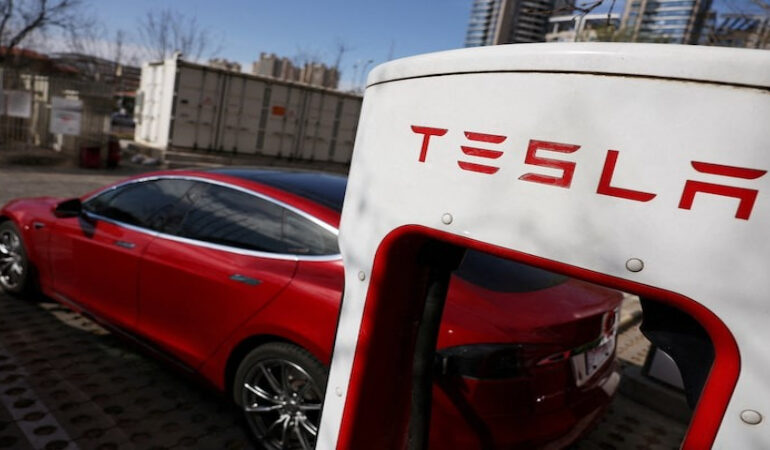
Among potential beneficiaries, Tesla is widely viewed as well positioned due to preparations made well before the policy shift. The company had previously configured its Shanghai facility to produce Canada specific versions of certain models and began exporting vehicles to the Canadian market before the imposition of steep tariffs. Those exports were halted when Canada moved to counter what it described as overcapacity concerns linked to China’s auto sector. With tariffs now lowered under a quota system, analysts say Tesla could quickly resume shipments from China, particularly for models where Chinese production offers cost advantages. Its established retail and service network across Canada further reduces barriers to scaling sales compared with new entrants.
The revised framework allows a defined annual volume of vehicles to enter Canada at standard most favoured nation tariff levels, with scope for gradual expansion over several years. However, pricing conditions embedded in the agreement introduce complexity, as a portion of the quota is reserved for lower priced vehicles. This could limit immediate upside for premium models while leaving room for competitively priced offerings built in China. Even so, the policy change reopens a channel that many automakers had assumed would remain closed. It also provides a testing ground for how Chinese linked production can coexist with North American trade rules without triggering the political backlash seen in other jurisdictions.
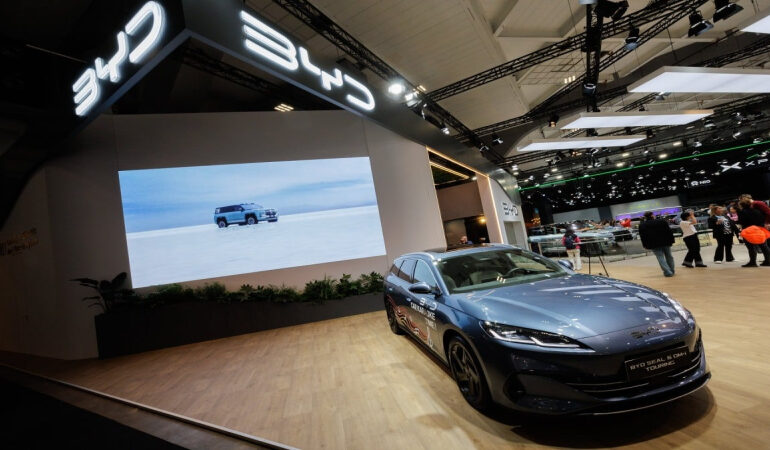
Beyond Tesla, the shift carries implications for Chinese automakers seeking overseas expansion. Canada offers a relatively open consumer market with a growing EV adoption rate and a sizable population familiar with Chinese brands. Policymakers have signaled interest in partnerships and investment that could localize elements of production over time, blending Chinese manufacturing expertise with Canadian industrial objectives. At the same time, the move has drawn criticism from US officials wary of indirect exposure to China built vehicles within the North American market. As implementation unfolds, Canada’s approach may become a reference point for how mid sized economies navigate EV trade amid intensifying global competition.