




China’s AI Cloud Revolution: How Alibaba and Tencent Compete for Global Clients

China’s cloud computing sector is undergoing a powerful transformation, driven by rapid advances in artificial intelligence (AI) and a national push for digital self-reliance. Alibaba Cloud and Tencent Cloud, the country’s two biggest players, are no longer focused solely on domestic dominance. Both

The Next Leap: China’s AI Export Strategy in Southeast Asia

China’s artificial intelligence industry is entering a new phase of global expansion, with Southeast Asia emerging as its most strategic export destination. As Chinese companies like Alibaba Cloud, Tencent, Baidu, Huawei, and SenseTime scale their AI and data solutions abroad, the region’s digital

China’s AI Cloud Battle: Alibaba, Tencent, and Baidu Compete for Global Clients

China’s cloud giants Alibaba Cloud, Tencent Cloud, and Baidu AI Cloud are turning domestic dominance into global expansion. What began as a homegrown race to digitalize China’s economy has evolved into a strategic contest for international clients. Each company is leveraging artificial intelligence,

China Expands Robotics Applications Across Industries

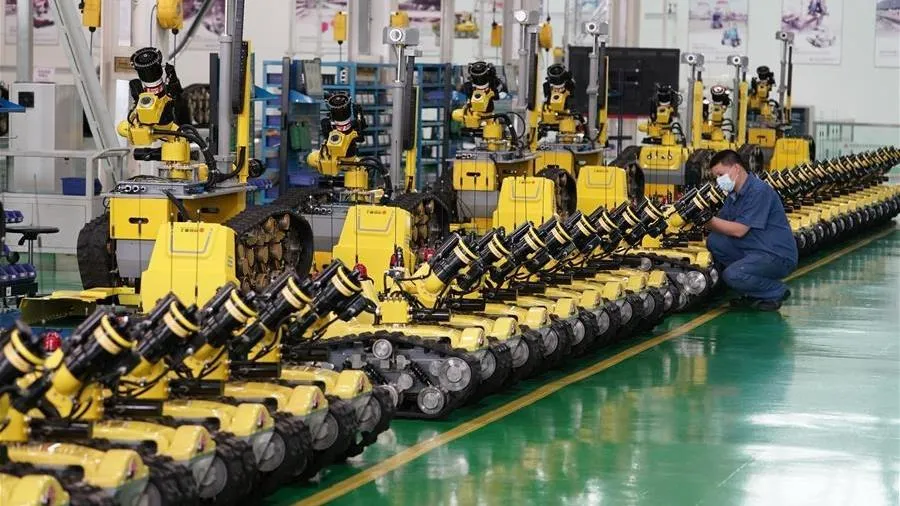
China’s robotics sector continues to expand at a rapid pace, driven by innovation in industrial automation, logistics, and service robots. Government-backed initiatives and private enterprise investments are accelerating the adoption of AI-driven robotics in manufacturing plants, warehouses, hospitals, and retail operations. Analysts note

The Rise of Model Compression: Making China’s LLMs Energy Efficient

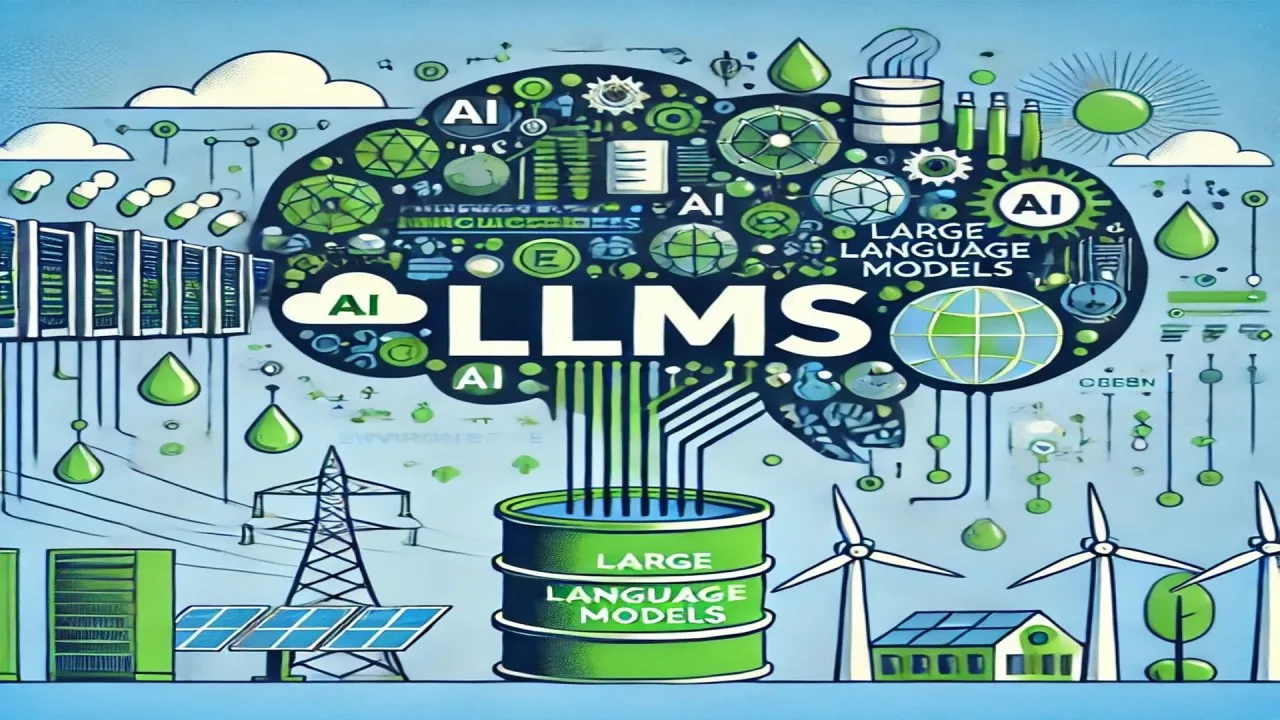
Tackling the Scale Problem As China’s artificial intelligence industry grows, so does its appetite for computing power. Training large language models has become one of the most energy-intensive processes in technology. Chinese firms are now focusing on model compression, a field that reduces

China’s Cloud AI Boom: How Alibaba and Tencent Compete for Global Clients

AI as the Core of China’s Digital Strategy China’s tech giants are redefining the competitive landscape of artificial intelligence through large-scale cloud platforms that now anchor the nation’s global digital expansion. Alibaba Cloud and Tencent Cloud, long seen as domestic rivals, have evolved

Implications of Open vs Closed AI Models for Industry Adoption

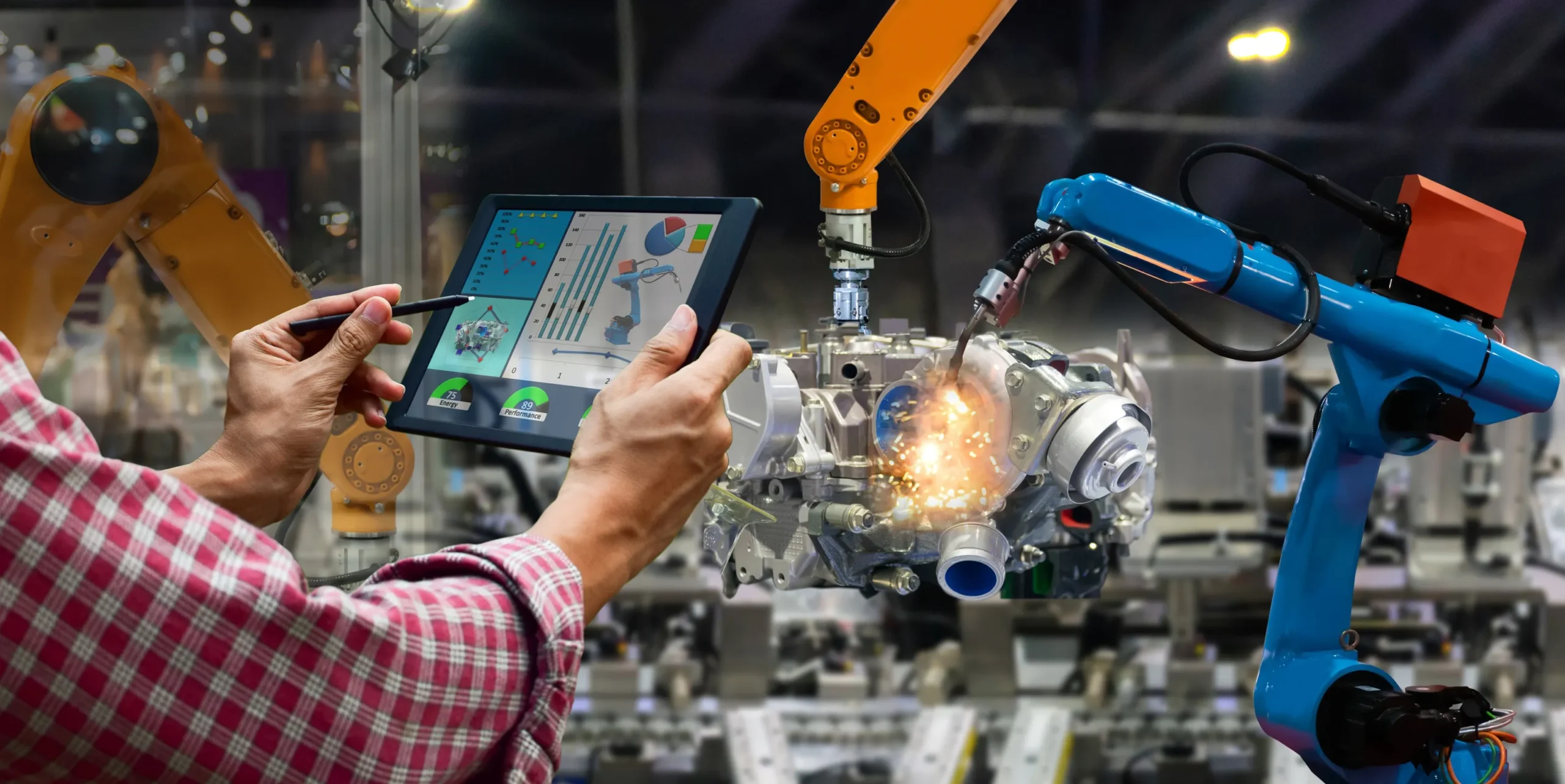
China’s industrial sector is increasingly adopting artificial intelligence (AI) to enhance operational efficiency, supply chain management, and innovation. A critical consideration for enterprises is whether to implement open-source AI models or closed, proprietary systems. Each approach has distinct advantages, challenges, and strategic implications

Hybrid AI Approaches in China’s Tech Startups

Chinese tech startups are increasingly adopting hybrid AI approaches, combining open-source frameworks with proprietary enhancements to balance innovation, scalability, and intellectual property protection. This strategy allows startups to leverage the collaborative benefits of open AI models while maintaining competitive advantage through proprietary optimizations.

Closed AI Models: Protecting IP vs. Limiting Innovation

China’s AI ecosystem is witnessing the widespread adoption of closed, proprietary AI models developed by leading technology companies. These models prioritize intellectual property protection, commercial advantage, and enterprise-specific optimization. While closed AI models ensure data security, model integrity, and revenue generation, they may

The Rise of Open AI Collaboration in Chinese Universities

Chinese universities are increasingly embracing open artificial intelligence (AI) collaboration, creating ecosystems that foster innovation, knowledge sharing, and rapid technological advancement. Open AI initiatives enable students, researchers, and faculty to collaborate on model development, data sharing, and algorithmic research. By providing access to