





Comparing Open-Source and Proprietary AI Models in China

China’s artificial intelligence (AI) ecosystem is rapidly evolving, with both open-source and proprietary AI models driving innovation in industries, research, and public services. Open-source models, freely available for modification and distribution, foster collaboration, transparency, and rapid experimentation. Proprietary models, developed and controlled by

Balancing Innovation and Safety in AI Research Labs

China’s AI research labs are at the forefront of developing next-generation artificial intelligence technologies, spanning industrial automation, healthcare, fintech, and robotics. While innovation is essential to maintain global competitiveness, it must be balanced with safety to prevent unintended consequences, system failures, or ethical

Ethical AI in Chinese Fintech Platforms

Artificial intelligence (AI) is increasingly deployed in Chinese fintech platforms, transforming payments, lending, investment, and risk management. While AI enhances efficiency, accuracy, and customer experience, it also raises ethical concerns regarding fairness, transparency, privacy, and accountability. Ethical AI ensures that fintech systems operate

AI Safety Protocols in Healthcare Applications

The adoption of artificial intelligence (AI) in healthcare is transforming diagnosis, treatment, and patient management across China. AI systems assist in medical imaging, predictive analytics, robotic surgery, and telemedicine, offering higher efficiency, accuracy, and scalability. However, integrating AI in healthcare introduces unique safety

The Risks of Autonomous Decision-Making in Industrial AI Systems

Industrial sectors in China are increasingly deploying artificial intelligence (AI) systems capable of autonomous decision-making, optimizing manufacturing processes, logistics, and energy management. While these AI systems enhance efficiency, productivity, and predictive capabilities, they also introduce risks if not properly designed, monitored, and regulated.

Ensuring Responsible AI in China: Guidelines and Best Practices

Ensuring Responsible AI in China IntroductionChina has rapidly emerged as a global leader in artificial intelligence (AI) development, spanning industrial, healthcare, financial, and governmental applications. With this rapid growth comes the imperative to ensure responsible AI deployment. Responsible AI encompasses safety, fairness, transparency,

AI-Enabled Digital Finance Platforms: From Smart Payments to Blockchain Settlements

China is at the forefront of integrating artificial intelligence (AI) with digital finance platforms, transforming payments, banking, and blockchain-based settlements. AI-enabled systems automate transaction processing, enhance fraud detection, optimize risk management, and facilitate cross-border financial operations. These platforms empower enterprises, financial institutions, and

Cross-Border Cloud Infrastructure: China’s Data Networks in Belt & Road Nations

China is expanding its digital influence through cross-border cloud infrastructure, building robust data networks in Belt & Road Initiative (BRI) partner countries. These cloud systems support trade, industrial modernization, financial services, and governance, providing scalable computing power, data storage, and connectivity. By integrating

China’s Humanoid Robots: Innovation in Service, Healthcare, and Manufacturing

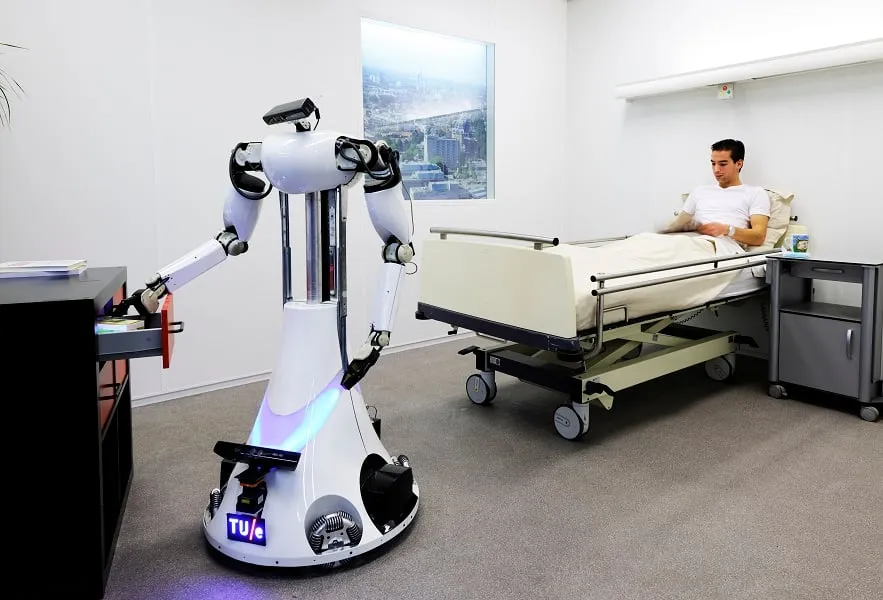
China is rapidly advancing humanoid robotics, integrating artificial intelligence (AI) and automation to enhance service industries, healthcare, and manufacturing. Humanoid robots, designed to mimic human movements and interactions, are being deployed to perform complex tasks, improve efficiency, and support labor-intensive operations. Driven by

Precision Agriculture in China: AI and Satellite Analytics Driving Crop Yields

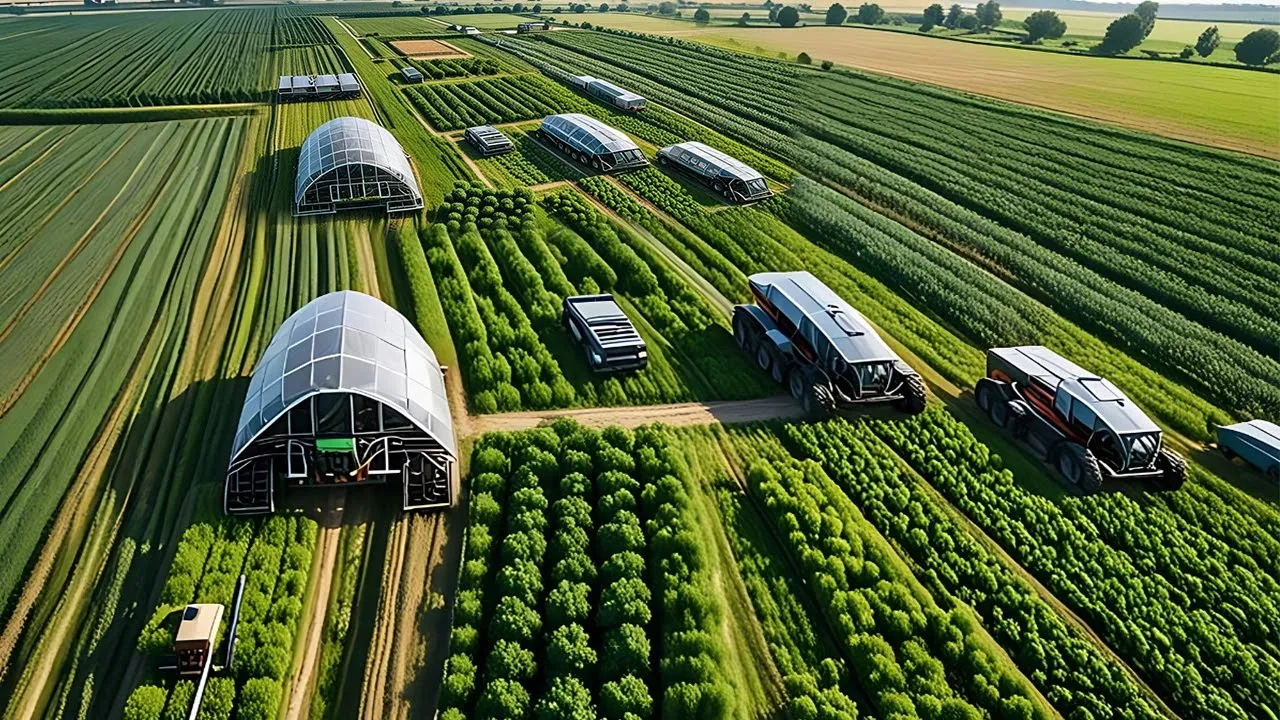
China is embracing precision agriculture by integrating artificial intelligence (AI) and satellite analytics to optimize crop production, improve resource efficiency, and strengthen food security. With a growing population and increasing demand for sustainable agricultural practices, AI-powered systems and remote sensing technologies provide farmers