






China-Pakistan Industrial Cooperation Updates

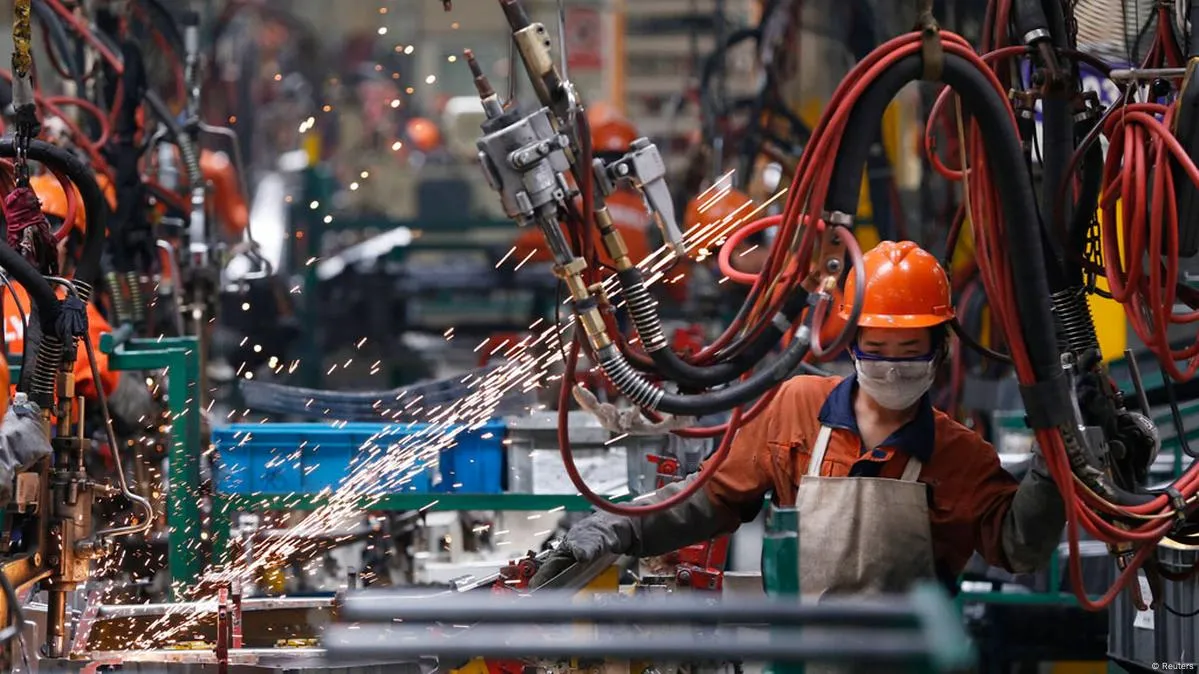
China-Pakistan industrial cooperation continues to deepen as both countries pursue strategic economic development through infrastructure, trade, and manufacturing initiatives. The China-Pakistan Economic Corridor (CPEC) has been the cornerstone of this collaboration, providing a framework for industrial parks, special economic zones, and joint ventures.

Data Privacy Laws and Their Effect on Tech Startups

China has increasingly focused on data privacy and cybersecurity as critical components of digital governance. New regulations, including the Personal Information Protection Law (PIPL) and Cybersecurity Law, aim to protect user data, regulate cross-border data flows, and ensure responsible handling of sensitive information.

Green Energy Mandates and Industrial Adaptation

China’s transition toward green energy is a central element of its environmental and industrial policy. Government mandates on renewable energy adoption, emissions reductions, and sustainable industrial practices are driving systemic changes across manufacturing, power generation, and infrastructure sectors. These policies aim to reduce

Regulating Fintech: Cross-Border and Domestic Implications

The fintech sector in China has grown rapidly over the past decade, revolutionizing payments, lending, insurance, and wealth management. This growth has created both opportunities and regulatory challenges, prompting the government to implement comprehensive fintech regulations. The regulatory framework aims to balance innovation

Semiconductor Self-Reliance Policies and Industry Effects

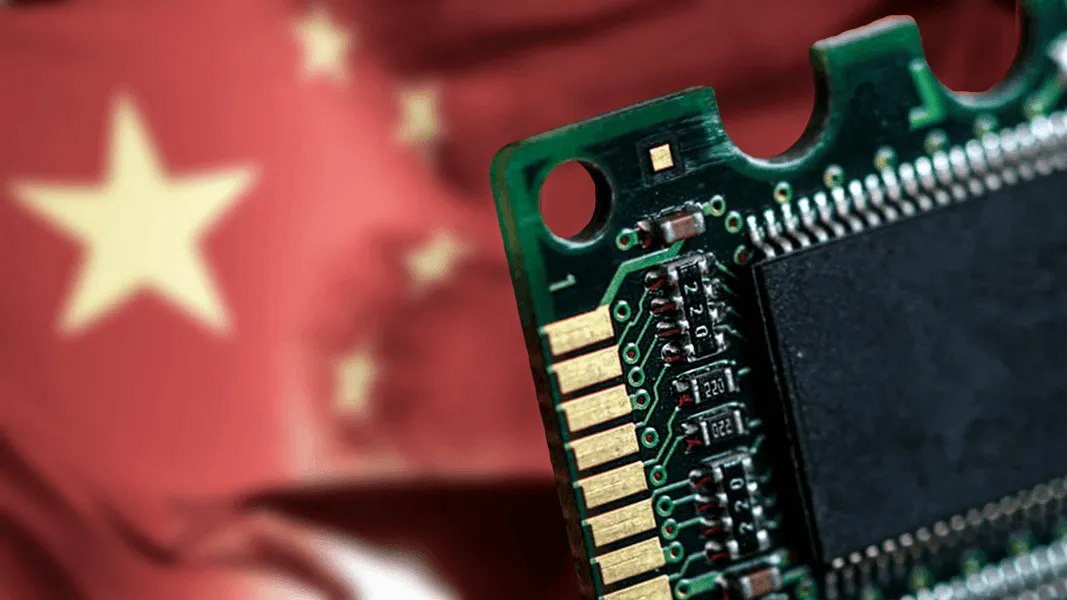
Semiconductors are a cornerstone of modern technology, underpinning sectors from consumer electronics and telecommunications to artificial intelligence and defense. Recognizing the strategic importance of chip production, China has implemented self-reliance policies aimed at strengthening domestic semiconductor manufacturing, reducing dependence on foreign suppliers, and

AI Governance Guidelines in China: Key Updates

Artificial Intelligence (AI) has become a strategic priority for China, with applications spanning finance, healthcare, education, and industrial automation. To ensure the safe, ethical, and responsible development of AI technologies, China has implemented comprehensive AI governance guidelines. These guidelines aim to balance innovation

Digital Sovereignty and Geopolitical Risks

Digital sovereignty has emerged as a critical consideration in global geopolitics. Countries are increasingly asserting control over data, digital infrastructure, and technological standards to safeguard national security, economic interests, and strategic autonomy. For China, the pursuit of digital sovereignty encompasses domestic control over

The Global Semiconductor Supply Chain and Chinese Policies

Semiconductors are at the heart of modern technology, powering devices from smartphones and computers to AI systems, autonomous vehicles, and defense applications. China’s policies regarding the semiconductor industry are reshaping global supply chains, influencing trade, technological innovation, and geopolitical dynamics. As both a

China’s Strategic Investments in Africa and Asia

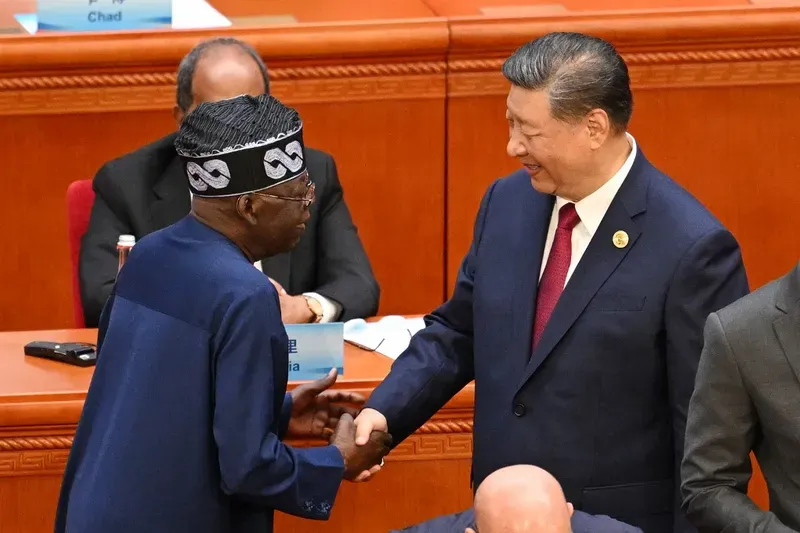
China’s strategic investments in Africa and Asia are reshaping regional economic landscapes, trade flows, and geopolitical alignments. Through infrastructure projects, industrial development, and financial partnerships, China is fostering economic growth while advancing its global influence. These investments, often linked to the Belt &

BRICS Collaboration in Tech and Finance

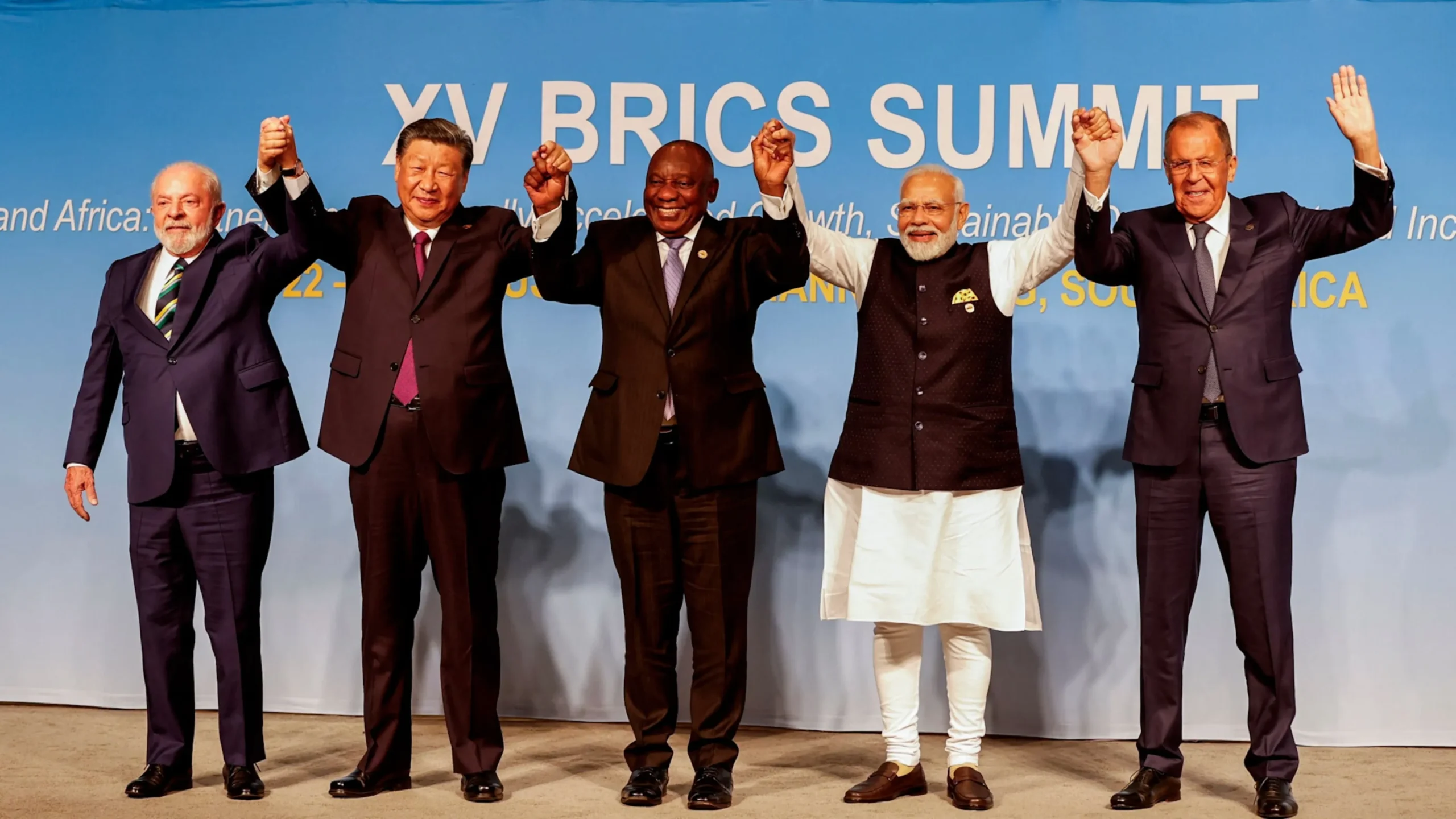
The BRICS coalition, comprising Brazil, Russia, India, China, and South Africa, has increasingly prioritized collaboration in technology and finance to strengthen economic resilience and global influence. Through joint initiatives, multilateral financial institutions, and technology-sharing agreements, BRICS nations aim to create alternative frameworks to