





China’s Quantum Computing Ambitions: Advancing Next-Generation Technology

China is aggressively investing in quantum computing research and development, aiming to secure leadership in next-generation computational technologies. Quantum computing promises transformative applications in cryptography, AI, material science, finance, and complex industrial simulations. By developing domestic capabilities in quantum hardware, algorithms, and software

China’s Semiconductor Self-Reliance: From Import Substitution to Global Competitiveness

China’s semiconductor industry is rapidly evolving in response to geopolitical pressures, export restrictions, and global market dynamics. The country has launched a concerted effort to achieve self-reliance in chip production, targeting mid-to-high-end logic and memory chips, AI accelerators, and industrial-grade microprocessors. Government policies,

Regulatory Tightening Around Cross-Border Data

China’s regulatory landscape for cross-border data transfer is undergoing significant tightening in 2025. The government aims to safeguard sensitive information, enforce data sovereignty, and maintain cybersecurity while balancing economic growth and technological innovation. These measures affect technology companies, fintech platforms, and multinational enterprises

Beijing’s Data Security Law: Balancing Innovation and Control

China’s Data Security Law establishes a framework for regulating the collection, storage, and processing of sensitive information. Introduced to enhance cybersecurity, ensure regulatory compliance, and safeguard critical data, the law impacts technology firms, fintech platforms, and enterprises handling cross-border transactions. Companies must adapt

Education Reforms to Build AI-Driven Human Capital

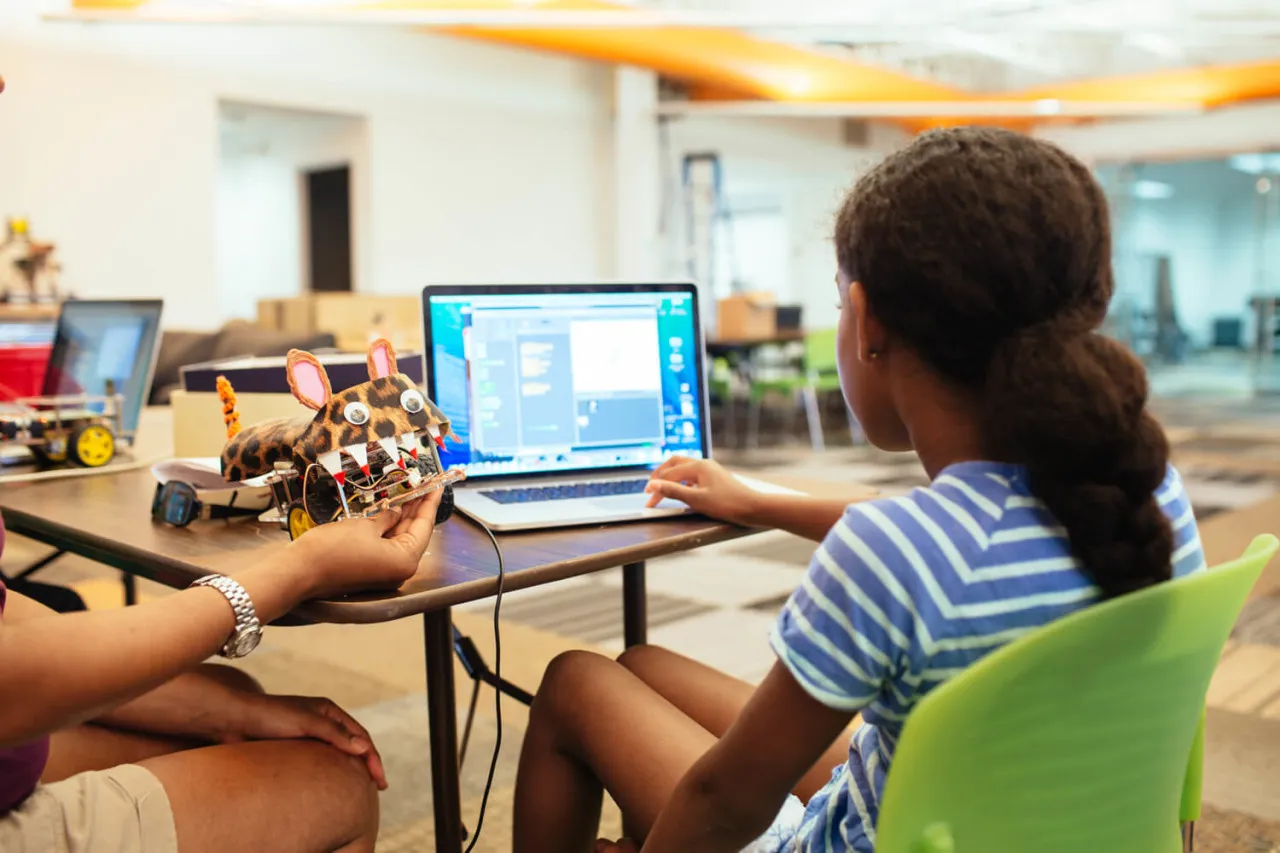
China is implementing education reforms to cultivate AI-driven human capital capable of supporting the country’s technology, fintech, and digital infrastructure ambitions. Universities, vocational schools, and research institutes are redesigning curricula to integrate AI, machine learning, data science, and coding skills. These reforms aim

AI Workforce 2025: Universities Train Next Generation of China’s Coders

China is actively building the next generation of AI professionals to support its growing technology and fintech sectors. Universities across the country are integrating AI, machine learning, and software engineering into their curricula, emphasizing practical skills, research, and innovation. By training students in

Regulatory Tightening Around Cross-Border Data

China’s regulatory environment for cross-border data transfer is tightening in 2025, reflecting national priorities for cybersecurity, data sovereignty, and digital economic oversight. New compliance requirements impact technology companies, fintech platforms, and multinational enterprises operating in or with China. Firms must balance innovation and

How Modular and Programmable Finance Models Are Shaping China’s Fintech Future

China’s fintech ecosystem is rapidly evolving, driven by modular and programmable finance models. These frameworks allow automated transactions, conditional funding, and transparent capital allocation, supporting innovation in payments, cross-border trade, and infrastructure financing. While no specific token is referenced, the concepts behind these

How Young Entrepreneurs Are Redefining China’s Startup Culture

China’s startup landscape is being reshaped by a new generation of young entrepreneurs. These innovators are leveraging digital technologies, AI, and cloud platforms to disrupt traditional business models in e-commerce, fintech, AI, and consumer tech. With strong government support, access to venture capital,

Modular Finance and China’s Programmable Money Vision

China is exploring modular finance and programmable money as part of its digital currency and fintech strategy. These innovations aim to enhance efficiency, transparency, and flexibility in payments, infrastructure funding, and cross-border transactions. By adopting modular frameworks, Chinese authorities and enterprises can experiment