





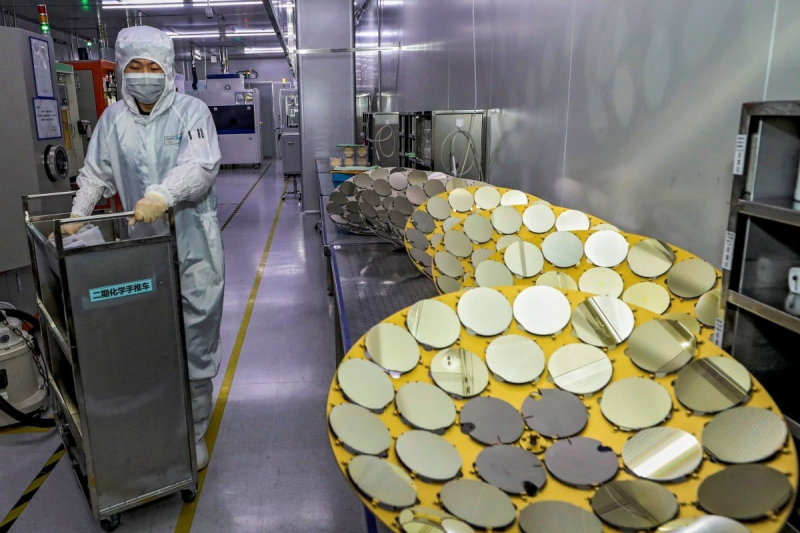


China’s Chip Startups Attract Record Funding as Investors Bet on Independence

China’s chip startups are attracting record levels of funding as investors intensify their focus on building a more independent semiconductor ecosystem. Venture capital groups, industrial investment funds and provincial technology programs are channeling significant resources into companies that specialize in chip design, advanced

China’s Semiconductor Policy Sees Big Shift as Firms Strengthen Local Supply Chains

China’s semiconductor sector is undergoing a major transformation as policymakers strengthen efforts to build secure and resilient local supply chains. Recent adjustments to national policy reflect the country’s goal of reducing reliance on imported chips and foreign controlled manufacturing processes. Industry leaders highlight

Global Impacts of China’s Chip Policies

China’s semiconductor policies have far-reaching implications for the global technology landscape. By 2025, initiatives aimed at increasing domestic production, supporting R&D, and fostering industrial clusters are influencing global chip supply chains, trade dynamics, and technological innovation. These policies target critical areas such as

Innovation in AI-Specific Chips

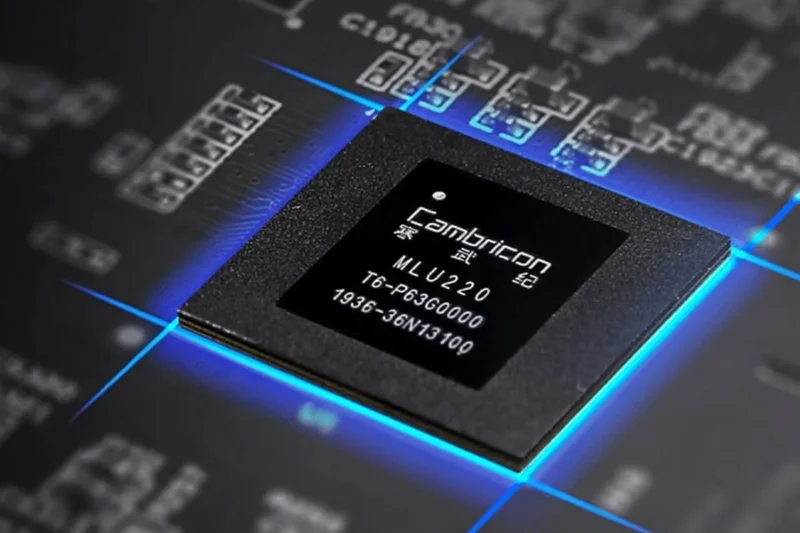
Artificial intelligence (AI) is driving transformative changes across industries, including healthcare, autonomous vehicles, robotics, and data analytics. Central to these innovations are AI-specific chips designed to optimize machine learning, deep learning, and inference tasks. By 2025, China has emerged as a leader in

Foundries Driving National Tech Security

Semiconductor foundries play a pivotal role in ensuring China’s technological independence and national security. By 2025, domestic foundries are central to producing high-performance logic chips, memory, and AI processors that underpin critical industries such as telecommunications, defense, electric vehicles, and data centers. The

Chip Import Substitutes and Domestic Production

China’s semiconductor industry faces increasing pressure to reduce reliance on imported chips, driven by global supply chain disruptions, trade restrictions, and national strategic priorities. By 2025, the country has accelerated initiatives to develop domestic production capabilities and create viable substitutes for imported semiconductor

China’s Semiconductor Manufacturing Roadmap

China’s semiconductor industry is a strategic priority, central to national technological self-reliance and global competitiveness. With the global demand for chips surging across AI, 5G, electric vehicles, and consumer electronics, China has laid out an ambitious semiconductor manufacturing roadmap. By 2025, the country

Huawei Launches New AI Chip for Data Centers

Huawei has announced the launch of its latest AI chip designed to enhance data center performance, underscoring China’s rapid progress in semiconductor and artificial intelligence technologies. The new chip aims to accelerate AI workloads, improve energy efficiency, and support the deployment of advanced

Semiconductors: Huawei Fabs In China’s 2025 Strategy

Semiconductors are central to China’s ambition to achieve technological self-reliance, and Huawei’s fabrication (fab) facilities play a critical role in the nation’s 2025 strategy. As global demand for advanced chips rises, Huawei has invested heavily in semiconductor research, production, and design, integrating AI,

China’s Memory Chip Drive: Challenging Samsung and Micron

New state-backed fabs target DRAM and NAND production to cut import reliance. Memory chips, DRAM, and NAND are the unsung heroes of modern technology, powering everything from smartphones to servers. In 2025, China is ramping up its efforts to reduce dependence on foreign