
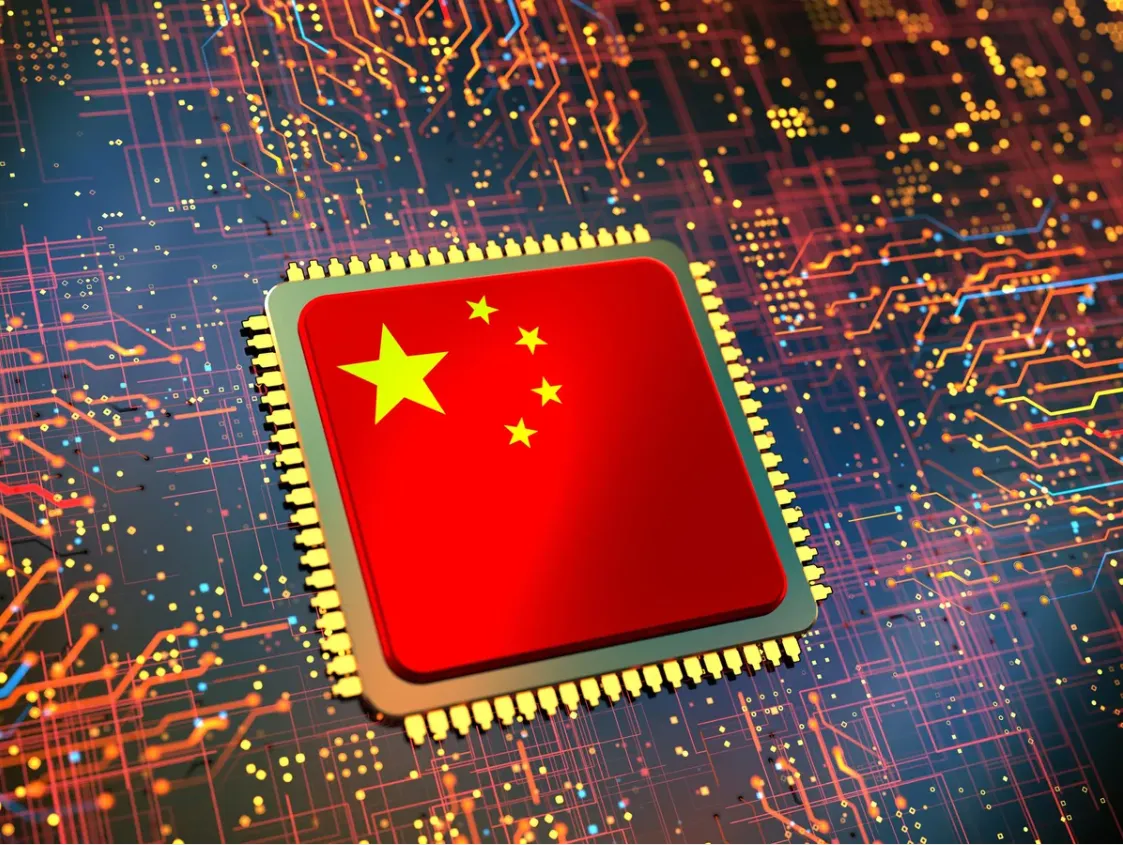



Hygon Chips Signal Quiet Progress in China’s Processor Independence

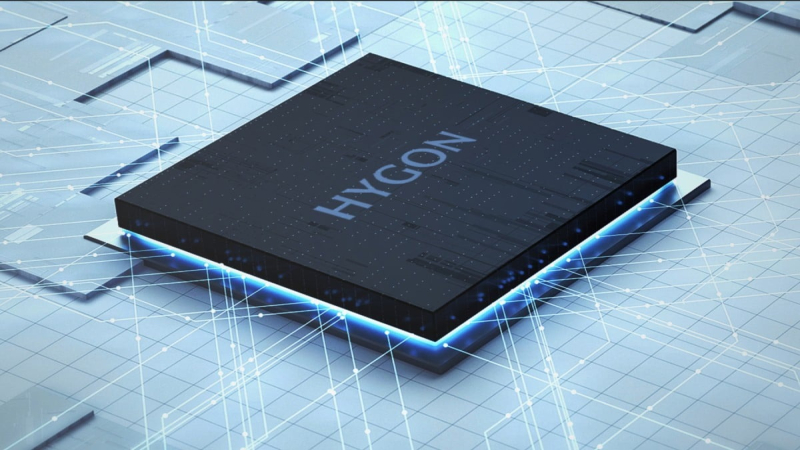
China’s semiconductor self reliance push gained a rare and quiet validation this week as processors designed by Hygon Information Technology were found unaffected by a recently disclosed hardware security vulnerability impacting several advanced chips built on US architectures. The flaw, which raised concerns

China Signals Limited Reopening for Nvidia H200 AI Chips

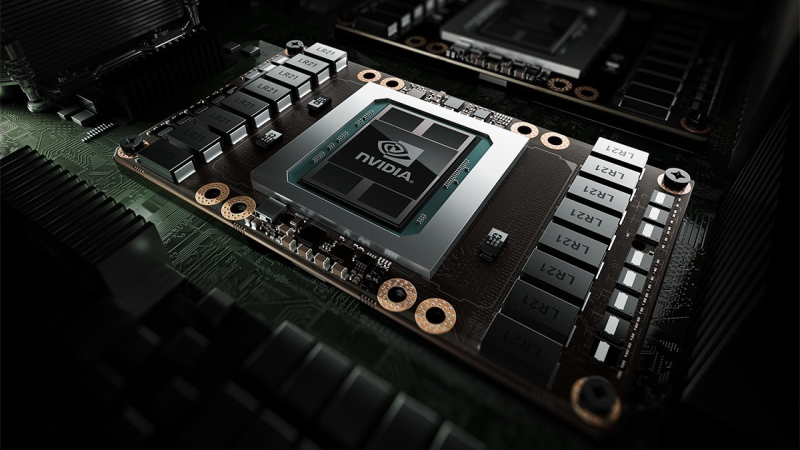
China has given an early signal that it may allow select domestic technology companies to resume purchases of Nvidia’s most advanced artificial intelligence processors, easing uncertainty around access to high end computing power. Authorities have granted preliminary clearance for a small group of

Nvidia Deepens AI Infrastructure Bet With CoreWeave Investment

Nvidia is tightening its grip on the physical backbone of the artificial intelligence economy, investing US$2 billion into AI infrastructure provider CoreWeave as demand for large scale computing capacity continues to accelerate. The investment makes Nvidia the company’s second largest shareholder and expands

China AI Firms Weigh GPU Access Over Performance

China’s artificial intelligence sector is navigating a growing gap between demand for high performance computing and the realities of hardware access, as leading firms face delays importing advanced graphics processing units while domestic alternatives mature at a slower pace. Nvidia’s H200 chips have

Alibaba Moves to Separate T Head as Strategic Chip Asset

Alibaba Group Holding is preparing a structural separation of its wholly owned chip design unit T Head, signalling a renewed emphasis on internal semiconductor capability as part of its long term cloud and artificial intelligence strategy. The unit is expected to be reorganised

China’s Semiconductor Policy Is Optimizing for Reliability, Not Breakthroughs

China’s semiconductor ambitions are often evaluated through a narrow lens focused on advanced nodes and frontier chip performance. While these benchmarks attract global attention, they do not fully reflect the strategic direction shaping current policy and investment decisions. In practice, China’s semiconductor approach

The Battle for Semiconductors: How China Is Redefining Tech Security

Semiconductors have become a central focus of global technology and security, and China is at the forefront of this strategic battle. Modern electronics, from smartphones and laptops to electric vehicles and military systems, depend on advanced chips. Recognizing this, China has made semiconductor

China’s Chip Ambitions: Competing with Global Giants

China’s ambitions in the semiconductor industry have moved from aspiration to action, reflecting the country’s desire to compete directly with global giants like Intel, TSMC, and Samsung. Semiconductors are the backbone of modern technology, powering everything from smartphones and computers to electric vehicles

China’s Chip Self Reliance Drive Progress Limits and Long Term Trade Offs

Strategic urgency reshapes semiconductor priorities China’s push for chip self reliance has evolved from a long term industrial ambition into an immediate strategic priority. External supply constraints and technology controls have highlighted the vulnerability of relying on global semiconductor markets. In response, China

China’s Memory Chip Market Struggles as Prices Rise and Buyers Pull Back

China’s secondary memory chip market is entering a strained period marked by rising prices and fading demand, creating an uneasy environment for traders and manufacturers alike. While global supply constraints are pushing costs higher, the lack of buyer appetite is exposing deeper weaknesses