






Talent Shortages in Semiconductor Production

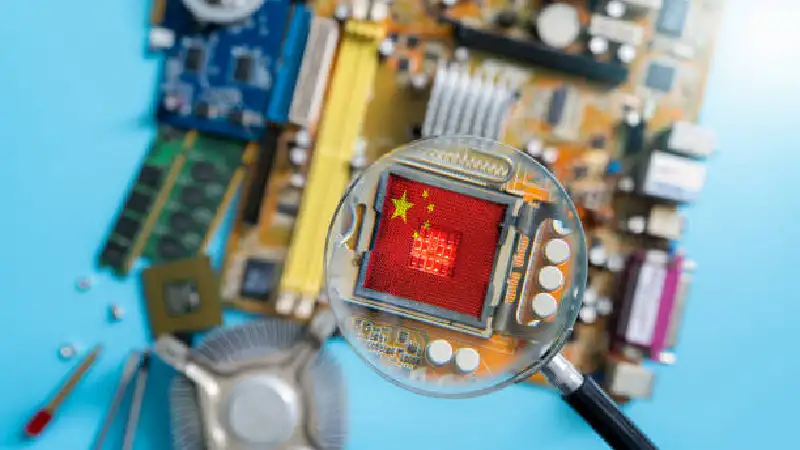
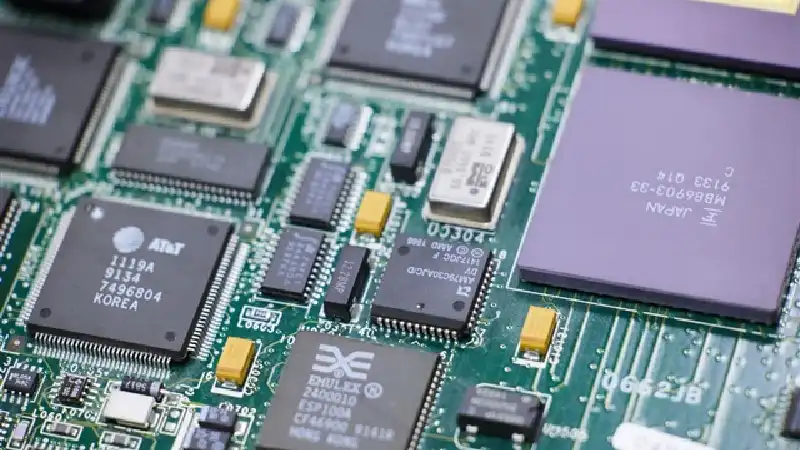
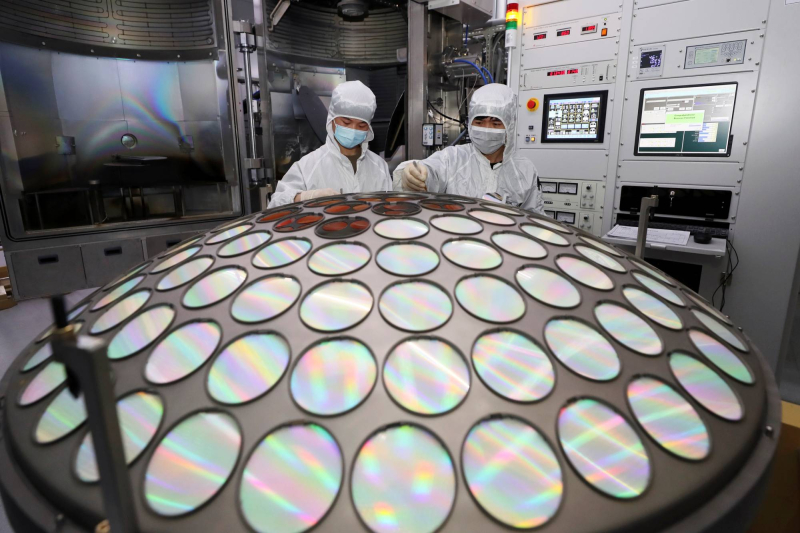
China’s semiconductor industry is growing rapidly, with fabs expanding production of logic chips, memory, and AI processors. By 2025, one of the critical challenges facing this growth is a shortage of skilled talent. Semiconductor production requires expertise in lithography, wafer processing, process control,

Next-Gen Fabs and Environmental Standards

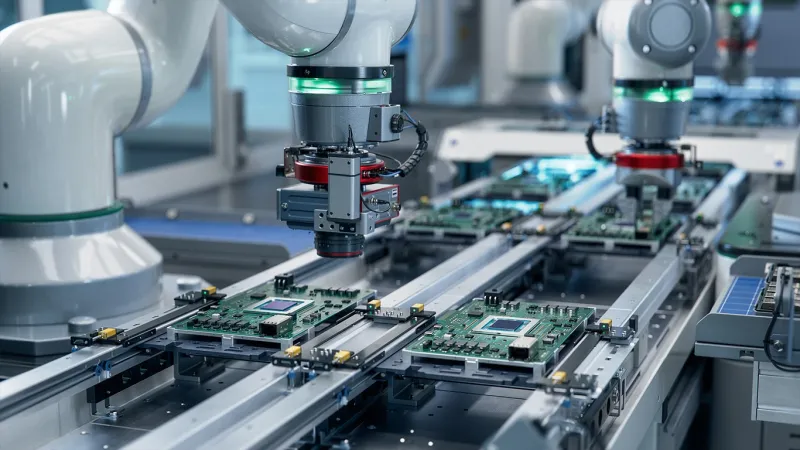
The expansion of next-generation semiconductor fabrication plants, or fabs, in China reflects a commitment to both technological advancement and environmental responsibility. By 2025, these next-gen fabs are incorporating cutting-edge processes, automation, and sustainable practices to minimize environmental impact while producing high-performance chips for

Government Support for Local Chip Manufacturing

China’s semiconductor industry has become a strategic priority for national development. By 2025, government support for local chip manufacturing is driving expansion, technological innovation, and global competitiveness. Policies and incentives are designed to encourage domestic fabrication, research and development, workforce development, and industrial

Top Fabs Leading AI Chip Production

Artificial intelligence (AI) is transforming industries worldwide, driving demand for specialized high-performance chips. In China, leading semiconductor fabrication plants or fabs are at the forefront of AI chip production. By 2025, domestic fabs are producing advanced logic chips, neural network accelerators, and high-bandwidth

Semiconductor Fabrication Expansion Across China

China’s semiconductor industry is experiencing rapid expansion, with semiconductor fabrication plants or fabs emerging as critical infrastructure for technology independence and economic growth. By 2025, China will be scaling up domestic fabrication capacity to produce advanced logic chips, memory, and AI processors. The

Semiconductors: Huawei Fabs In China’s 2025 Strategy

Semiconductors are central to China’s ambition to achieve technological self-reliance, and Huawei’s fabrication (fab) facilities play a critical role in the nation’s 2025 strategy. As global demand for advanced chips rises, Huawei has invested heavily in semiconductor research, production, and design, integrating AI,

Semiconductor Squeeze: How Chinese Startups Navigate Sanctions and Shortages

The struggle to innovate amid global supply chain restrictions. Introduction China’s semiconductor sector has long been dominated by state-backed giants like SMIC and Huawei, but an often-overlooked piece of the puzzle lies with startups. In 2025, smaller firms are at the frontlines of

China’s Memory Chip Drive: Challenging Samsung and Micron

New state-backed fabs target DRAM and NAND production to cut import reliance. Memory chips, DRAM, and NAND are the unsung heroes of modern technology, powering everything from smartphones to servers. In 2025, China is ramping up its efforts to reduce dependence on foreign

What is certain is that the chip war is now central to the China-U.S. rivalry, and Beijing is rewriting the playbook with subsidies, alliances, and sheer scale as its weapons of choice.

Semiconductor Squeeze: How China is Rewriting the Chip Playbook With U.S. export bans tightening, China pivots to indigenous innovation, subsidies, and strategic alliances. The Pressure Point of Modern Technology In the 21st century, semiconductors are the oil of the digital economy powering everything