



Global Impacts of China’s Chip Policies

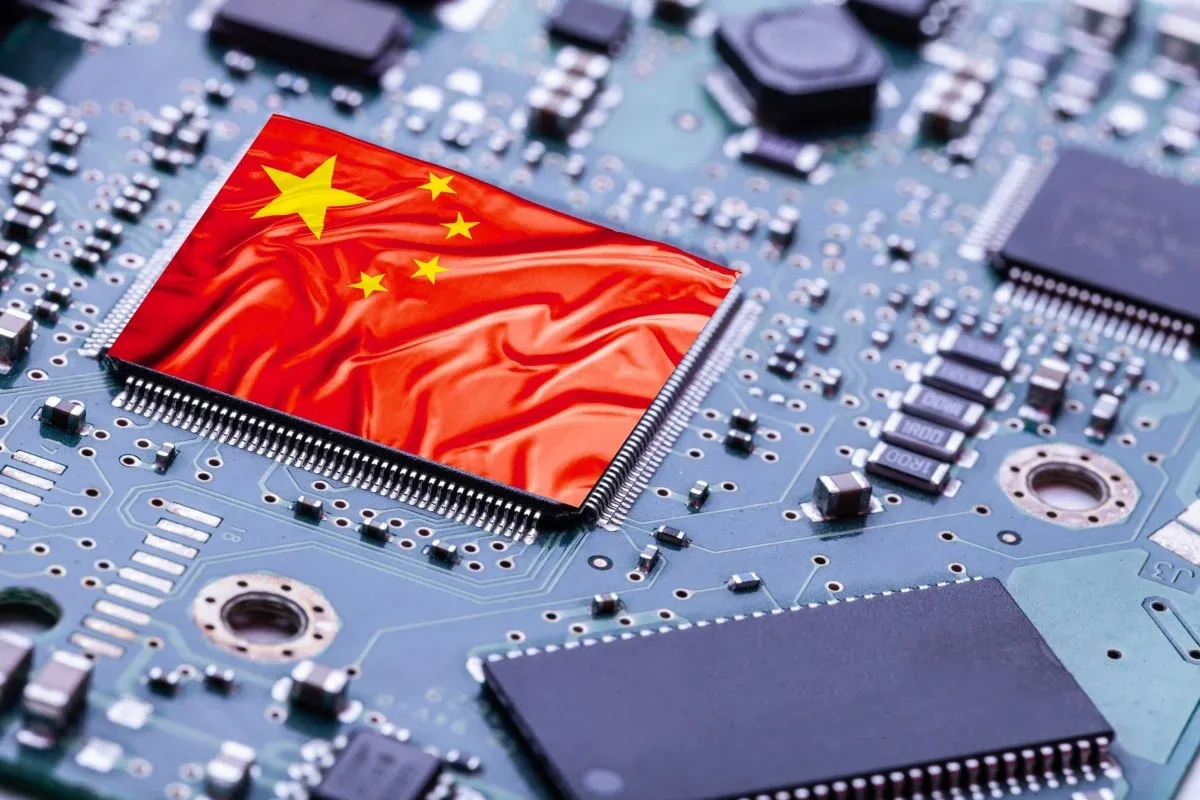
China’s semiconductor policies have far-reaching implications for the global technology landscape. By 2025, initiatives aimed at increasing domestic production, supporting R&D, and fostering industrial clusters are influencing global chip supply chains, trade dynamics, and technological innovation. These policies target critical areas such as

Innovation in AI-Specific Chips

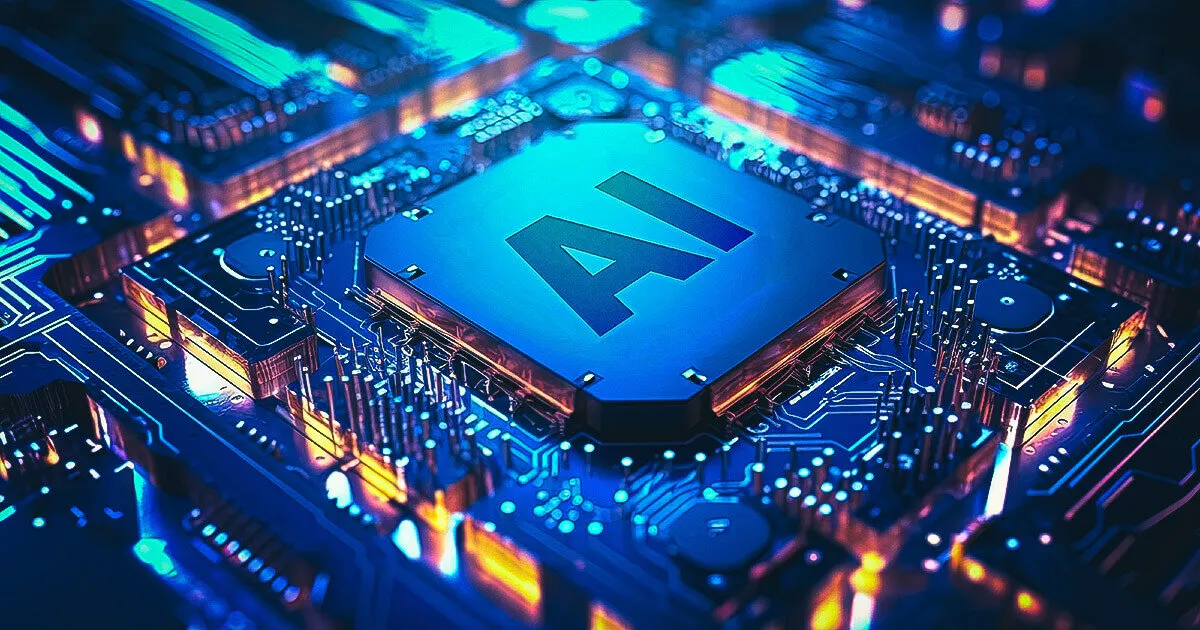
Artificial intelligence (AI) is driving transformative changes across industries, including healthcare, autonomous vehicles, robotics, and data analytics. Central to these innovations are AI-specific chips designed to optimize machine learning, deep learning, and inference tasks. By 2025, China has emerged as a leader in

Foundries Driving National Tech Security

Semiconductor foundries play a pivotal role in ensuring China’s technological independence and national security. By 2025, domestic foundries are central to producing high-performance logic chips, memory, and AI processors that underpin critical industries such as telecommunications, defense, electric vehicles, and data centers. The

Chip Import Substitutes and Domestic Production

China’s semiconductor industry faces increasing pressure to reduce reliance on imported chips, driven by global supply chain disruptions, trade restrictions, and national strategic priorities. By 2025, the country has accelerated initiatives to develop domestic production capabilities and create viable substitutes for imported semiconductor

China’s Semiconductor Manufacturing Roadmap

China’s semiconductor industry is a strategic priority, central to national technological self-reliance and global competitiveness. With the global demand for chips surging across AI, 5G, electric vehicles, and consumer electronics, China has laid out an ambitious semiconductor manufacturing roadmap. By 2025, the country

Advances in Solid-State Batteries

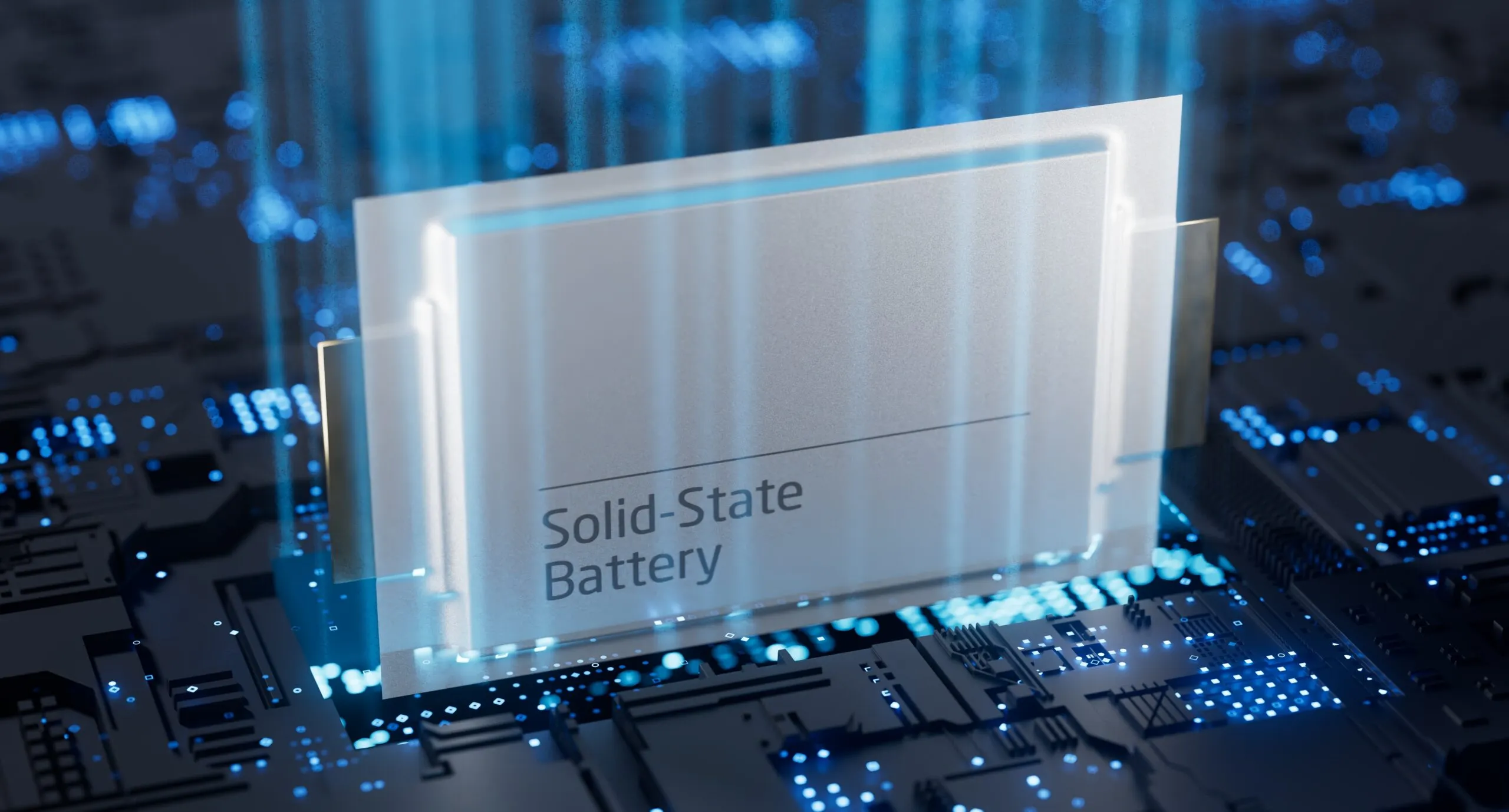
Solid-state batteries (SSBs) represent a transformative technology for electric vehicles (EVs), energy storage systems, and portable electronics. Unlike conventional lithium-ion batteries, solid-state batteries replace liquid electrolytes with solid materials, offering enhanced safety, higher energy density, and longer lifecycle performance. By 2025, China has

Battery Recycling Innovations in Industrial Hubs

As the demand for electric vehicles (EVs) and energy storage solutions grows in China, the importance of battery recycling has become increasingly critical. Lithium-ion (Li-ion) batteries, which power EVs and grid-scale energy storage systems, contain valuable materials such as lithium, cobalt, nickel, and

Sustainable Energy Storage Solutions

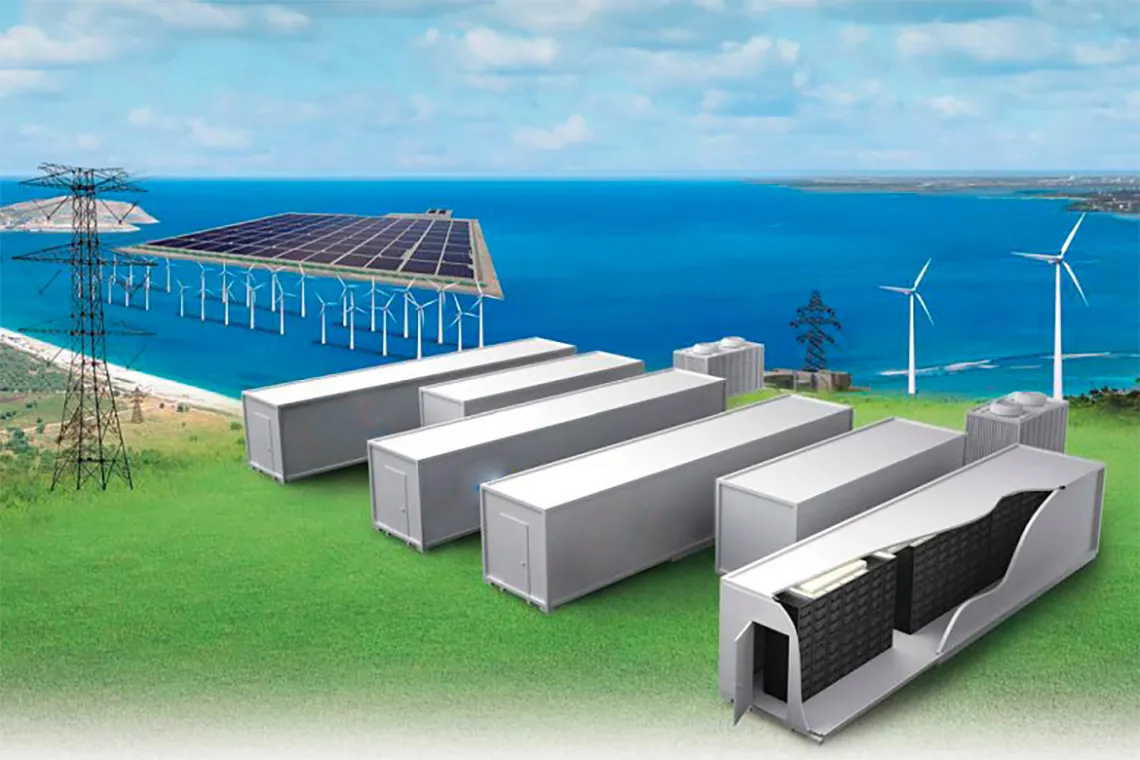
The global transition to renewable energy has created an urgent need for reliable, scalable, and sustainable energy storage solutions. In China, the rapid expansion of solar, wind, and electric vehicle (EV) sectors has intensified demand for storage technologies that can balance energy supply,

China’s Li-Ion Manufacturing Capacity and Exports

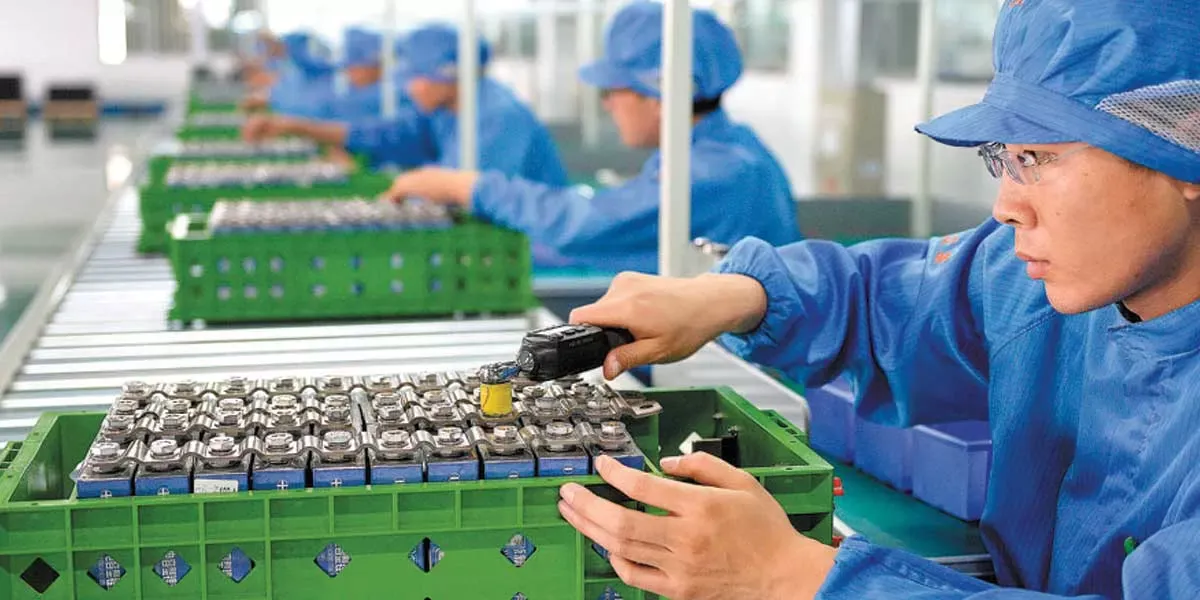
China has emerged as a global leader in lithium-ion (Li-ion) battery manufacturing, supplying energy storage solutions for electric vehicles (EVs), consumer electronics, and industrial applications. By 2025, China dominates both domestic production and international exports, driven by large-scale industrial capacity, technological innovation, and

Next-Gen Battery Technologies for EVs in China

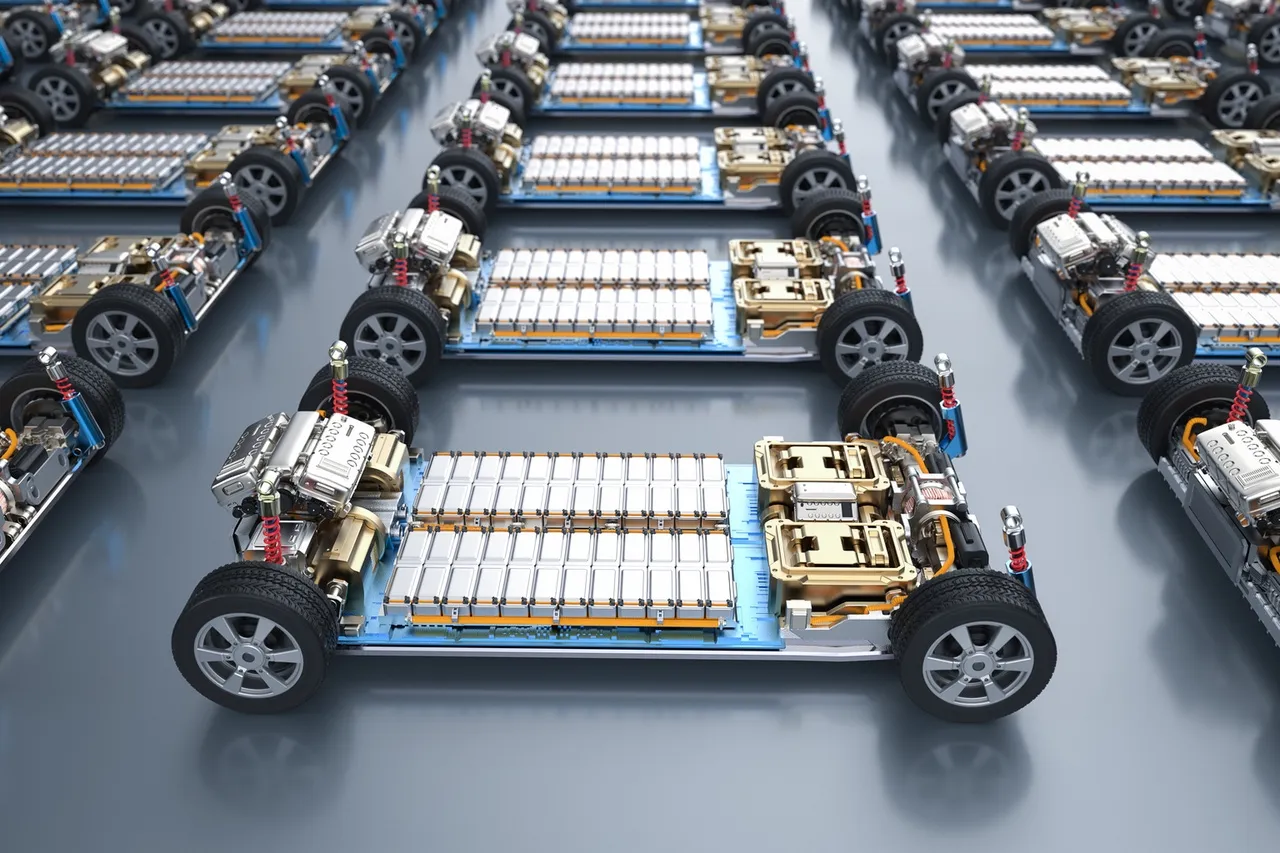
China’s electric vehicle (EV) industry is experiencing unprecedented growth, driven by government policies, consumer demand, and technological innovation. Central to this growth is the development of next-generation battery technologies that enhance vehicle range, safety, and performance. By 2025, China is leading the global