




Policy Framework for Autonomous Tech Adoption

The adoption of autonomous technologies, including self-driving vehicles, delivery drones, and industrial robots, is rapidly transforming China’s urban mobility, logistics, and industrial sectors. However, widespread deployment requires robust policy frameworks to ensure safety, operational reliability, and public trust. By 2025, Chinese authorities will

Challenges for AI-Based Autonomous Systems

AI-based autonomous systems are transforming industries, mobility, logistics, and urban infrastructure across China and the world. From self-driving vehicles and delivery drones to industrial robots, these systems promise efficiency, safety, and innovation. However, despite rapid technological progress, AI-based autonomy faces significant challenges in

Autonomous Industrial Robots in Factories

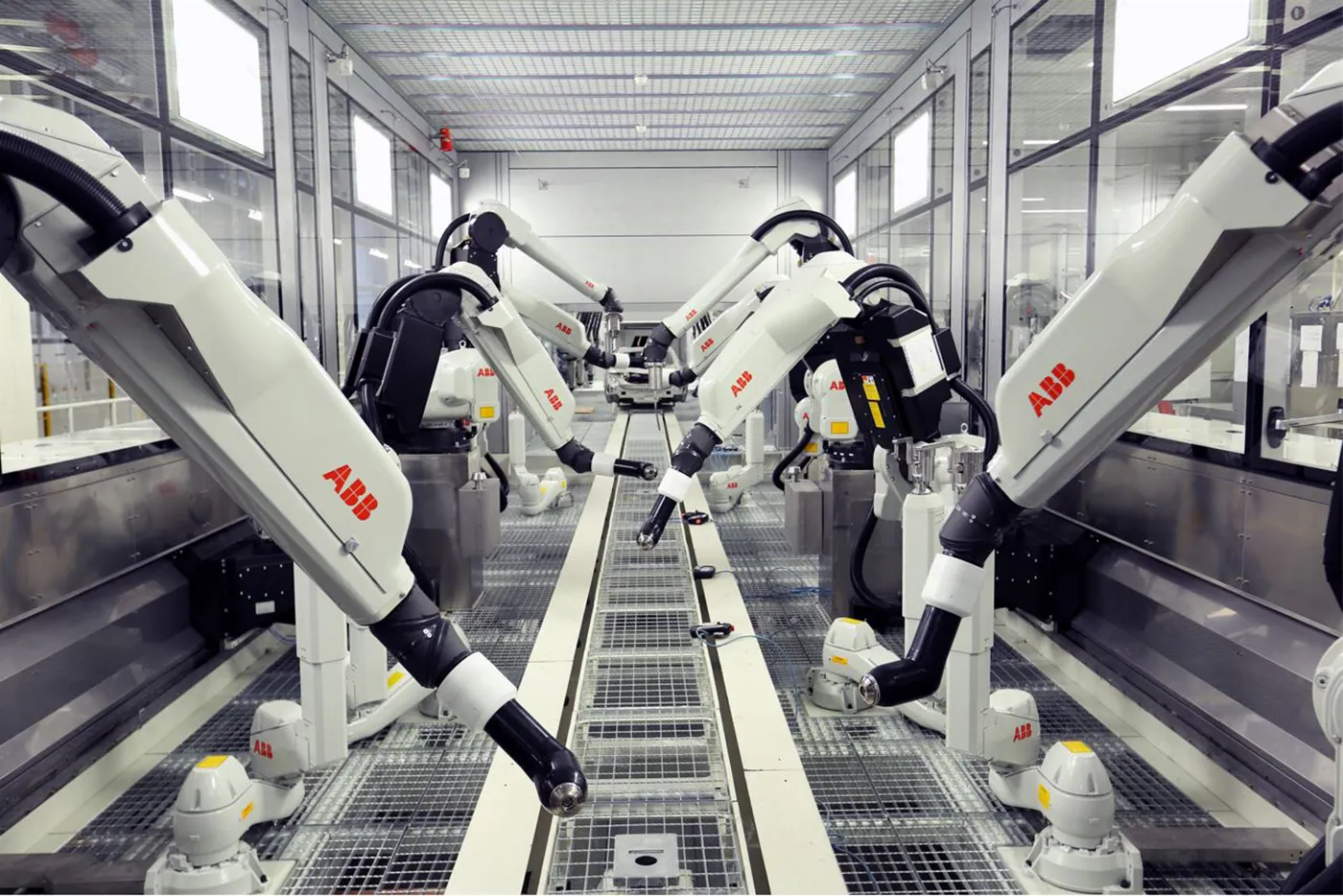
China’s industrial sector is undergoing a technological transformation through the adoption of autonomous industrial robots. By 2025, factories across manufacturing, electronics, automotive, and logistics sectors are deploying intelligent robots to enhance productivity, precision, and operational efficiency. These robots operate alongside human workers, performing

Self-Driving Delivery Drones in Logistics

China is at the forefront of deploying self-driving delivery drones to revolutionize urban and regional logistics. By 2025, drone technology has matured to enable autonomous delivery of packages, medical supplies, and critical industrial components. These drones operate in densely populated cities, suburban areas,

Autonomous Vehicles in Chinese Smart Cities

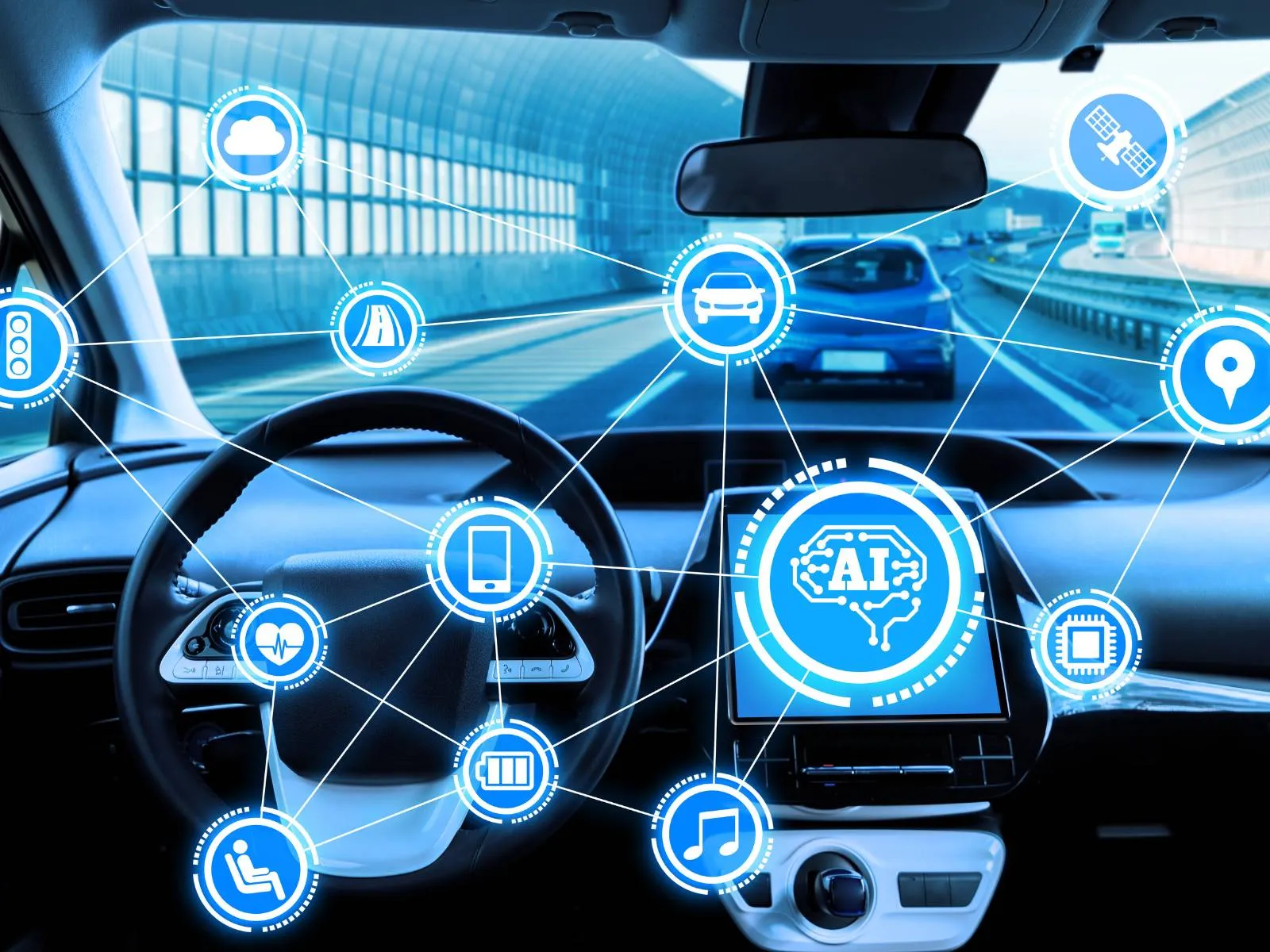
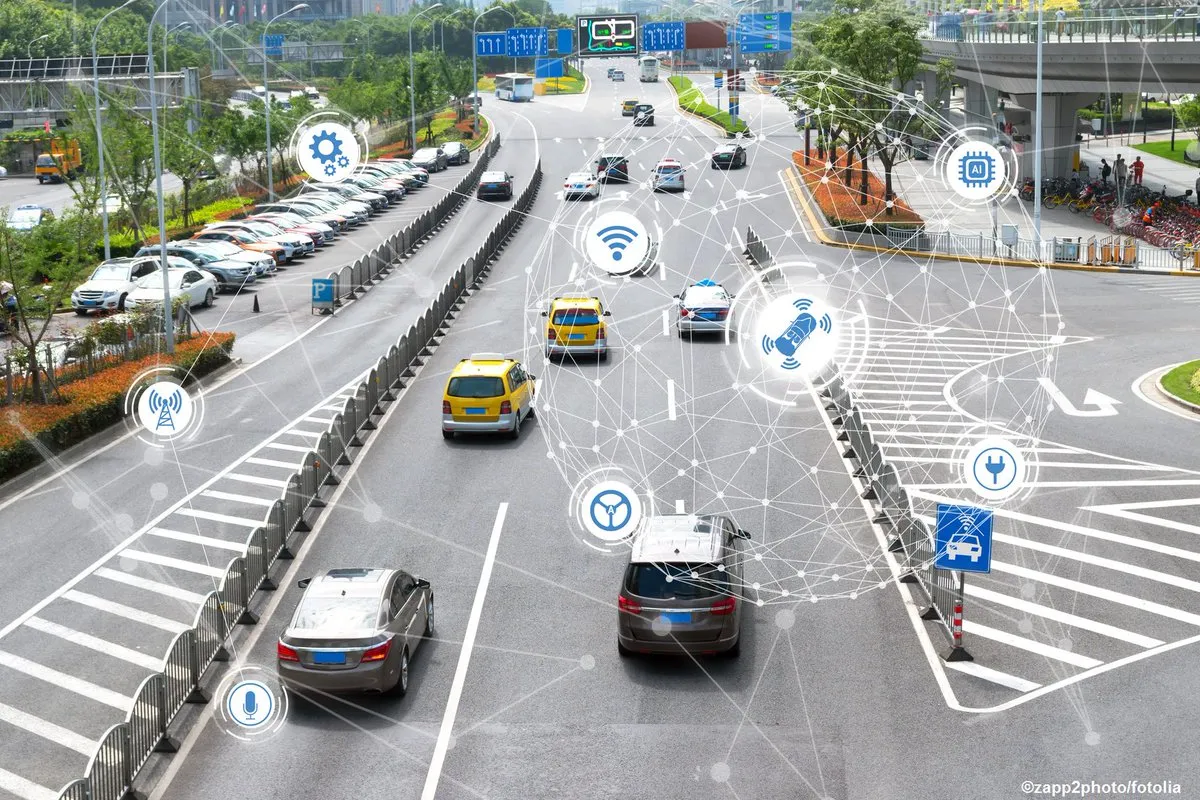
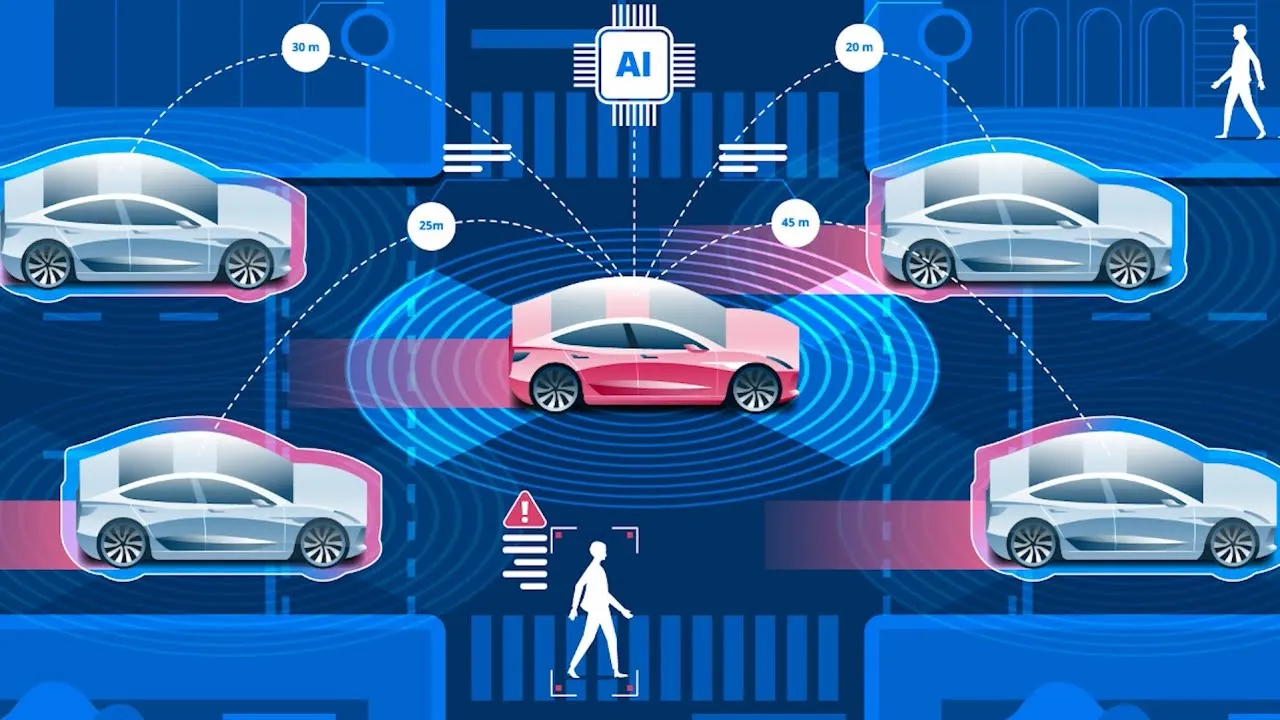
China is rapidly transforming urban mobility by integrating autonomous vehicles (AVs) into smart city frameworks. By 2025, multiple pilot cities will have deployed AVs across public transport, logistics, and private mobility services, leveraging advanced AI, connected infrastructure, and supportive government policies. Autonomous vehicles

Next-Gen Semiconductor Investments and Policy Support

The semiconductor industry is at the forefront of technological innovation, powering advancements in AI, 5G, electric vehicles, and cloud computing. In 2025, China is strategically investing in next-generation semiconductor technologies to enhance domestic capabilities, reduce reliance on foreign suppliers, and secure its position

Industrial Mobility Upgrades in Tier-2 Cities

China’s rapid urbanization and economic growth have increasingly focused on tier-2 cities, which serve as hubs for industrial production, logistics, and regional trade. Unlike tier-1 cities, these areas often face infrastructure bottlenecks, inefficient transportation systems, and limited adoption of advanced mobility technologies. By

Autonomous Vehicle Development and Pilot Cities

China has emerged as a global leader in autonomous vehicle (AV) research and development, leveraging government support, technological innovation, and urban pilot programs. By 2025, AV development is accelerating rapidly, with multiple pilot cities testing advanced autonomous mobility solutions. These initiatives are aimed

EV Market Expansion and Technological Innovations

China’s electric vehicle (EV) market has become one of the largest and most dynamic in the world, reflecting the country’s commitment to sustainable mobility, environmental policy, and industrial modernization. By 2025, EV adoption is accelerating rapidly across both urban and rural regions, driven

China’s Chip Manufacturing Progress in 2025

China’s semiconductor industry has witnessed remarkable progress in recent years, driven by government initiatives, strategic investments, and technological innovation. Amid global chip shortages and rising demand for AI, 5G, and high-performance computing, China aims to reduce reliance on foreign suppliers and strengthen its