




Advances in Solid-State Batteries

Solid-state batteries (SSBs) represent a transformative technology for electric vehicles (EVs), energy storage systems, and portable electronics. Unlike conventional lithium-ion batteries, solid-state batteries replace liquid electrolytes with solid materials, offering enhanced safety, higher energy density, and longer lifecycle performance. By 2025, China has

Battery Recycling Innovations in Industrial Hubs

As the demand for electric vehicles (EVs) and energy storage solutions grows in China, the importance of battery recycling has become increasingly critical. Lithium-ion (Li-ion) batteries, which power EVs and grid-scale energy storage systems, contain valuable materials such as lithium, cobalt, nickel, and

Sustainable Energy Storage Solutions

The global transition to renewable energy has created an urgent need for reliable, scalable, and sustainable energy storage solutions. In China, the rapid expansion of solar, wind, and electric vehicle (EV) sectors has intensified demand for storage technologies that can balance energy supply,

China’s Li-Ion Manufacturing Capacity and Exports

China has emerged as a global leader in lithium-ion (Li-ion) battery manufacturing, supplying energy storage solutions for electric vehicles (EVs), consumer electronics, and industrial applications. By 2025, China dominates both domestic production and international exports, driven by large-scale industrial capacity, technological innovation, and

Next-Gen Battery Technologies for EVs in China

China’s electric vehicle (EV) industry is experiencing unprecedented growth, driven by government policies, consumer demand, and technological innovation. Central to this growth is the development of next-generation battery technologies that enhance vehicle range, safety, and performance. By 2025, China is leading the global

Policy Framework for Autonomous Tech Adoption

The adoption of autonomous technologies, including self-driving vehicles, delivery drones, and industrial robots, is rapidly transforming China’s urban mobility, logistics, and industrial sectors. However, widespread deployment requires robust policy frameworks to ensure safety, operational reliability, and public trust. By 2025, Chinese authorities will

Challenges for AI-Based Autonomous Systems

AI-based autonomous systems are transforming industries, mobility, logistics, and urban infrastructure across China and the world. From self-driving vehicles and delivery drones to industrial robots, these systems promise efficiency, safety, and innovation. However, despite rapid technological progress, AI-based autonomy faces significant challenges in

Autonomous Industrial Robots in Factories

China’s industrial sector is undergoing a technological transformation through the adoption of autonomous industrial robots. By 2025, factories across manufacturing, electronics, automotive, and logistics sectors are deploying intelligent robots to enhance productivity, precision, and operational efficiency. These robots operate alongside human workers, performing

Self-Driving Delivery Drones in Logistics

China is at the forefront of deploying self-driving delivery drones to revolutionize urban and regional logistics. By 2025, drone technology has matured to enable autonomous delivery of packages, medical supplies, and critical industrial components. These drones operate in densely populated cities, suburban areas,

Autonomous Vehicles in Chinese Smart Cities

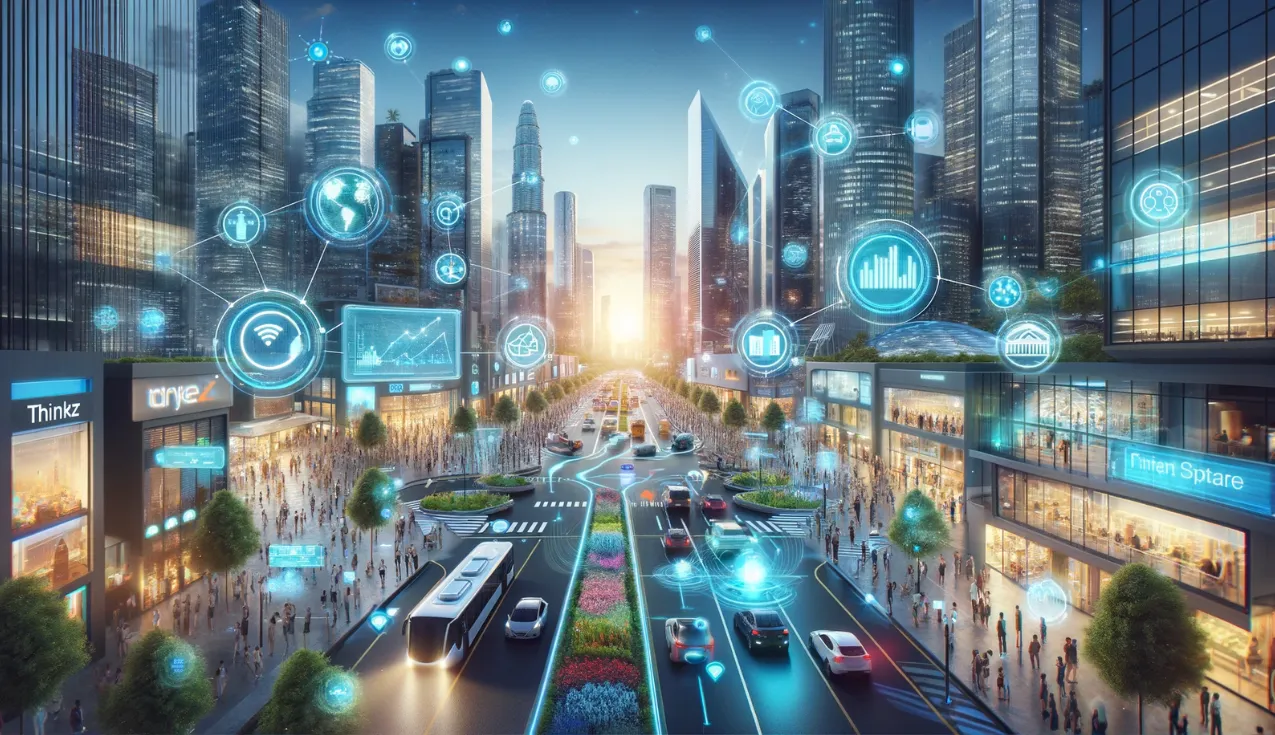
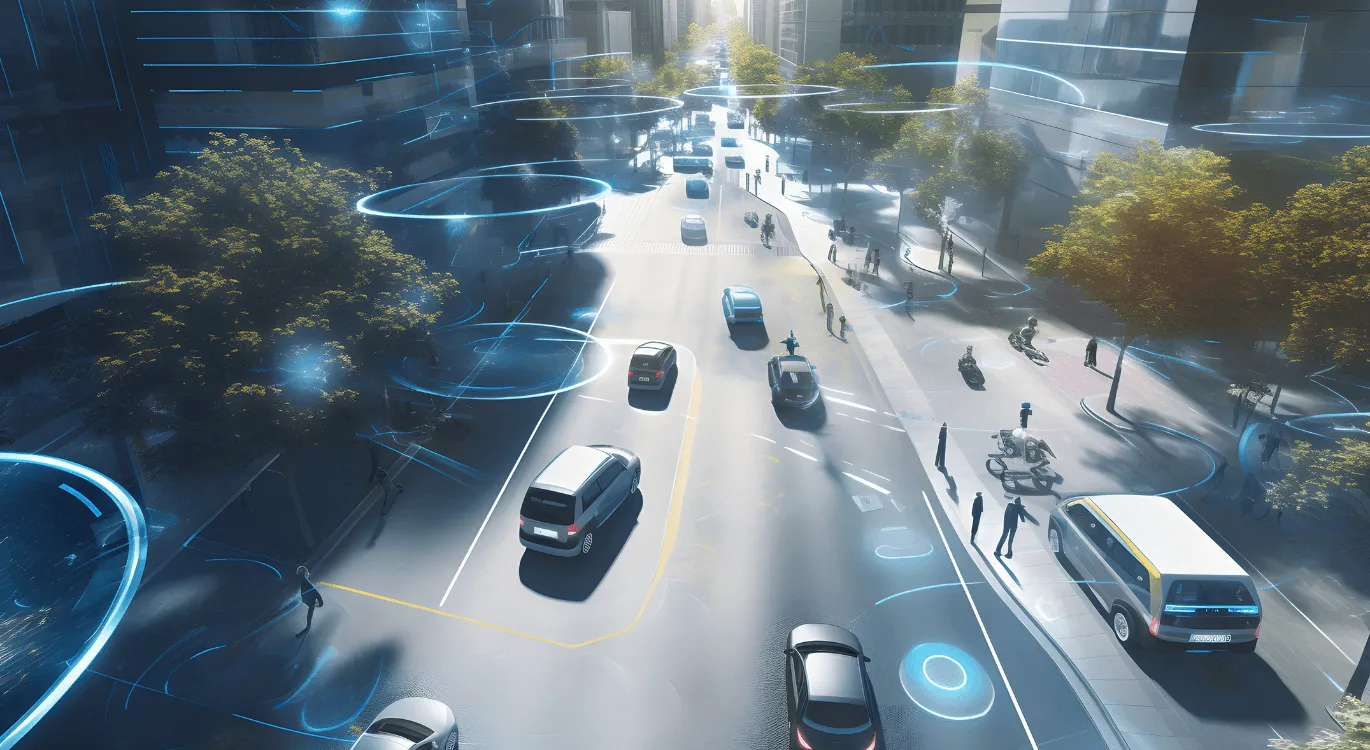
China is rapidly transforming urban mobility by integrating autonomous vehicles (AVs) into smart city frameworks. By 2025, multiple pilot cities will have deployed AVs across public transport, logistics, and private mobility services, leveraging advanced AI, connected infrastructure, and supportive government policies. Autonomous vehicles