



China Accelerates Domestic Semiconductor Production

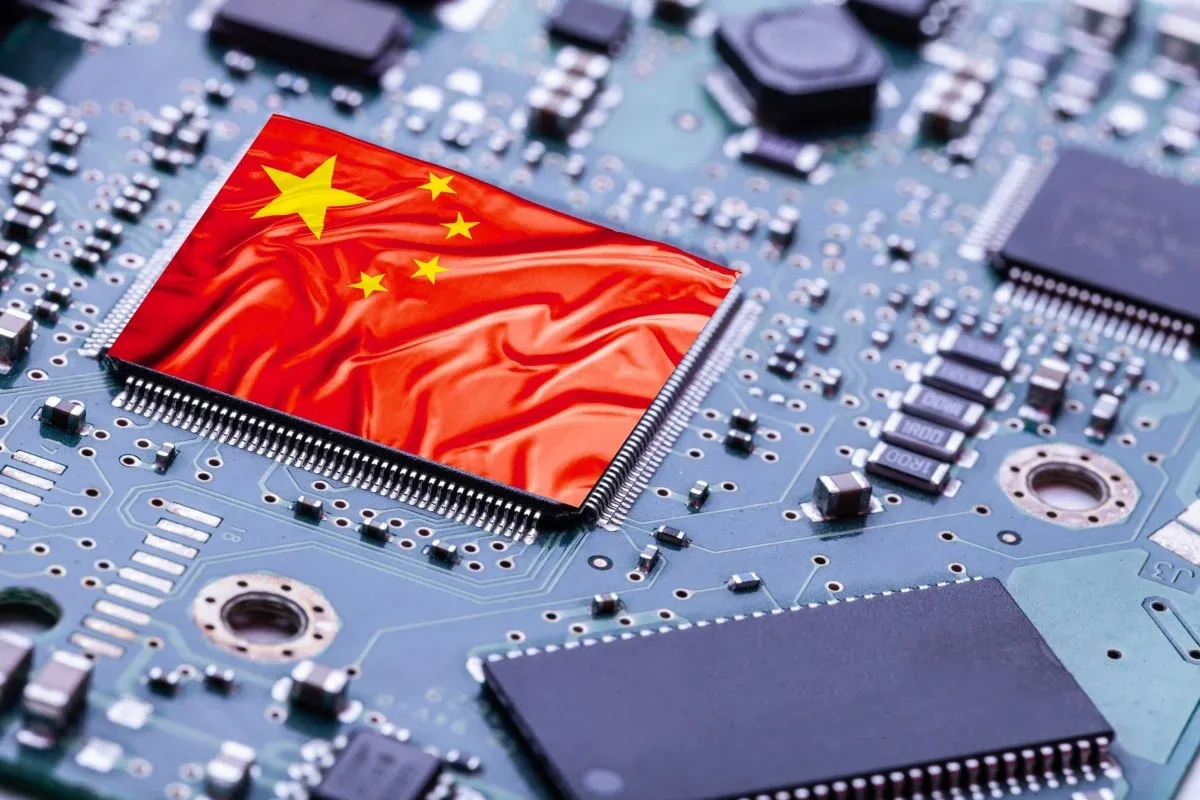
China has intensified its efforts to build a self-reliant semiconductor industry, aiming to reduce dependency on foreign suppliers amidst global geopolitical tensions. The government has allocated billions in funding for chip design, fabrication, and testing, emphasizing technological independence and innovation in advanced integrated

Huawei Leadership and Global Strategy: Navigating Technology and Markets

Huawei has established itself as a global technology leader under the guidance of its executive team, particularly founder Ren Zhengfei. The company’s leadership strategy combines innovation in telecommunications, semiconductors, and digital infrastructure with strategic market expansion, regulatory compliance, and international partnerships. Huawei’s approach

China’s Semiconductor Strategy: Driving Self-Sufficiency And Global Competitiveness

China’s semiconductor industry has emerged as a strategic priority, reflecting the country’s ambition to achieve technological self-sufficiency and reduce reliance on foreign suppliers. Semiconductors are the backbone of modern technology, powering everything from smartphones and computers to AI systems, autonomous vehicles, and industrial

Huawei Launches New AI Chip for Data Centers

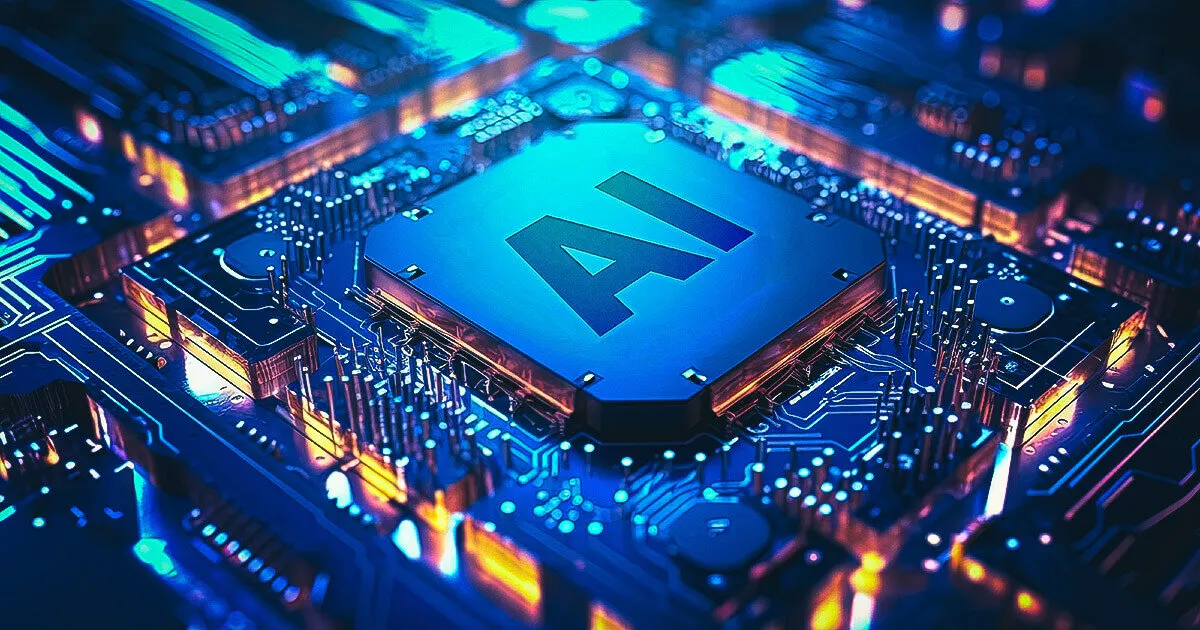
Huawei has announced the launch of its latest AI chip designed to enhance data center performance, underscoring China’s rapid progress in semiconductor and artificial intelligence technologies. The new chip aims to accelerate AI workloads, improve energy efficiency, and support the deployment of advanced

China’s 5G Deployment: Impacts on Industry and Consumer Tech

China’s rapid deployment of 5G networks is transforming both industry operations and consumer technology, creating a foundation for high-speed connectivity, low-latency communication, and innovative applications. With extensive infrastructure investment, strategic government planning, and corporate participation, 5G is not only enhancing telecommunications but also

Smart Manufacturing: Integration of IoT, Robotics, and AI

China’s manufacturing sector is experiencing a transformative shift as enterprises integrate Internet of Things (IoT) devices, robotics, and artificial intelligence (AI) into production processes. This convergence, often referred to as “smart manufacturing,” enhances operational efficiency, product quality, and supply chain resilience. By leveraging

Huawei’s Semiconductor Breakthroughs: What It Means for Global Tech

Huawei, one of China’s foremost technology giants, has recently announced significant breakthroughs in semiconductor technology, signaling a pivotal moment for the global tech ecosystem. The company’s advancements in chip design, fabrication processes, and supply chain resilience underscore its commitment to technological self-reliance while

China’s Robotics & Automation In Factories

China is rapidly advancing its industrial capabilities through robotics and automation, transforming manufacturing processes across multiple sectors. The integration of intelligent machinery, AI-driven systems, and digital monitoring has enhanced productivity, quality control, and operational efficiency in factories nationwide. These developments align with China’s

Semiconductors: Huawei Fabs In China’s 2025 Strategy

Semiconductors are central to China’s ambition to achieve technological self-reliance, and Huawei’s fabrication (fab) facilities play a critical role in the nation’s 2025 strategy. As global demand for advanced chips rises, Huawei has invested heavily in semiconductor research, production, and design, integrating AI,

EV Titans: BYD, NIO, Xiaomi Challenging Tesla

China’s electric vehicle (EV) industry has rapidly evolved into a global powerhouse, with companies such as BYD, NIO, and Xiaomi challenging Tesla’s dominance. Supported by government incentives, technological innovation, and strategic global expansion, these firms are redefining the EV market. Their focus on