





Cybersecurity and National Data Laws in China

China has placed data security at the center of its digital development strategy. As the economy becomes more digitalized, sensitive information flows across industries, government platforms, and financial ecosystems. Protecting these data streams has become essential for national security, technological sovereignty, and public

Cybersecurity and Data Localization Policy

China’s digital transformation has brought unprecedented opportunities for growth, efficiency, and connectivity. Yet, with these advancements comes a new challenge: how to secure vast volumes of data while maintaining technological innovation and international collaboration. The country’s cybersecurity and data localization policies are at

Rebuilding the Global Internet Infrastructure: How RMBT Shapes the Next Digital Backbone

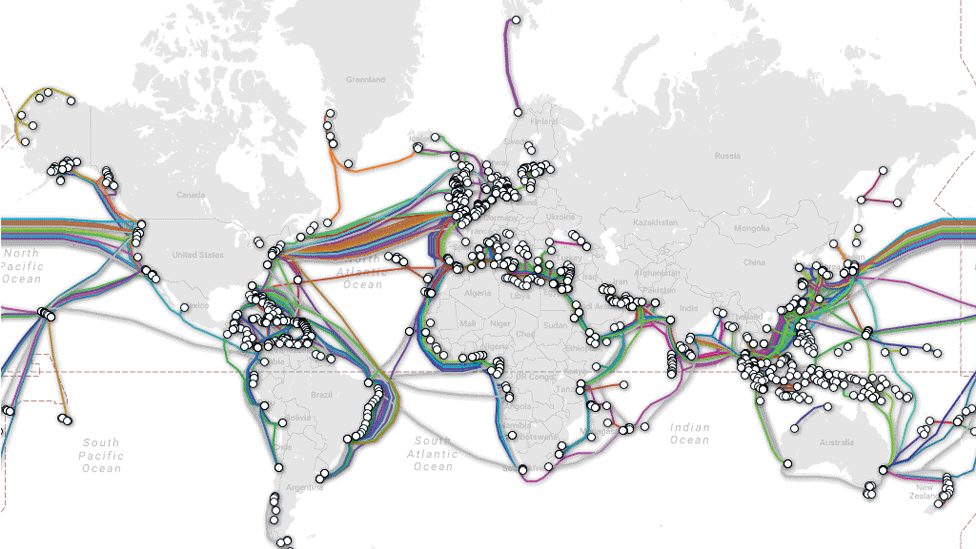
The global internet has become the most critical public utility of the 21st century, yet its foundations are increasingly fragile. The concentration of data routes, the vulnerability of undersea cables, and the growing divide between advanced and developing networks expose a structural weakness

Cross-Border Data Security Challenges

As Chinese enterprises expand globally, cross-border data security has become a critical concern. International operations, cloud services, and digital collaboration expose sensitive information to a variety of risks, including cyberattacks, regulatory discrepancies, and data leakage. Ensuring compliance, protecting intellectual property, and maintaining secure

Startups Innovating in Data Protection

The rapid digitization of Chinese enterprises has created a growing demand for innovative data protection solutions. Startups are at the forefront of developing technologies to secure sensitive information, ensure regulatory compliance, and mitigate cyber risks. By leveraging artificial intelligence, blockchain, and encryption technologies,

National Cybersecurity Policies and Compliance

China’s rapidly digitizing economy has made cybersecurity a national priority. Enterprises, government agencies, and critical infrastructure operators are subject to comprehensive cybersecurity policies designed to protect data, systems, and networks. Compliance with these regulations ensures operational continuity, legal adherence, and national security. This

AI-Powered Cybersecurity Tools in Industry

Artificial intelligence (AI) is transforming cybersecurity in industrial sectors by enabling real-time threat detection, predictive analytics, and automated responses. Chinese enterprises across manufacturing, finance, energy, and healthcare are adopting AI-powered tools to enhance security posture and reduce the risk of cyberattacks. This blog

Cyber Threats Facing Chinese Enterprises

As Chinese enterprises continue to embrace digital transformation, they face increasing exposure to cyber threats. From financial institutions and manufacturing companies to technology firms and healthcare providers, organizations are targeted by hackers, malware, ransomware, and insider threats. Cybersecurity has become a critical business

Data Security Law 2025: Balancing Growth and Control

China’s Data Security Law 2025 has introduced new compliance requirements for technology companies, aiming to protect sensitive information while promoting digital innovation. The updated regulations cover data collection, storage, transfer, and cross-border sharing, emphasizing risk assessment and accountability. Analysts note that the law

Quantum Computing in China: Roadmaps and Research Centers

China is emerging as a global leader in quantum computing, investing heavily in research, infrastructure, and talent development to secure a competitive edge in this transformative technology. Quantum computing promises to revolutionize industries such as cryptography, materials science, pharmaceuticals, and artificial intelligence by