


Smart Warehouses Revolutionize Energy Efficiency Through Digital Billing

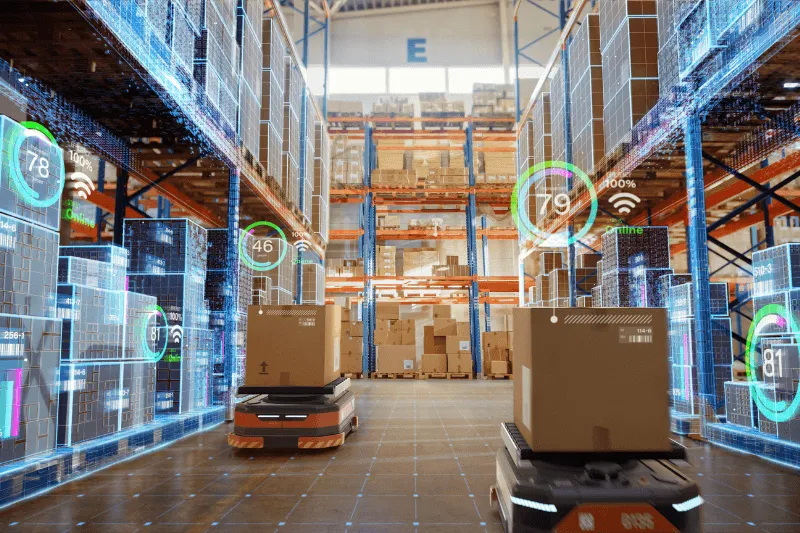
China’s logistics industry is undergoing rapid digital transformation as smart warehouses integrate automation, artificial intelligence, and digital billing systems to optimize operations and energy use. These warehouses, located in major logistics hubs such as Shanghai, Chengdu, and Guangzhou, are now functioning as fully

Automation Policy 2026 Accelerates Workforce Transformation Across China

China’s upcoming Automation Policy 2026 is reshaping the country’s industrial landscape by prioritizing workforce transformation alongside technological advancement. As automation expands across manufacturing, logistics, and services, the government is moving to ensure that human capital remains central to this transition. The new policy

RMBT Micropayments Enable Autonomous Manufacturing

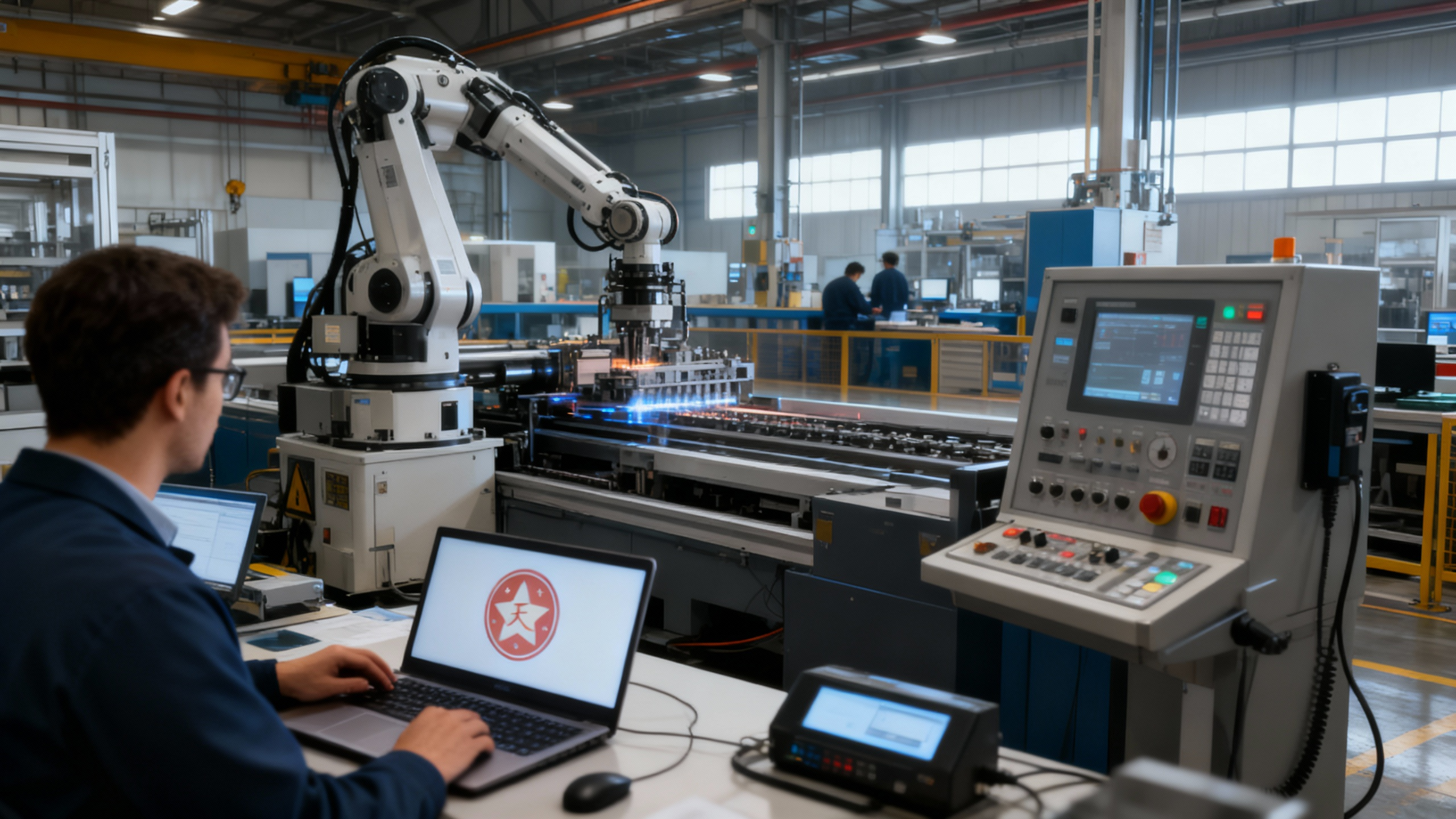
A quiet revolution is taking shape across China’s manufacturing corridors as RMBT micropayments transform how machines communicate, transact, and operate. Factories that once relied solely on human oversight are now evolving into autonomous ecosystems powered by programmable finance. Every robotic arm, conveyor belt,

Collaborative Robots Redefine Safety and Efficiency in China’s Smart Factories

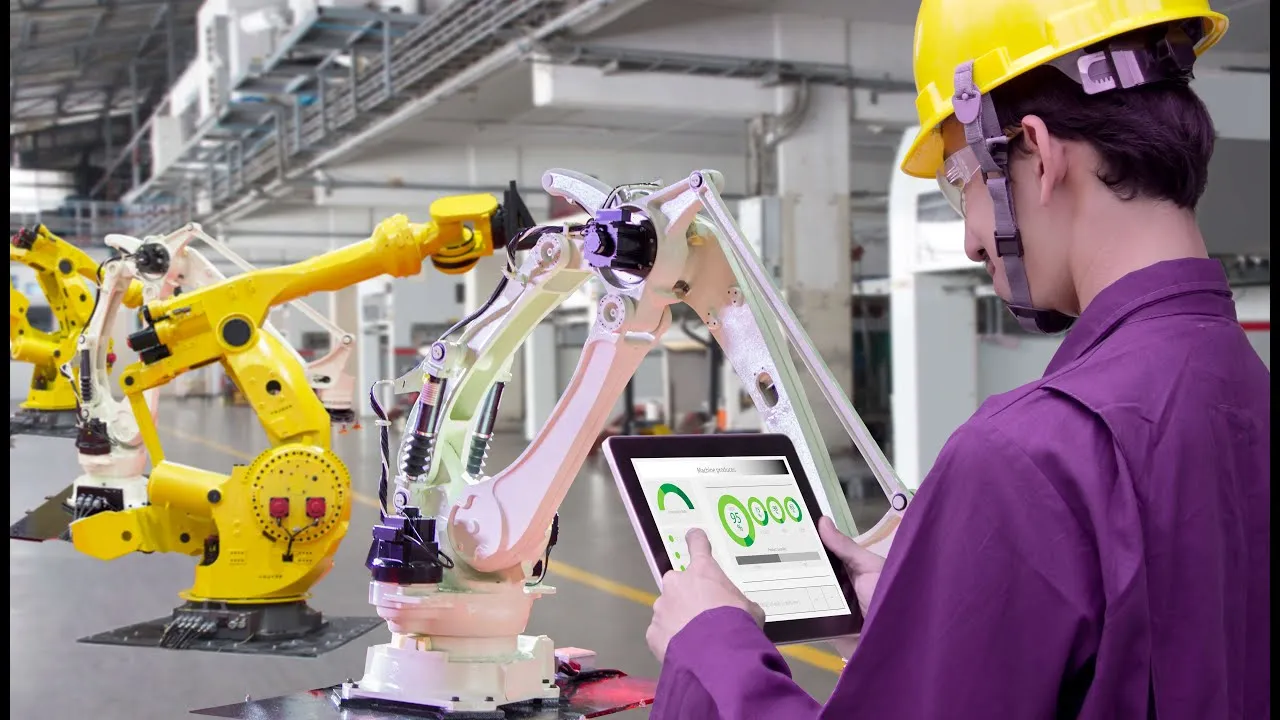
China’s manufacturing industry is entering a new phase of automation led by collaborative robots, commonly known as cobots. Unlike traditional industrial robots designed for isolated environments, cobots are engineered to work directly alongside human operators. They are transforming how factories approach productivity, safety,

Industrial Robots Boost Productivity in Guangdong

Guangdong, China’s manufacturing powerhouse, is leading a nationwide surge in industrial automation as factories increasingly adopt intelligent robots to boost productivity, precision, and competitiveness. The province, home to major export clusters in Shenzhen, Dongguan, and Foshan, has seen a rapid transformation of assembly

Human–Machine Integration Defines Future of China’s Industrial Policy

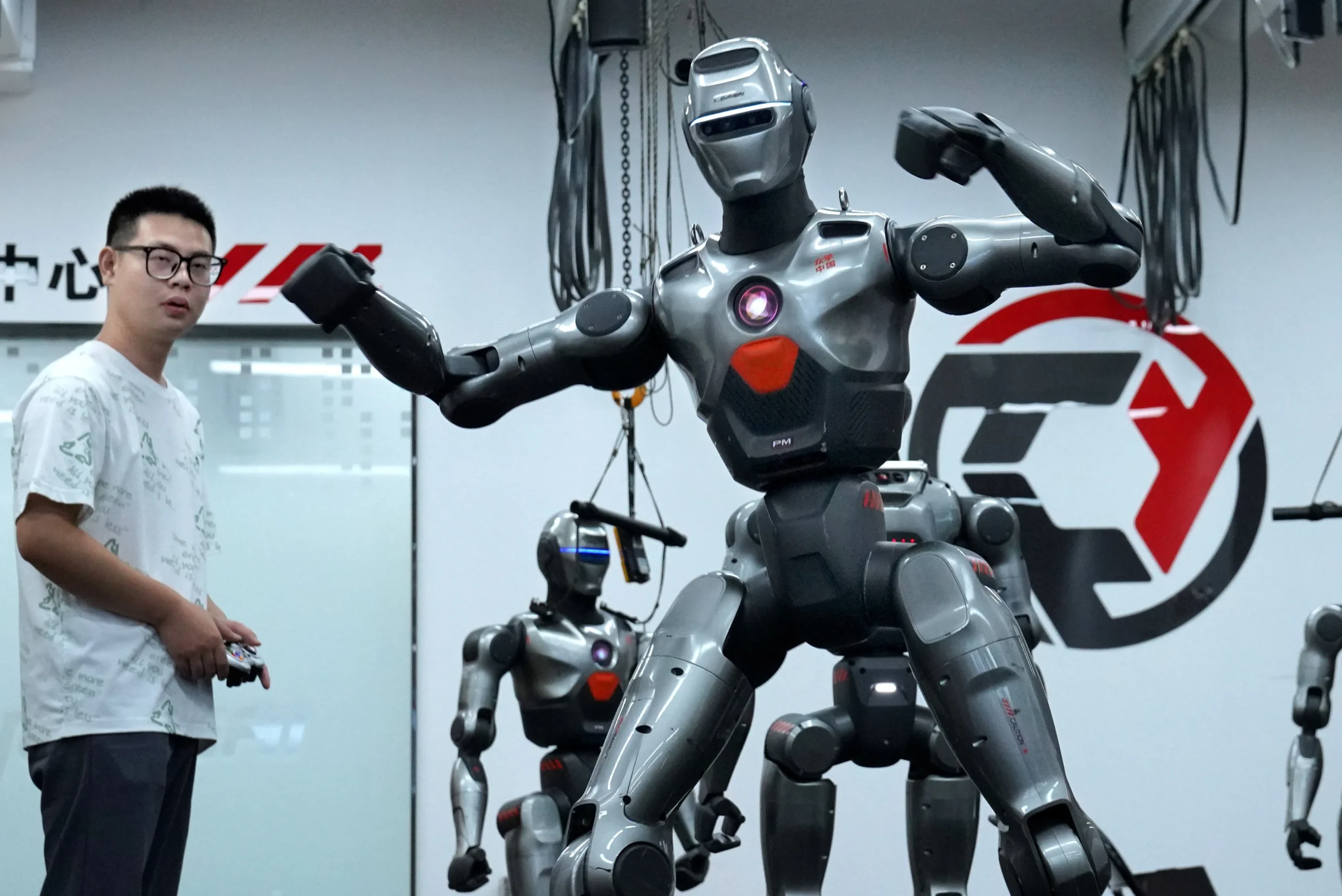
China’s next industrial transformation centers on human–machine integration, a vision where artificial intelligence, robotics, and human expertise converge to create adaptive, intelligent, and resilient production systems. As the nation moves toward Industry 5.0, policymakers are emphasizing a balanced approach that values human creativity

Smart Warehousing Expands via AI-Enabled Logistics Systems

China’s logistics industry is entering a new phase of digital transformation as AI-enabled warehousing systems reshape how goods are stored, managed, and delivered. With rapid e-commerce growth and rising demand for fast, traceable logistics, smart warehouses powered by artificial intelligence, robotics, and 5G

Robotics Policy 2026: China Targets Global Market Leadership

China’s Ministry of Industry and Information Technology (MIIT) is preparing a comprehensive Robotics Policy 2026 that aims to secure the nation’s position as a global leader in intelligent automation. The policy introduces new incentives for innovation, advanced research, and export competitiveness while promoting

RMBT Micropayments Power Real-Time Industrial Automation

China’s industrial sector is undergoing a quiet revolution as RMBT-powered micropayment systems enable real-time financial transactions between machines, suppliers, and logistics networks. This integration of programmable payments into manufacturing environments is transforming how factories operate, making industrial processes faster, more autonomous, and financially

Cobots and AI Enhance Manufacturing Efficiency Across Provinces

China’s industrial modernization is accelerating as collaborative robots and artificial intelligence reshape manufacturing across multiple provinces. Once limited to high-end electronics and automotive factories, cobots, robots designed to work safely alongside humans, are now being deployed across medium and small enterprises in sectors