CATL Sodium Ion Advance and Tesla AI Hub Highlight China EV Shift
China’s electric vehicle sector continues to evolve at high speed, with fresh developments in battery chemistry, pricing policy and autonomous driving reshaping the competitive landscape. Recent moves by leading manufacturers and regulators signal a new phase of consolidation and technological acceleration across the industry.
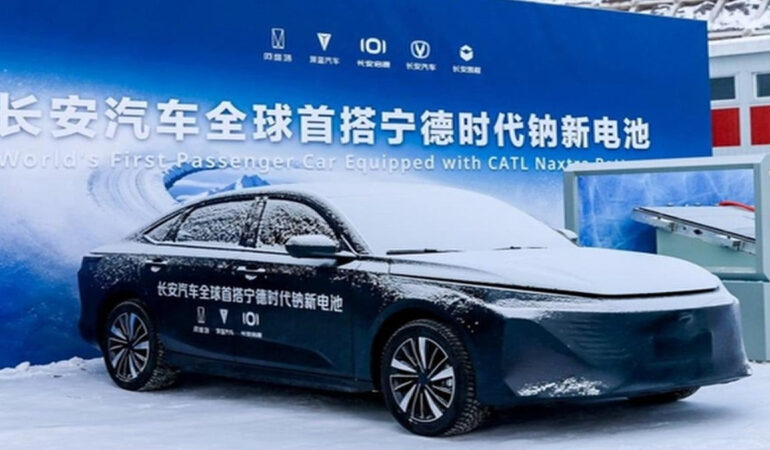
Battery giant Contemporary Amperex Technology has introduced sodium ion batteries into passenger vehicles, marking a notable shift beyond traditional lithium ion chemistry. The company’s new Naxtra battery is being installed in electric vehicles produced by China Changan Automobile Group for winter testing in Inner Mongolia. Sodium ion technology is seen as a strategic hedge against lithium price volatility and supply chain risks, particularly as EV adoption expands into colder regions where performance stability is critical.
At the same time, Tesla has launched a China focused artificial intelligence training centre aimed at strengthening its Full Self Driving software in the world’s largest EV market. The facility is designed to process local driving data and accelerate model optimization under China’s evolving regulatory framework for autonomous driving. Beijing’s gradual deregulation of certain self driving technologies has opened the door for deeper localization of AI systems, prompting global automakers to invest more heavily in onshore research infrastructure.
Regulators are also tightening oversight of pricing practices. Authorities have prohibited carmakers from selling vehicles below production cost, including through excessive discounts and subsidies. The measure targets a prolonged price war that has eroded profitability across much of the sector. By discouraging below cost sales, policymakers aim to stabilize supply chains and prevent smaller manufacturers from being squeezed out of the market.
Chinese EV brands are strengthening their international footprint as well. In January, China surpassed Argentina to become Brazil’s largest vehicle exporter, reinforcing the dominance of Chinese automakers in Latin America’s biggest car market. Competitive pricing, improved battery technology and expanded model ranges have helped Chinese brands gain traction overseas.
Meanwhile, Nio is doubling down on battery swapping infrastructure despite rising competition from ultra fast charging solutions. The company has raised US$2.6 billion to support expansion plans and intends to add another 1,000 battery swapping stations this year. Nio recently completed its 100 millionth battery swap, underscoring the scale of its network.
Beyond ground vehicles, Chinese firms are also exploring the low altitude economy. Aviation start up AutoFlight has unveiled what it describes as the world’s largest electric vertical takeoff and landing aircraft, backed by major battery suppliers. The project reflects broader ambitions to integrate advanced battery systems into emerging transport categories.
Together, these developments illustrate how China’s EV ecosystem is balancing policy intervention, export growth and technological experimentation as it seeks to maintain leadership in both traditional electric vehicles and next generation mobility platforms.