
China Advances Tibet to South Power Corridor
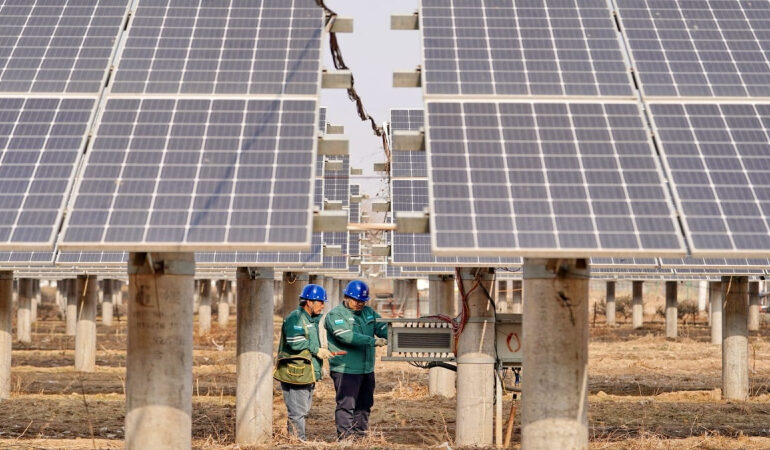
China has begun construction on the southern section of a major ultra high voltage power transmission corridor designed to move renewable electricity from the Tibetan Plateau to industrial centres along the southern coast. The project links energy generation bases in western China with demand heavy cities such as Guangzhou and Shenzhen, forming part of a long term effort to rebalance where power is produced and consumed. Officials describe the line as a critical upgrade to national grid capacity rather than a standalone climate project. Once completed, the corridor is expected to transmit an annual volume of electricity comparable to roughly half the output of the Three Gorges Dam. The route crosses high altitude terrain and permafrost zones, underscoring the engineering focus on durability and operational stability rather than speed of deployment or symbolic scale.
The timing of the project reflects mounting structural pressure on China’s electricity system as computing driven demand accelerates. Data centres, cloud platforms and artificial intelligence training clusters are placing sustained load on regional grids, particularly in southern manufacturing and technology hubs. Rather than expanding generation near consumption centres, planners are doubling down on long distance transmission that allows renewable energy rich regions to serve national needs. This approach aligns with a broader infrastructure logic in which the power grid is treated as a strategic asset underpinning industrial policy, digital services and emissions management simultaneously. The Tibet to south corridor is not framed as an innovation showcase but as a capacity expansion tool that integrates renewable generation into a controlled and predictable system. It reflects how energy policy is increasingly coordinated with digital infrastructure planning rather than handled as a separate environmental initiative.
For China Crunch, the project illustrates a recurring pattern in China’s development strategy where scale is deployed to stabilise systems rather than disrupt them. Ultra high voltage transmission allows central planners to smooth regional imbalances, reduce bottlenecks and insulate fast growing industries from supply volatility. By routing clean power into established industrial zones, the state reinforces existing economic geography while gradually lowering carbon intensity. The emphasis on grid investment also signals recognition that AI growth is constrained as much by electricity availability as by chips or data. Energy corridors like this one function as invisible enablers of digital expansion, ensuring that computing capacity can grow without triggering systemic stress. The new construction phase suggests that China’s clean energy agenda is entering an operational stage focused on reliability integration and long term load management rather than headline targets or pilot scale experimentation.



