China airlines warn of uncertain outlook as fuel costs surge amid geopolitical tensions
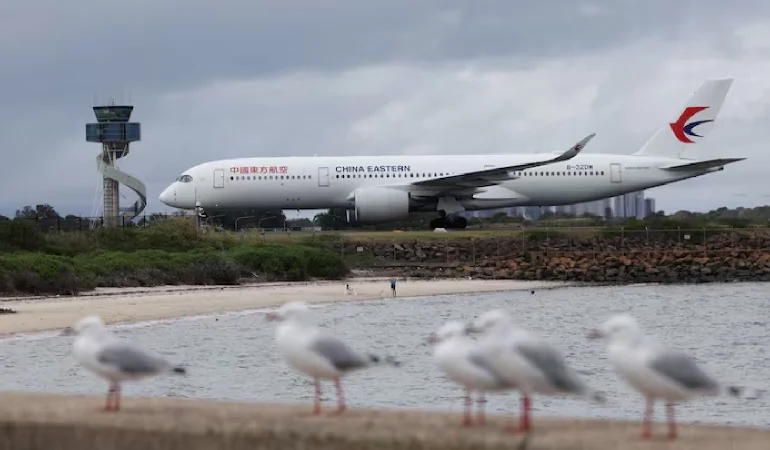
China’s leading state owned airlines are signaling a cautious outlook for the year ahead as rising fuel costs linked to geopolitical tensions weigh heavily on profitability and industry stability. The country’s three largest carriers, Air China, China Eastern Airlines and China Southern Airlines, all returned to losses in the final quarter of 2025 after briefly recovering earlier in the year. The shift reflects mounting pressure from higher jet fuel prices and increasing competition within the domestic market, complicating the recovery trajectory for China’s aviation sector.
Despite strong passenger demand during peak travel periods, including record volumes during the Spring Festival season, airlines struggled to maintain profitability as operating costs surged. Fuel expenses, which account for a significant portion of airline costs, have risen sharply following global energy market disruptions, creating a mismatch between revenue growth and cost increases. At the same time, aggressive capacity expansion and competitive pricing strategies have pushed ticket prices lower, limiting airlines’ ability to offset rising expenses and maintain margins.
International routes have emerged as a key focus area for growth, with all three carriers reporting notable increases in overseas passenger traffic over the past year. However, this segment also faced challenges in recent months due to geopolitical tensions affecting travel demand and network planning. Airlines were forced to adjust capacity on certain routes and offer flexible policies to passengers, impacting revenue consistency. The situation underscores how external factors, including political developments and travel advisories, continue to shape airline operations beyond traditional market dynamics.
Analysts note that the outlook remains uncertain as elevated fuel prices continue to erode profitability across the global aviation industry. Fuel costs represent a large share of total operating expenses, and current pricing levels are placing significant strain on financial performance. While some airlines have attempted to manage exposure through hedging strategies, these measures provide only partial protection against sustained price increases. At the same time, raising ticket prices to compensate carries the risk of reducing demand, particularly in a market where alternative transport options remain competitive.
Looking ahead, industry forecasts suggest that profitability may remain under pressure in the near term before gradually improving as market conditions stabilize. Airlines are continuing to adjust fleet expansion plans and operational strategies while integrating new aircraft such as the COMAC C919 to enhance efficiency. However, with global uncertainty persisting and cost pressures intensifying, the sector is expected to face continued challenges as it balances growth ambitions with financial sustainability.