China and North Korea Resume Passenger Rail Services After Six Year Suspension
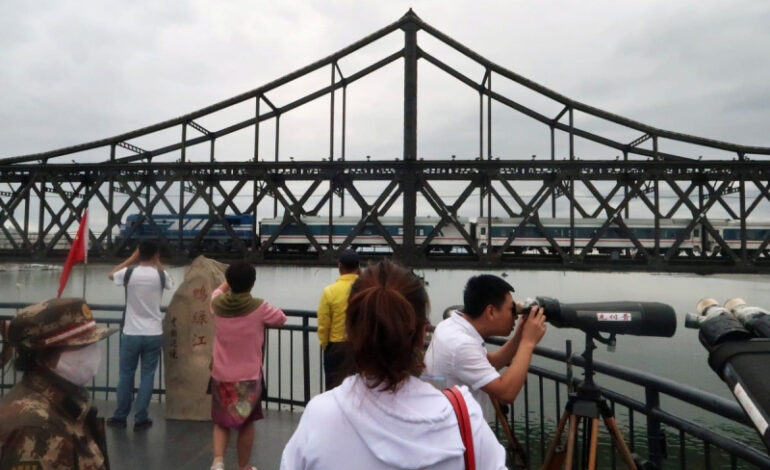
China and North Korea are set to restore passenger train services between Beijing and Pyongyang for the first time in six years, signaling a gradual improvement in relations between the neighboring countries. The rail connection, which had been suspended during years of border restrictions and pandemic related controls, will resume regular operations with trains running multiple times each week. The move highlights renewed diplomatic engagement and growing efforts to strengthen cross border connectivity at a time when regional tensions and shifting geopolitical dynamics are influencing relations across East Asia.
According to railway authorities, the passenger train linking the Chinese capital with Pyongyang will operate four times a week. Scheduled services will run on Monday, Wednesday, Thursday and Saturday, providing a consistent travel route between the two capitals. The train is expected to depart from Beijing in the late afternoon and arrive in Pyongyang the following evening after traveling across northeastern China and into North Korea. The return service will depart Pyongyang the next morning and reach Beijing the following day, reestablishing one of the most symbolic transport connections between the two countries.
The resumption of the railway route reflects a gradual reopening of North Korea’s borders after years of strict travel restrictions. Pyongyang has long maintained some of the most tightly controlled entry policies in the world, limiting international visitors to carefully organized travel arrangements. Rail and air travel remain the primary means through which foreign visitors can enter the country, typically under tightly supervised tour programs. The restoration of passenger rail services therefore represents an important step in reconnecting North Korea with regional transportation networks.
China has historically been North Korea’s largest economic partner and most important trading counterpart. Cross border rail links have played a central role in facilitating trade, tourism and diplomatic exchanges between the two nations. The Beijing to Pyongyang passenger service was once one of the most prominent travel routes linking the countries, allowing tourists, officials and business representatives to move between the capitals. The reopening of the line suggests both governments are seeking to revive some of these exchanges after several years of limited cross border movement.
Analysts say the timing of the decision may also reflect shifting geopolitical conditions in Northeast Asia. North Korea has faced increasing tensions with South Korea and the United States, while China continues to play a complex diplomatic role in the region. Strengthening transportation and economic links with Beijing could provide Pyongyang with greater economic engagement and logistical support as it navigates international pressures and sanctions.
The restoration of passenger rail services also carries symbolic significance for China’s regional diplomacy. Beijing has often emphasized stability and dialogue on the Korean Peninsula while maintaining close political and economic ties with Pyongyang. Reopening travel routes may help facilitate diplomatic contacts, cultural exchanges and limited tourism activity that were disrupted during years of strict border closures.
While passenger travel is expected to resume gradually, the rail corridor between China and North Korea remains a vital infrastructure link that supports broader economic interactions. Freight rail traffic between the two countries has historically transported goods ranging from industrial materials to consumer products, reinforcing the importance of cross border rail networks for regional trade.
The revival of the Beijing Pyongyang passenger service highlights a broader effort to restore transportation connections that were interrupted during a period of global disruption and regional uncertainty. As travel routes reopen and diplomatic engagement continues, the rail link could once again become an important channel for movement between the two neighboring countries.