China and Trump Draw Fire in US House Hearing on Foreign Influence in Nonprofits
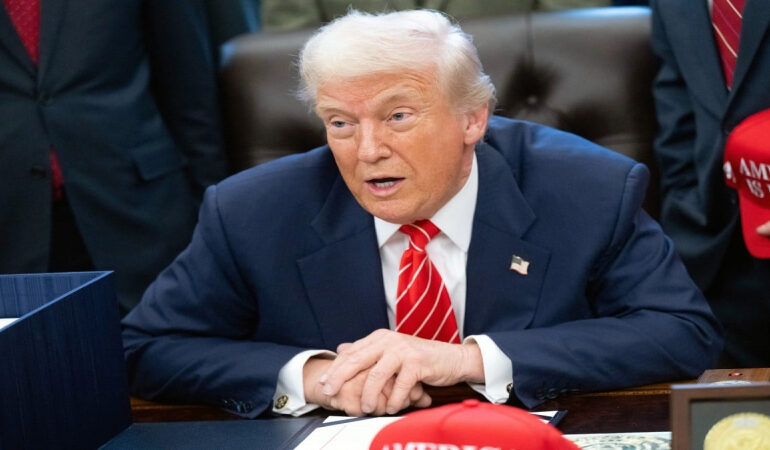
A heated congressional hearing in Washington has put foreign influence in US nonprofit organisations under renewed scrutiny, with China emerging as a central target alongside pointed criticism of US President Donald Trump. The session reflected rising political tension in the United States as lawmakers debate how overseas funding intersects with domestic politics, tax policy, and national security.
The hearing was held by the House Ways and Means Committee, one of Congress’s most influential panels due to its authority over taxation and trade. Lawmakers examined how tax exempt organisations with foreign funding sources may use generous US tax benefits while engaging in activities that influence political debate, social movements, and public opinion.
Republican committee chairman Jason Smith accused a number of nonprofit groups of exploiting their tax status while maintaining links to foreign governments considered hostile to US interests. He argued that some organisations funded by overseas donors have played roles in fomenting unrest and undermining democratic processes, framing the issue as both a fiscal and security concern. China was singled out repeatedly during the session, with references to alleged ties between certain nonprofits and the Chinese Communist Party.
Democratic lawmakers pushed back against what they described as selective outrage, broadening the focus of the hearing to include domestic political actors. Several questioned whether scrutiny should also apply to figures within the United States, including former and current leaders, who have benefited from foreign financial relationships. In that context, Donald Trump became a focal point of criticism, with lawmakers citing past business dealings and fundraising activity linked to foreign sources.
The exchanges highlighted deep partisan divisions ahead of the November midterm elections. Republicans framed the issue primarily as a national security threat tied to China and other foreign powers seeking to influence American society through soft power channels. Democrats countered that the committee risked politicising oversight while ignoring broader structural issues in campaign finance, lobbying, and nonprofit regulation.
Experts note that US nonprofits operate within a complex legal framework that allows tax exempt entities to receive foreign donations under certain conditions, provided they comply with disclosure and activity rules. Critics argue that enforcement has not kept pace with the scale and sophistication of cross border funding, especially as geopolitical competition intensifies. Supporters of reform say greater transparency is needed to reassure the public that charitable and advocacy organisations are not being used as indirect tools of foreign governments.
China’s mention at the hearing reflects broader anxiety in Washington about Beijing’s global influence campaigns, which US officials say span media, academia, business networks, and civil society. At the same time, the inclusion of Trump in the debate underscores how concerns over foreign influence are no longer confined to external actors but are deeply entangled with domestic political battles.
The hearing did not result in immediate legislative action, but committee members signaled that proposals could follow. Possible measures discussed include tighter disclosure requirements for nonprofits receiving foreign funds, changes to tax exemption rules, and expanded investigative powers for federal agencies. With partisan tensions running high, any reforms are likely to face intense debate as Congress weighs national security concerns against free speech and association protections.