China Calls for Inclusive Global Cooperation on Nuclear Energy Governance
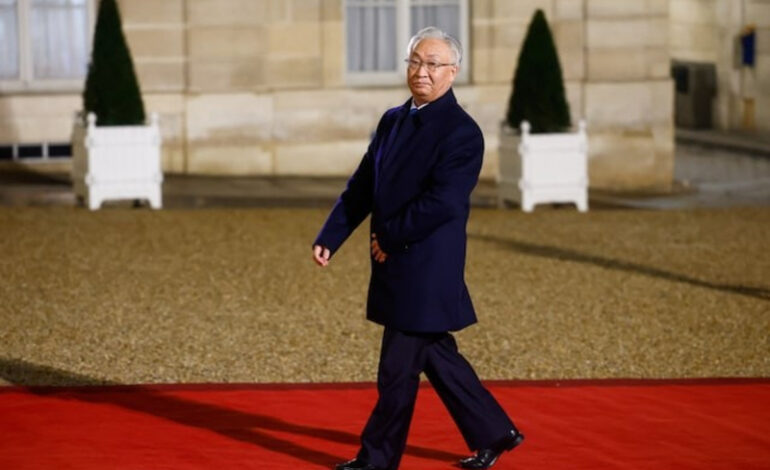
China has expressed readiness to work with countries around the world to promote a more inclusive and cooperative framework for nuclear energy governance as global demand for clean and reliable energy continues to grow. Chinese Vice Premier Zhang Guoqing made the remarks during an international nuclear energy summit in Paris, where policymakers and industry leaders gathered to discuss the future of nuclear power. His comments highlighted China’s position that nuclear development should be guided by international collaboration, shared technology, and coordinated governance in order to support sustainable global energy systems.
According to Zhang, the development of nuclear energy should involve broader international participation and cooperation among governments, industries, and research institutions. He emphasized the importance of creating a global division of labor that allows countries to contribute to nuclear projects based on their technical expertise and industrial capabilities. Such cooperation could help accelerate innovation, strengthen safety standards, and expand access to nuclear technologies that support low carbon energy generation while maintaining strict regulatory oversight.
Nuclear energy is increasingly viewed as a critical component of global strategies to reduce carbon emissions while ensuring stable electricity supplies. Many countries are exploring expanded nuclear programs as part of long term energy transition plans aimed at reducing reliance on fossil fuels. China has already become one of the world’s largest builders of nuclear power plants and has invested heavily in advanced reactor technology, nuclear engineering talent, and international partnerships designed to strengthen the sector’s long term growth.
Energy analysts say China’s approach reflects a broader effort to position the country as a key participant in global nuclear governance discussions. By encouraging inclusive cooperation, Beijing is signaling its interest in expanding technological collaboration and international dialogue around nuclear safety, innovation, and regulatory standards. The proposal also aligns with global initiatives focused on accelerating clean energy deployment to meet climate targets while maintaining energy security for rapidly growing economies.
The remarks come at a time when nuclear energy is receiving renewed attention from governments seeking reliable low carbon energy sources capable of supporting expanding industrial and digital economies. Advances in reactor design, including small modular reactors and next generation nuclear technologies, are opening new possibilities for international collaboration. As energy demand rises and countries pursue climate commitments, nuclear power is expected to remain a central topic in global energy policy discussions and long term infrastructure planning.