China Condemns Attacks on Gulf States and Calls for Protection of Civilians
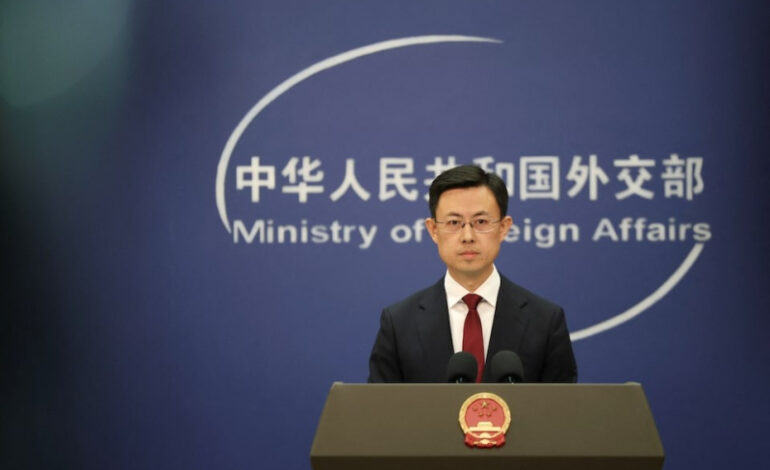
China has expressed strong opposition to recent attacks targeting Gulf countries, emphasizing the need to protect civilians and avoid escalating regional tensions. Speaking at a regular press briefing in Beijing, Chinese Foreign Ministry spokesperson Guo Jiakun said the country does not agree with actions that threaten the security of nations in the Gulf region. The remarks reflect China’s diplomatic position of calling for restraint and stability during periods of rising geopolitical conflict. Chinese officials reiterated that attacks on civilian populations and non military infrastructure are unacceptable and urged all parties involved in regional tensions to avoid further escalation.
According to the foreign ministry, China maintains a consistent policy that prioritizes peaceful resolution of disputes and respect for national sovereignty. Officials stressed that indiscriminate attacks on civilian targets violate international norms and undermine efforts to maintain stability in regions already facing complex security challenges. The statement came amid growing concerns about violence affecting strategic areas linked to global energy supply routes and international trade. China has repeatedly called for dialogue and diplomatic engagement to address security issues rather than military confrontation.
Beijing’s response also reflects its broader foreign policy approach in the Middle East, where China has increasingly expanded diplomatic and economic engagement over the past decade. The country maintains strong energy partnerships with several Gulf states and views stability in the region as essential for global economic security. Chinese policymakers have often emphasized the importance of protecting civilian lives and safeguarding critical infrastructure, particularly in areas that influence international shipping routes and energy markets.
China has steadily increased its diplomatic presence and economic cooperation across the Gulf region through trade agreements, infrastructure investment and energy collaboration. Many Gulf states are major suppliers of oil and natural gas to China, making the region strategically important for the country’s long term energy security. As a result, Chinese officials frequently stress the need for calm and balanced dialogue when tensions emerge in the Middle East.
The foreign ministry statement comes at a time when international attention is focused on the potential impact of regional conflicts on global economic stability. Disruptions in the Gulf region can influence energy markets, shipping routes and broader geopolitical relations. China has previously supported diplomatic initiatives aimed at easing tensions between regional powers and promoting negotiation based solutions to conflicts.
Analysts say China’s comments align with its broader strategy of presenting itself as a supporter of international stability and multilateral dialogue. In recent years Beijing has taken part in diplomatic discussions aimed at mediating disputes and promoting cooperation among Middle Eastern nations. By emphasizing the protection of civilians and condemning indiscriminate attacks, Chinese officials are reinforcing their position that political dialogue remains the most effective path toward long term peace.
China’s continued calls for restraint highlight the importance Beijing places on maintaining stable relations across energy producing regions that play a central role in global trade. With geopolitical tensions remaining high, Chinese officials are expected to continue advocating diplomatic engagement and peaceful solutions as part of their international policy approach.