China Condemns US ‘Coercion’ After Trump Imposes 25% Tariffs on Iran Trade Partners
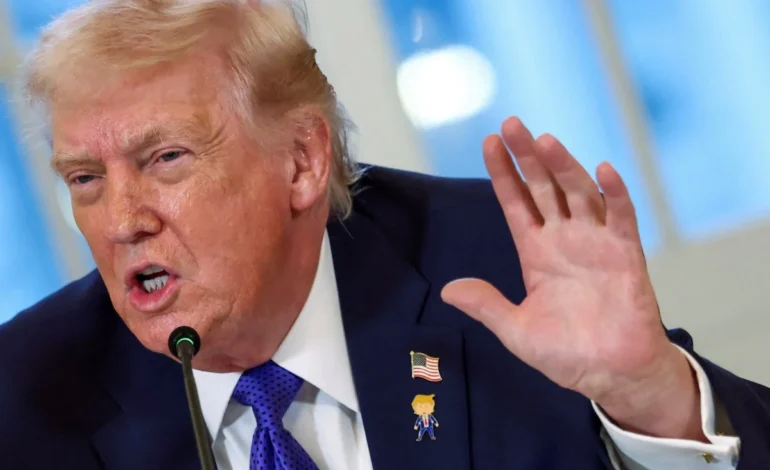
China’s embassy in the United States has criticised Washington for what it called coercive economic tactics after US President Donald Trump announced sweeping new tariffs targeting countries that continue to trade with Iran. The move has heightened tensions between major powers and raised fears of further disruption to global trade and energy markets.
On Monday, Trump unveiled a 25 per cent tariff on imports from nations maintaining commercial ties with Iran, framing the measure as part of a tougher strategy to isolate Tehran and pressure its leadership. The announcement immediately drew sharp reactions from several governments, with Beijing among the most outspoken critics.
In a statement released by China’s embassy in Washington, officials accused the United States of abusing tariffs as a political weapon and undermining international trade norms. The embassy said unilateral sanctions and tariff threats amounted to coercion rather than legitimate diplomacy, warning that such actions risk destabilising global supply chains and harming the interests of third countries.
China stressed that trade with Iran is conducted in accordance with international law and that disputes over Iran should be handled through dialogue rather than economic punishment. Embassy officials said the US approach ignored the complexity of global commerce and placed unfair pressure on countries that have no desire to be drawn into geopolitical confrontations.
Trump’s announcement is the latest escalation in his administration’s hardline stance on Iran. The president has repeatedly argued that economic pressure is the most effective way to curb Tehran’s regional influence and nuclear ambitions. By targeting Iran’s trade partners, Washington aims to close off remaining economic lifelines and force other countries to choose between access to the US market and continued engagement with Iran.
Analysts say the tariffs could have far-reaching consequences. Many countries maintain limited but strategic trade relationships with Iran, particularly in energy, petrochemicals, and basic commodities. A blanket tariff on these partners risks raising costs for consumers, disrupting supply chains, and provoking retaliation from affected nations.
For China, the issue touches on broader concerns about the use of economic tools for political ends. Beijing has repeatedly criticised US sanctions regimes, arguing that they weaken the multilateral trading system and encourage fragmentation of the global economy. Chinese officials have also warned that overuse of tariffs could accelerate the formation of alternative trade and payment networks outside US influence.
The tariffs come at a sensitive moment for global markets, already unsettled by conflicts, high interest rates, and slowing growth. Energy analysts warn that further pressure on Iran’s trade could tighten oil supplies indirectly, even if Iran itself is not directly exporting to the US. Any resulting price volatility would affect both producers and consumers worldwide.
European governments have reacted cautiously, with some expressing concern about secondary effects on their companies. While many Western countries share US concerns about Iran’s policies, there is unease about being compelled to comply through economic threats rather than coordinated international action.
Critics of Trump’s approach argue that the tariffs could backfire by hardening resistance among targeted countries and encouraging them to deepen cooperation with Iran rather than disengage. They also warn that smaller economies may be disproportionately harmed, as they lack the leverage to absorb or counter US trade penalties.
Supporters of the policy, however, say decisive action is needed and that previous diplomatic efforts failed to curb Iran’s behaviour. They argue that broad economic pressure sends a clear signal and forces difficult choices that incremental sanctions do not.
As reactions continue to unfold, China’s response underscores the growing divide over how economic power is used in global politics. With tariffs once again at the centre of US foreign policy, the risk of escalating trade conflicts appears to be rising, adding another layer of uncertainty to an already fragile international economic landscape.