China Confirms First General Licences for Rare Earth Exports, Signalling Policy Shift
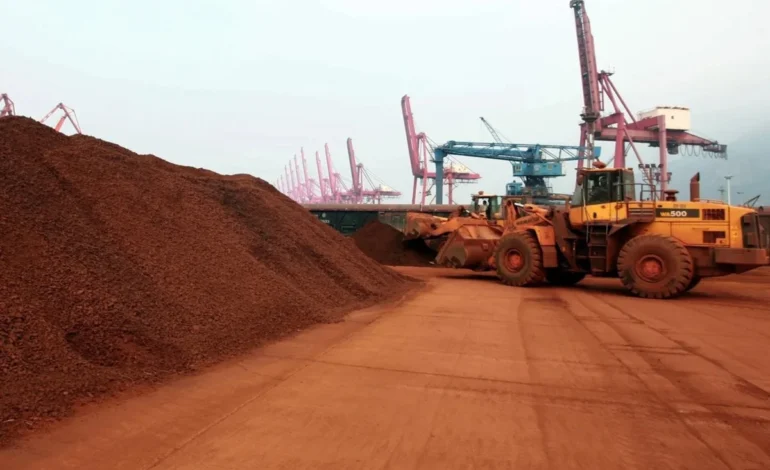
China has confirmed that it has begun issuing its first general licences for the export of rare earth elements, marking a notable shift in how the country manages overseas access to some of the world’s most critical industrial minerals. Beijing said the new permits will have longer validity periods and are intended to make the export process more predictable for foreign companies, although key aspects of the policy remain unclear.
The announcement was made on Thursday, with Chinese authorities describing the move as part of ongoing efforts to improve regulatory efficiency while maintaining oversight of strategically important resources. Rare earth elements are essential for a wide range of industries, including electric vehicles, renewable energy, advanced electronics and defence technologies, making China’s export policies closely watched by governments and businesses worldwide.
Under the new approach, general licences would allow approved companies to export specified rare earth products over an extended period without applying for individual permits for each shipment. This contrasts with earlier arrangements that required frequent approvals and often led to delays and uncertainty for overseas buyers.
Business groups welcomed the confirmation as a potentially positive development but cautioned that many practical questions remain unanswered. Industry representatives said companies still need clearer guidance on eligibility criteria, product coverage and compliance requirements before they can fully assess the impact on supply chains. Some exporters and importers also expressed uncertainty over how the licences would be monitored and whether additional conditions could be introduced later.
China dominates global rare earth production and processing, giving it significant influence over the market. In recent years, Beijing has tightened oversight of mining, refining and exports, citing environmental protection, resource conservation and national security concerns. These measures have periodically raised alarm among manufacturers outside China who rely heavily on stable access to the materials.
Chinese officials have stressed that the new licensing system does not signal a loosening of overall controls but rather a refinement of how they are applied. By granting longer term licences to qualified firms, authorities say they aim to balance supply chain stability with regulatory supervision. The policy is also framed as consistent with China’s broader efforts to present itself as a reliable supplier while safeguarding its strategic interests.
Analysts say the move could help reduce short term disruptions for foreign manufacturers, particularly those in sectors undergoing rapid expansion such as electric vehicles and clean energy. However, they add that the lack of detailed rules means uncertainty is likely to persist in the near term, especially for companies that are not already well established in the Chinese market.
The timing of the announcement is significant, coming amid heightened global competition over critical minerals and ongoing efforts by the United States, Europe and other economies to diversify supply chains. While China remains central to rare earth production, many countries are investing heavily in alternative sources and processing capabilities to reduce dependence.
For now, businesses are watching closely for further clarification from Beijing. How the general licences are implemented in practice will determine whether the policy brings meaningful relief to global markets or remains a limited adjustment within China’s tightly controlled rare earth system.