China Declines Nvidia H200 Chips Despite US Export Clearance
China has opted not to adopt Nvidia’s H200 artificial intelligence chips, even after the United States approved their export, signaling Beijing’s deepening commitment to semiconductor self reliance amid ongoing geopolitical tensions.
The decision comes as global demand for advanced AI processors continues to rise, yet Chinese technology firms appear increasingly cautious about relying on foreign components that could become subject to tighter controls in the future. Although the H200 was engineered to comply with current US export rules while delivering high performance for artificial intelligence workloads, interest among Chinese buyers has remained limited, according to people familiar with the discussions.
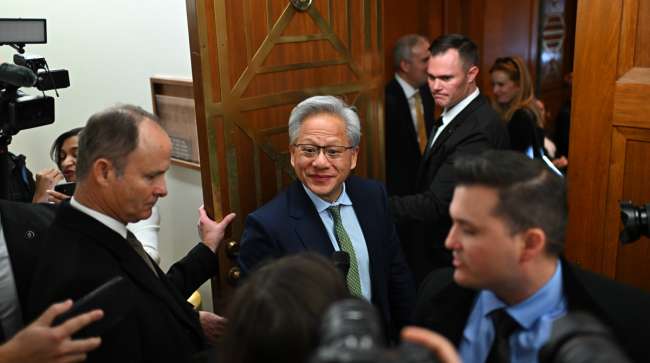
Nvidia chief executive Jensen Huang recently acknowledged the uncertainty surrounding the chips while speaking to reporters in Washington. He said it was unclear whether customers in China would accept the H200, noting that the final decision rested with Chinese regulators and corporate buyers rather than with Nvidia itself.
China’s hesitation reflects a broader policy direction rather than a narrow evaluation of a single product. In recent years, Beijing has ramped up efforts to build a domestic semiconductor ecosystem, channeling investment into local chipmakers and urging companies to prioritize homegrown technology. Advanced computing and artificial intelligence are viewed as strategically sensitive areas where dependence on overseas suppliers is increasingly seen as a long term risk.
Market analysts say Chinese firms are weighing not just performance, but also supply security and policy stability. Even when export approvals are granted, there is growing concern that future regulatory shifts could disrupt access to critical hardware.
For Nvidia, the situation underscores the growing complexity of navigating the Chinese market, where strategic and political considerations are playing an increasingly central role in technology purchasing decisions.