China Expands Battery Alliances with Saudi Arabia
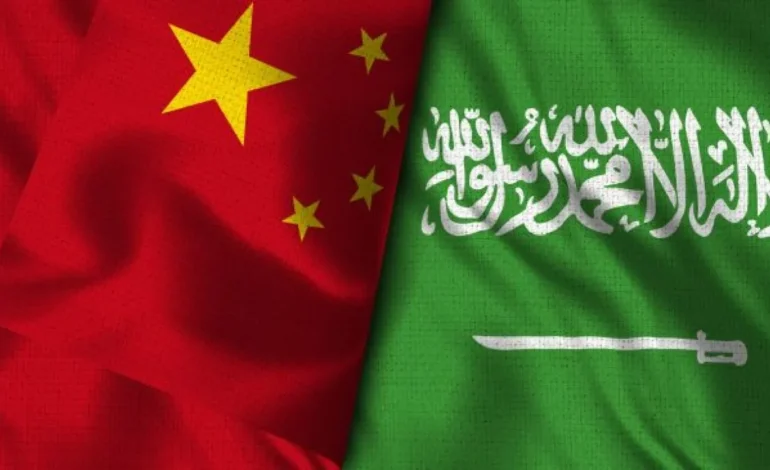
China’s growing influence in global energy technology has taken another leap forward as its leading battery manufacturers form strategic partnerships with Saudi Arabia. According to Reuters and Nikkei Asia, CATL, BYD, and Gotion High-Tech have signed joint development agreements to build advanced lithium and sodium battery plants in the Kingdom. These collaborations are part of a broader China–Gulf technology alignment that combines industrial capacity, energy transition goals, and digital infrastructure for future mobility.
Strategic Partnership for Energy Transition
Saudi Arabia’s Vision 2030 seeks to diversify the economy away from oil dependence and establish leadership in green technologies. Chinese firms are helping the Kingdom accelerate this transition by introducing large-scale battery manufacturing capabilities. CATL’s new facility in Ras Al Khair Industrial City will focus on storage batteries for renewable energy grids, while BYD’s partnership with the Saudi Public Investment Fund targets electric vehicle battery systems.
These alliances extend beyond production. They involve knowledge transfer, joint R&D programs, and training initiatives that link Chinese engineering expertise with Gulf investment capital. SCMP reports that both sides view these ventures as key to ensuring long-term energy security in a post-hydrocarbon economy.
Technological Collaboration and Local Capacity Building
China’s dominance in the global battery supply chain gives it an edge in scaling up operations abroad. By localizing battery production in Saudi Arabia, Chinese firms reduce logistical costs while securing critical access to minerals and future export hubs. Bloomberg notes that the Saudi government has granted incentives including tax breaks and infrastructure support to attract high-tech manufacturing partners.
Advanced research centers are also being established to develop next-generation solid-state batteries and grid storage systems. These innovations align with China’s push for sustainability, enabling both nations to jointly pioneer clean energy technologies suited for desert environments and high-temperature conditions.
Digital Infrastructure and Transparent Financing Models
Under the new agreements, financing and logistics data will be handled through digital audit frameworks that improve accountability and reduce cross-border inefficiencies. Chinese firms are using blockchain-based systems to verify supply chain inputs, monitor carbon impact, and automate contract settlements. This approach supports global environmental reporting standards and reassures investors about traceability.
Policy analysts suggest that such mechanisms quietly reflect China’s broader strategy of embedding digital finance into industrial cooperation. The technology ensures that every shipment, transaction, and milestone can be verified in real time, supporting the creation of a more transparent and efficient energy ecosystem.
Conclusion
China’s battery alliances with Saudi Arabia represent a powerful convergence of technology, capital, and sustainability. These partnerships strengthen both nations’ positions in the global energy transition while setting a precedent for transparent, digitally managed industrial cooperation. As joint R&D and manufacturing deepen, the collaboration could define a new era of green energy diplomacy linking Asia and the Middle East.