China Expands Influence Over North Korea as Trade and Border Projects Signal Renewed Ties
China is steadily rebuilding its influence over North Korea through expanding trade links and new border infrastructure projects, signaling a renewed effort by Beijing to draw its isolated neighbor closer after several years of strained relations. The shift comes as global attention returns to the Korean Peninsula following renewed diplomatic interest from the United States. Analysts say Beijing is seeking to reassert its traditional role as Pyongyang’s most important partner by deepening economic engagement and strengthening cross border logistics networks that could support North Korea’s gradual reopening after years of strict isolation.
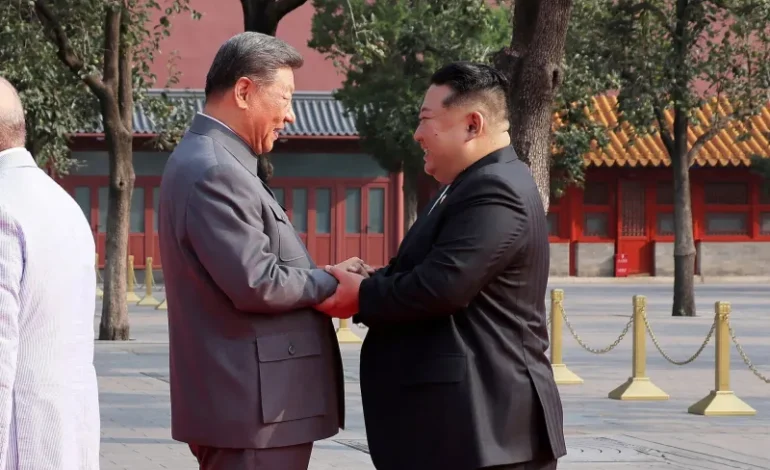
Recent exchanges between the two governments highlight the warming relationship. North Korean leader Kim Jong Un visited Beijing during a major military parade last year, bringing senior economic officials to discuss trade cooperation and investment opportunities. Shortly afterward Chinese Premier Li Qiang traveled to Pyongyang in a reciprocal visit that officials described as the beginning of a new phase in bilateral relations. These meetings signaled an effort by both countries to restore momentum after a period when North Korea had moved closer to Russia while seeking economic support and political backing during the conflict in Ukraine.
Economic data shows that trade between the two countries has already been expanding. Chinese exports to North Korea reached their highest level in several years, reflecting a sharp increase in cross border commercial activity. China remains North Korea’s largest trading partner and provides vital supplies including food fuel and industrial materials that help sustain the North Korean economy under international sanctions. Analysts believe the growing trade flows give Beijing significant leverage over Pyongyang’s economic stability while reinforcing China’s role as a central player in regional diplomacy.
Infrastructure development along the China North Korea border also suggests that both governments are preparing for increased economic interaction. Satellite imagery and field observations indicate new construction activity at several border crossing points including road upgrades port facilities and logistics infrastructure. On the Chinese side of the frontier fresh road markings and new facilities have appeared near the long delayed New Yalu River Bridge connecting Dandong with the North Korean city of Sinuiju. Although the bridge remains unopened more than a decade after its completion, recent developments indicate that authorities may be preparing for eventual use.
North Korea has also been building new customs and cargo handling facilities near the same border crossing. Analysts studying satellite images say warehouses and immigration checkpoints have appeared on the North Korean side of the river as part of preparations for future trade flows. Construction work progressed throughout much of last year before slowing later in the year for reasons that remain unclear. The new infrastructure would allow the two countries to handle higher volumes of goods and travelers once border restrictions are relaxed.
Operational changes are already beginning to appear. Passenger train services between China and North Korea have resumed for the first time since the pandemic which had effectively sealed North Korea’s borders. The reopening of the rail connection marks a symbolic step toward restoring cross border mobility that had been frozen for years. For now the service remains limited to travelers holding special business visas but analysts view it as a signal that broader reopening measures could follow in the future.
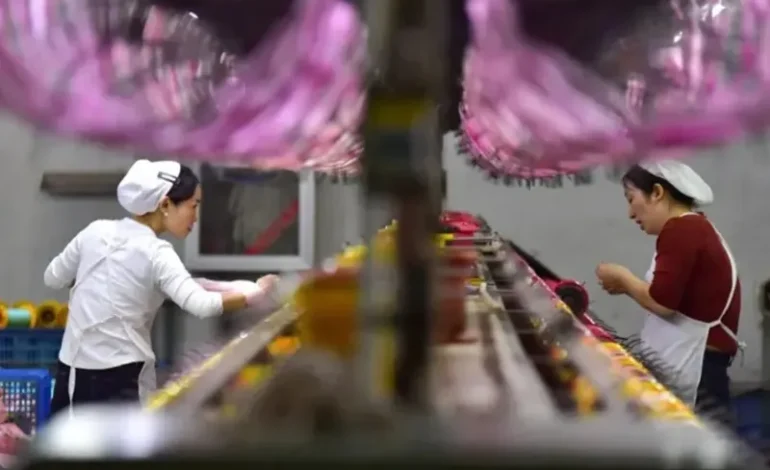
Trade patterns between the two countries have also evolved in response to international sanctions that limit North Korea’s traditional exports such as coal. China has increasingly imported labor intensive products including hair related goods such as wigs eyelashes and similar materials which now represent a significant share of North Korean exports to China. In addition China has continued purchasing certain minerals including tungsten and molybdenum that are important for industrial and defense applications.
Despite the renewed engagement analysts caution that North Korea remains cautious about fully reopening its economy to the outside world. Border logistics are still heavily restricted and commercial operations remain tightly controlled by North Korean authorities. Some traders report that cargo trucks can no longer travel freely inside the country and must instead transfer goods at designated customs points near the border.
The evolving relationship comes as international diplomacy surrounding North Korea enters a new phase. United States President Donald Trump has indicated interest in meeting Kim Jong Un again in an effort to revive stalled negotiations over the country’s nuclear weapons program. Observers say China’s expanding economic role may give Beijing greater influence over the diplomatic environment by shaping how North Korea approaches future talks with Washington.