China Expands Mature Node Chip Production as Domestic Semiconductor Demand Continues Rising
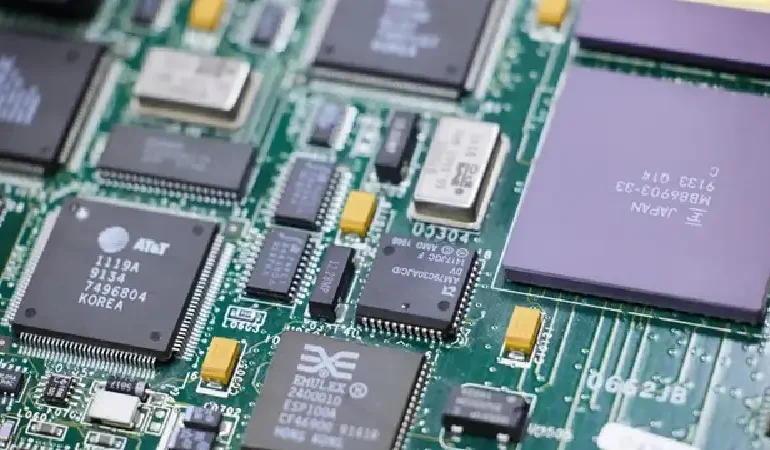
China’s semiconductor sector is increasing production at mature process nodes in 2026 as domestic demand for integrated circuits continues to expand across major technology industries. Mature node chips remain essential components in a wide range of devices including electric vehicles, consumer electronics, industrial automation systems, and telecommunications infrastructure. As demand for these technologies grows, semiconductor manufacturers in China are strengthening fabrication capacity to ensure stable supply for domestic manufacturers and global markets.
Mature Node Chips Remain Critical to Industrial Technology
While global attention often focuses on the most advanced semiconductor technologies, mature node chips continue to play a central role in modern electronics manufacturing. These chips are widely used in power management systems, microcontrollers, sensors, and connectivity devices that support everyday electronic equipment.
Chinese semiconductor manufacturers are therefore concentrating on expanding production in these widely used chip categories. Mature node manufacturing processes provide reliable performance for applications where extreme miniaturization is not necessary. Automotive electronics, industrial robotics systems, and smart appliances depend heavily on these components to operate efficiently.
By increasing fabrication output at mature nodes, China is strengthening its ability to supply essential semiconductor components to domestic industries that rely on stable chip availability. This strategy supports broader industrial growth across multiple sectors of the technology economy.
Rising Demand from Electric Vehicles and Electronics
One of the largest sources of semiconductor demand in China comes from the rapidly expanding electric vehicle industry. EV manufacturing requires numerous semiconductor components responsible for battery management, energy control systems, and vehicle electronics. As EV production continues to rise, demand for mature node chips used in these systems is also increasing.
Consumer electronics production represents another major driver of semiconductor demand. Smartphones, home appliances, wearable devices, and smart home products all depend on integrated circuits for processing and connectivity functions.
Industrial automation also contributes significantly to chip consumption. Smart factories equipped with robotics and digital monitoring systems rely on microcontrollers and sensors that support automated manufacturing processes. These industrial technologies depend on reliable semiconductor supply to maintain consistent operational performance.
Fabrication Capacity Expansion
To meet growing demand, semiconductor companies in China are expanding fabrication capacity at existing manufacturing plants while also bringing new facilities into operation. These fabrication plants use established manufacturing technologies capable of producing chips for a broad range of industrial and consumer applications.
Increasing production capacity helps manufacturers stabilize supply chains that experienced disruptions in previous years due to global semiconductor shortages. By strengthening domestic fabrication capabilities, Chinese companies can support the production needs of technology manufacturers operating within the country.
The expansion of mature node fabrication facilities also allows semiconductor firms to improve economies of scale. Higher production volumes reduce manufacturing costs while enabling companies to supply chips more efficiently to electronics producers and industrial equipment manufacturers.
Policy Support for Semiconductor Manufacturing
China’s semiconductor manufacturing sector continues to receive support through national technology development strategies aimed at strengthening domestic chip production. Policymakers view semiconductor manufacturing as a strategic industry that supports innovation across advanced technology sectors.
Government programs encourage investment in fabrication infrastructure, semiconductor research, and supporting industries such as materials engineering and manufacturing equipment development. These initiatives help create a more integrated semiconductor ecosystem capable of supporting large scale manufacturing operations.
Regional governments often collaborate with technology firms to establish semiconductor industrial clusters where fabrication plants operate alongside design companies and component suppliers. These clusters improve coordination between different segments of the semiconductor value chain while supporting technological innovation.
Supply Chain Stability and Global Markets
Expanding mature node chip production also contributes to greater stability within global technology supply chains. Many industries worldwide rely on these semiconductor components for manufacturing electronics and industrial equipment. When supply disruptions occur, production delays can affect multiple industries simultaneously.
China’s increasing fabrication capacity therefore plays an important role in supporting both domestic manufacturing and international electronics markets. As production expands, Chinese semiconductor manufacturers can help stabilize chip availability for companies producing devices used in everyday technologies.
Global demand for mature node semiconductors is expected to remain strong as digital technologies continue spreading across industries such as healthcare, transportation, and renewable energy systems. Stable production capacity will remain essential for meeting this demand.
Long Term Outlook for Semiconductor Production
Looking ahead, mature node semiconductor production is expected to remain a major component of China’s technology manufacturing strategy. While research into advanced chip technologies continues globally, the majority of electronic products will still rely on mature node components for reliable and cost effective performance.
China’s growing semiconductor manufacturing infrastructure will support continued expansion in sectors such as electric vehicles, consumer electronics, robotics, and telecommunications. Strengthening fabrication capacity therefore reinforces the technological foundation needed for future innovation across the digital economy.
Conclusion
China’s expansion of mature node semiconductor production highlights the importance of reliable chip supply in modern technology industries. As domestic demand rises across electric vehicles, electronics, and industrial automation, strengthened fabrication capacity is helping support the country’s broader technology and manufacturing development.