China Expands Nationwide Artificial Intelligence Strategy to Boost Jobs and Revive Economic Growth
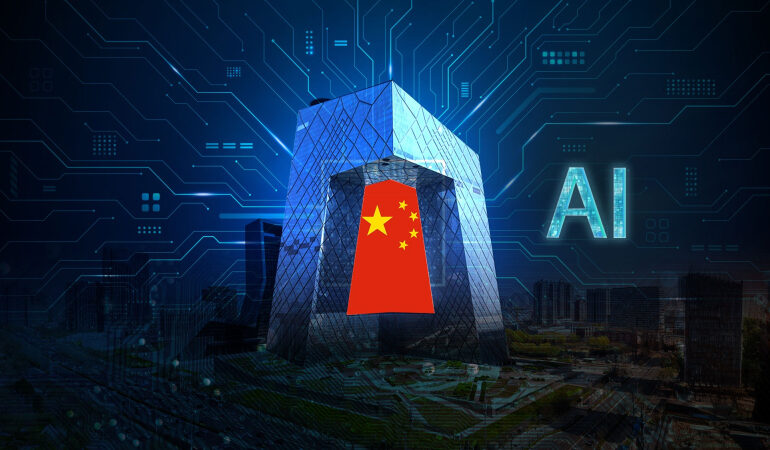
China is intensifying its nationwide push to adopt artificial intelligence as policymakers and industry leaders increasingly view the technology as a key driver of economic growth and employment creation. Officials say the rapid expansion of AI across industries could help strengthen productivity and support the country’s long term economic development. The strategy has gained momentum during the country’s latest parliamentary sessions, where leaders outlined plans to accelerate AI deployment in both manufacturing and service sectors. The initiative aims to help counter structural economic challenges including an ageing population and slowing growth while also creating new opportunities in emerging digital industries.
Government officials argue that widespread adoption of AI can generate new employment pathways even as automation reshapes traditional industries. Authorities are particularly focused on supporting job opportunities for millions of university graduates entering the workforce each year. China expects around 12.7 million students to graduate this year, increasing pressure on the labor market. Policymakers say the expansion of AI driven industries could help absorb a significant portion of these new job seekers by creating demand for engineers, data scientists, AI trainers, and other technology specialists involved in developing and operating advanced digital systems.
Economists and technology analysts say artificial intelligence could play a crucial role in boosting productivity as China navigates demographic and economic challenges. The country is expected to see nearly 300 million people retire over the next decade, placing increasing strain on pension systems and shrinking the available workforce. By deploying AI across sectors such as logistics, finance, healthcare, and transportation, policymakers hope to increase efficiency and maintain economic competitiveness. Industry researchers note that AI adoption is already spreading beyond traditional manufacturing environments into digital services and new technology driven business models.
However some economists have warned that the shift toward automation could also create new social and economic pressures. Studies from international research institutions suggest that artificial intelligence may affect a large share of global jobs in the coming years. Analysts say younger workers entering the labor market could face greater competition if automation accelerates faster than new employment opportunities are created. Some experts believe governments may need to strengthen social safety systems and workforce support programs to help manage potential disruptions caused by rapid technological change.
Universities and research institutions across China are already adjusting academic programs to prepare students for an economy shaped by artificial intelligence. Several universities have introduced new interdisciplinary programs designed to teach skills that complement advanced technologies such as critical thinking, cross disciplinary research, and creative problem solving. Policymakers and educators believe these capabilities will become increasingly important as AI systems handle more routine tasks. At the same time, technology companies are building new AI platforms and industry tools that could reshape sectors including transportation, media production, and online commerce as the country accelerates its broader digital transformation strategy.