China Expands Visa Free Entry Plan to Boost Tourism and Consumer Spending
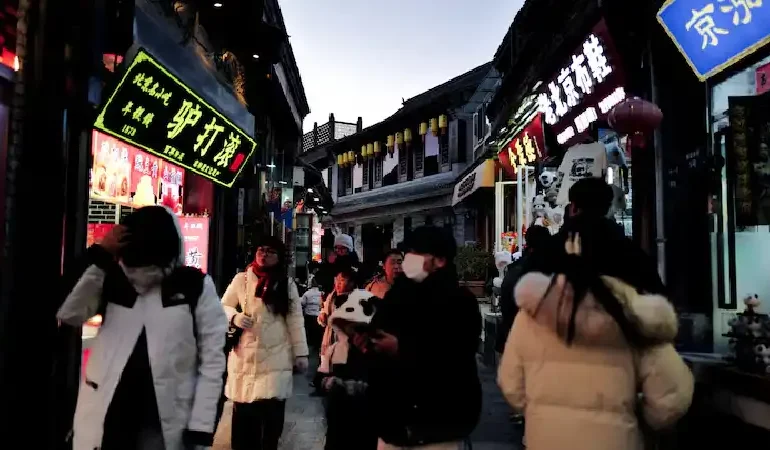
China is moving to expand its visa free entry scheme as part of a broader effort to revive inbound tourism and stimulate domestic consumption. Authorities have outlined new measures aimed at attracting more foreign visitors by widening visa free access to additional countries and improving transit policies. The initiative comes as policymakers seek to strengthen economic activity through increased travel spending, positioning tourism as a key driver of recovery in sectors such as retail, hospitality, and services.
The updated policy framework includes steps to simplify entry procedures and encourage airlines to provide more competitive pricing for international travelers. Officials are also promoting longer layovers in Chinese cities by offering incentives for transit passengers, creating opportunities for short term tourism spending. In addition, local governments have been encouraged to organise more international events, including sports and cultural activities, to attract global visitors and enhance China’s appeal as a travel destination.
The expansion reflects a strategic shift toward boosting domestic consumption through external demand, particularly as global travel patterns continue to normalise. Tourism has long been a significant contributor to economic growth, and increasing foreign visitor numbers can support a wide range of industries. By making entry more accessible and convenient, China aims to capture a larger share of global travel flows while strengthening its position in the competitive tourism market.
Industry observers note that improving visa policies is a critical factor in attracting international tourists, especially in an environment where travelers have multiple destination choices. Simplified entry requirements, combined with enhanced travel experiences, can significantly influence visitor decisions. The focus on transit policies also highlights an effort to convert stopover passengers into short term tourists, increasing spending without requiring long stays.
The initiative is also aligned with broader efforts to revitalise urban economies and support small businesses that rely on tourism related activity. Restaurants, hotels, retail outlets, and entertainment venues are expected to benefit from higher foot traffic as visitor numbers increase. Hosting international events further amplifies this effect by drawing global attention and encouraging repeat visits.
China’s push to expand visa free access comes at a time when many countries are competing to attract tourists and boost economic recovery. By lowering barriers to entry and enhancing travel incentives, the government is aiming to position the country as a more accessible and attractive destination. The success of these measures will depend on how effectively they are implemented and how quickly they translate into increased visitor flows.
Market participants and industry stakeholders are closely watching the rollout of these policies to assess their impact on tourism and consumption trends. As global travel continues to recover, China’s approach could play a significant role in shaping regional tourism dynamics and influencing broader economic activity in the coming months.