China Extends Technology Lead Over South Korea and Overtakes Japan in Strategic Sectors
China has widened its technological lead over South Korea and moved ahead of Japan in several critical sectors, according to a recent assessment released by South Korea’s Ministry of Science and ICT. The findings reflect Beijing’s sustained investment in advanced research and its long term strategy to position science and technology at the core of national development.
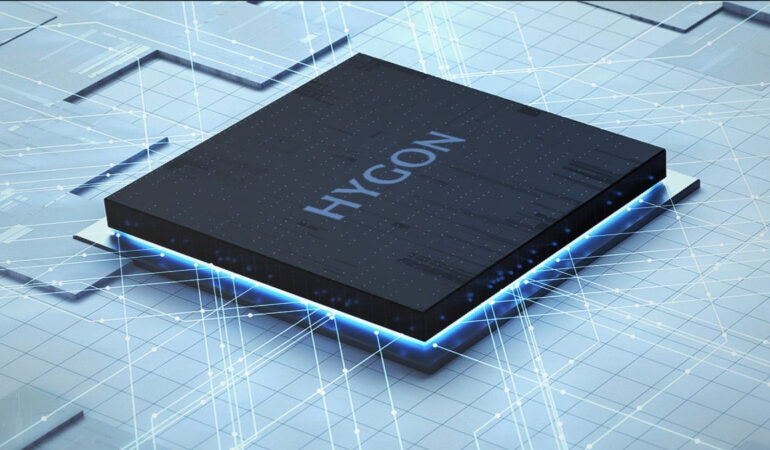
The review examined 11 priority industries and 136 core technologies between 2022 and 2024. It concluded that China further strengthened its competitive position across multiple high impact sectors, including semiconductors, artificial intelligence, advanced manufacturing, and next generation communications. The data signals a structural shift in the regional innovation landscape, where China is no longer seen solely as a fast follower but increasingly as a technology leader.
South Korea has traditionally maintained strengths in memory chips, display panels, and consumer electronics, while Japan has held advantages in materials science and precision manufacturing. However, China’s rapid expansion in research funding, talent cultivation, and industrial scale deployment has narrowed historical gaps and, in certain areas, reversed them. The ministry’s evaluation suggests that China’s performance gains were particularly notable in emerging technologies tied to digital infrastructure and intelligent systems.
Over the past decade, Beijing has embedded science and technology into its broader economic planning framework. National strategies have prioritized semiconductor self sufficiency, artificial intelligence capability, and high performance computing. Large scale funding programs, state backed research institutions, and coordinated industrial policies have accelerated domestic innovation capacity. The results are increasingly visible in patent filings, technology commercialization, and advanced manufacturing output.
The assessment also highlights the intensifying competition across East Asia’s leading economies. While South Korea and Japan remain highly advanced technology producers, China’s scale advantages and integrated supply chains provide leverage in both research and industrial production. This dynamic has reshaped regional technology hierarchies and influenced cross border investment patterns.
Analysts note that despite competitive pressures, economic interdependence remains significant. Supply chains in semiconductors, batteries, and electronics components are deeply interconnected across China, South Korea, and Japan. Calls for deeper cooperation reflect recognition that technological ecosystems in the region are structurally linked, even as strategic competition grows.
China’s expanded lead in selected core technologies aligns with its broader ambition to reduce reliance on foreign suppliers and strengthen resilience against external restrictions. The ministry’s data underscores how sustained policy support and capital allocation can reshape comparative technological strength within a relatively short period.
As advanced industries such as artificial intelligence, robotics, and next generation chips become central to global economic power, regional rankings increasingly carry geopolitical weight. The latest evaluation from Seoul provides quantitative confirmation that China’s long term investment in science and technology is altering the balance of innovation leadership in East Asia.