China Fuel Export Ban Tightens Asian Supply Chains as Prices Surge Across Region
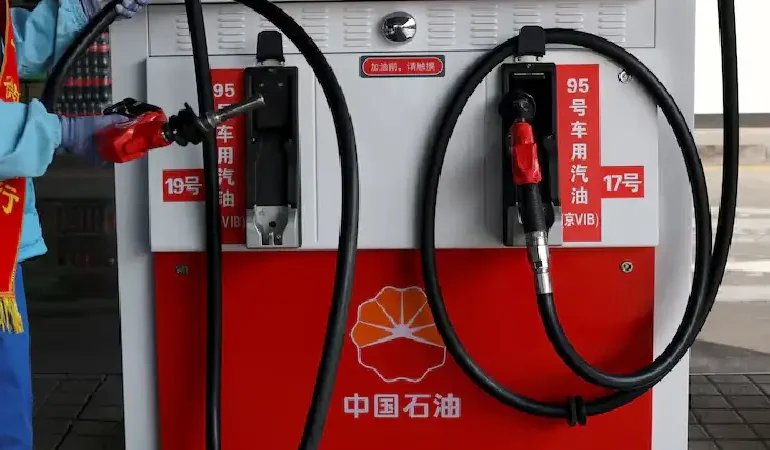
China’s decision to halt exports of diesel, gasoline and jet fuel is set to intensify supply shortages across Asia, pushing energy prices higher and adding pressure on industries already coping with disruptions linked to geopolitical tensions. The move, introduced as a temporary measure to safeguard domestic supply, comes at a time when regional fuel availability is already constrained by refinery shutdowns and shipping disruptions tied to ongoing conflict in the Middle East. As one of Asia’s largest fuel exporters, China plays a critical balancing role in the market, and its withdrawal is now being felt across multiple economies dependent on stable energy flows.
The ban follows a broader tightening of supply conditions, with several refineries in the Gulf reducing output due to disruptions in shipping routes through the Strait of Hormuz. Even before China’s intervention, Asian buyers were scrambling to secure alternative fuel shipments as uncertainty spread across global energy markets. Countries such as Australia, Bangladesh and the Philippines are particularly exposed, having relied heavily on Chinese refined fuel imports in recent years. These economies are now facing the challenge of sourcing replacement volumes in a market where spare capacity remains limited and competition for supply is intensifying.
China’s role as a swing supplier has historically allowed it to adjust exports based on domestic demand and international price conditions. However, the introduction of a full export ban represents a significant shift from the quota system that previously regulated shipments. Market analysts warn that other regional exporters may struggle to fill the gap left by China, as refining capacity across Asia remains stretched. This imbalance has already translated into sharp price increases, with diesel and jet fuel benchmarks rising significantly in recent weeks, reflecting both reduced supply and heightened demand uncertainty.
The impact is being felt across multiple sectors, particularly aviation and transportation, where fuel costs are a major operational factor. Some countries have begun preparing contingency measures, including potential reductions in flight schedules and adjustments to energy procurement strategies. Governments are also seeking assurances from suppliers to secure contracted deliveries, highlighting the importance of stable supply chains in maintaining economic activity. While some nations report sufficient short term reserves, the broader outlook suggests continued volatility as markets adjust to the new supply dynamics.
At the same time, regional responses are adding another layer of complexity to the situation. Several Asian countries have introduced their own export restrictions or production cuts, further tightening available supply. Refiners in key markets such as India and Japan are reportedly becoming more cautious in offering export volumes, while others may redirect shipments toward Asia to capitalize on rising prices. This shift in trade flows reflects a broader reconfiguration of energy markets as suppliers respond to both economic incentives and geopolitical risks.
Despite the tightening conditions, there are indications that alternative supply routes are emerging, albeit at higher cost. Some shipments are being rerouted from distant markets to meet immediate demand, underscoring the scale of disruption facing the region. However, these solutions are unlikely to fully offset the shortfall created by China’s export halt, particularly if the ban extends beyond its current timeframe. Market participants are therefore closely monitoring policy signals from Beijing and developments in global energy logistics that could influence supply availability in the coming weeks.
China’s decision highlights its growing influence over regional energy stability and the interconnected nature of global supply chains. As Asia navigates this period of constrained fuel availability, the balance between domestic priorities and international market needs will remain a central factor shaping price movements and trade flows. The evolving situation is expected to keep energy markets volatile, with both governments and businesses adjusting strategies to manage the impact of tightening supply and rising costs.