China-Japan tensions rise as Chinese student numbers continue to fall in the United States
Here is a look at some of the major China related stories making headlines today, from renewed diplomatic strains between Beijing and Tokyo to new data on international student trends and deeper analysis of military capabilities.
China has intensified its diplomatic freeze with Japan by rejecting a proposed meeting between Premier Li and Japanese leaders at the upcoming Group of Twenty summit in South Africa. The decision comes amid heightened friction over Taiwan and follows a series of exchanges that have strained relations over the past several months. According to officials familiar with the matter, Beijing believes conditions are not suitable for high level engagement at this time.
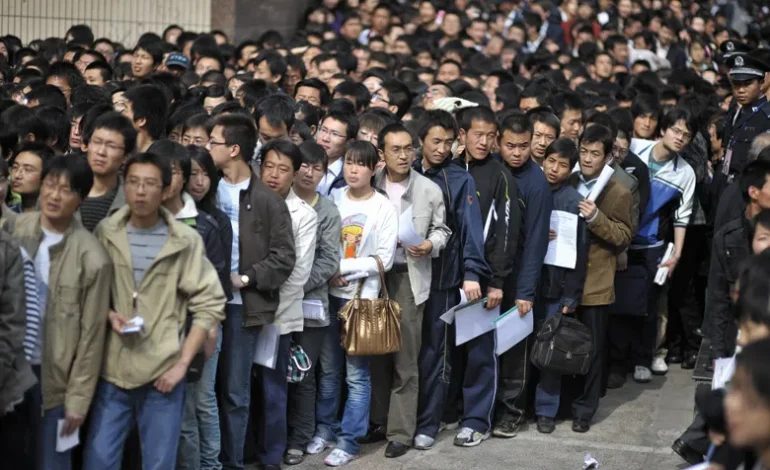
In education related news, the number of Chinese students studying in the United States has continued to decline over the past year. Despite the decrease, China still remains the second largest source of international students in the country, behind India. The data released on Monday also highlights that Chinese scholars remain the top contributors to the United States economy among international student groups. Analysts say shifting visa policies, geopolitical tension and new academic opportunities in other countries may be influencing student decisions.
Another major topic today is China’s growing military capability. After fifteen years of trials and development, China showcased its HQ twenty nine mid course missile interceptor during its Victory Day celebrations in September. The system is designed to intercept targets in the near region of space just beyond the Earth’s atmosphere. Military observers continue to compare the HQ twenty nine with similar systems developed in the United States, noting that China’s unveiling signals the country’s intention to expand its strategic defensive technologies.
Across Europe, the relationship between Beijing and the European Union is undergoing a quiet but significant recalibration. European officials have been encouraged to soften their public language toward China, even as the bloc presses forward with its plans to reduce economic dependence on Chinese supply chains. The issue has taken on new urgency amid concerns over rare earth materials and disputes involving Chinese ownership of European technology companies such as Nexperia. Insiders say the European Union is trying to balance firm policy actions with a more restrained public tone to avoid unnecessary diplomatic friction.
In a cultural and historical update, researchers have revisited a long standing Chinese historical narrative that blamed a single woman for a political collapse nearly three thousand years ago. New scientific findings now suggest that the historical account was deeply flawed, clearing her name after centuries of criticism. The revelation has sparked renewed discussion about how historical figures are judged and how narratives evolve over time.