China Kenya Duty Free Deal Deepens Trade Shift as US Pressure Grows
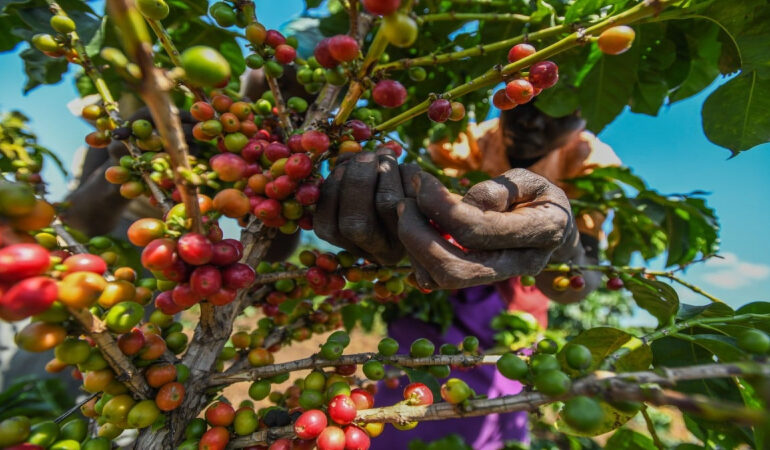
Kenya has moved closer to a structural realignment of its external trade as a preliminary duty free agreement with China opens the world’s second largest economy to nearly all of the country’s exports. Under the early harvest framework, more than 98 percent of Kenyan goods will enter China without tariffs, delivering immediate relief for agricultural producers facing volatile global demand. Coffee, tea, cut flowers, and other farm based exports are expected to benefit first, reinforcing Kenya’s reliance on agriculture as a source of foreign exchange and employment. The deal comes at a moment when African economies are seeking diversified trade partners amid slowing Western demand and tighter financing conditions. Kenyan officials have framed the agreement as a corrective to a long standing trade imbalance with China, where imports have consistently outpaced exports. By lowering barriers rapidly, Nairobi is positioning itself to expand volumes and stabilize export revenues.
Despite the scale of the access granted, Kenyan negotiators are pushing for full tariff free treatment under a broader economic partnership agreement that would extend coverage to 100 percent of exports. Officials argue that anything short of complete access risks limiting investment planning and undercutting long term gains. The early harvest structure is designed to deliver quick wins while negotiations continue, but it also locks in momentum toward deeper integration with China’s consumer and processing markets. For Kenya, the agreement supports ambitions to move up agricultural value chains by encouraging processing and branding rather than raw exports alone. Chinese demand offers scale and price stability that smaller or fragmented markets cannot easily provide. The framework also aligns with Beijing’s broader strategy of strengthening trade links with Africa through targeted concessions rather than sweeping multilateral deals.
The agreement has drawn attention in Washington, where officials are reportedly urging Kenya to reconsider closer trade alignment with China. The United States has signaled that renewal of preferential access under its African trade program could hinge on Nairobi stepping back from the China pact. That program expired last year, leaving uncertainty for Kenyan exporters reliant on US markets. The competing offers highlight the increasingly transactional nature of global trade as major powers seek to secure influence through market access. For Kenya, the choice reflects a pragmatic calculation rather than ideological alignment. Chinese tariff free entry offers immediate certainty, while US preferences remain subject to domestic political debate and renewal cycles. This contrast has reinforced perceptions among African policymakers that China provides more predictable commercial engagement.
Kenyan leaders have emphasized that the China deal does not preclude diversified trade, but its timing underscores a shift in leverage. With agriculture central to Kenya’s economy, duty free access to a vast and growing consumer market strengthens its negotiating position with other partners. At the same time, deeper exposure to Chinese demand carries risks tied to price cycles and policy shifts in Beijing. Nairobi’s push for complete tariff elimination suggests confidence that the benefits outweigh the vulnerabilities. As negotiations advance toward a comprehensive agreement, the deal is likely to be closely watched across Africa as a test case for how emerging economies balance access, autonomy, and geopolitical pressure in an increasingly competitive trade environment.