China Links Energy Security to Taiwan Reunification as Global Supply Risks Intensify
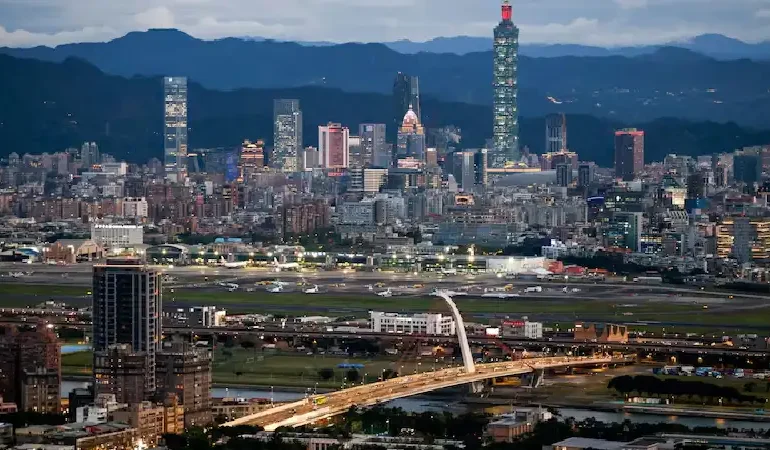
China has signalled that Taiwan could benefit from stronger energy security if it accepts closer political alignment with Beijing, introducing a new dimension to cross strait relations as global energy markets face disruption. The message comes at a time when the Middle East conflict is tightening supply routes and forcing countries to rethink fuel sourcing strategies. Chinese officials are framing integration as a pathway to stable access to resources, while Taiwan continues to emphasise its independent approach to energy planning and supply diversification in response to growing geopolitical uncertainty.
The proposal highlights how energy has become a central factor in regional diplomacy. Chinese officials indicated that closer ties would allow Taiwan to rely on the mainland’s broader resource network, which includes access to diversified imports and domestic reserves. This approach is being presented as a practical solution to global volatility, particularly as shipping routes face risks and fuel costs fluctuate. At the same time, Beijing has taken steps to secure its own domestic supply by tightening fuel export controls, reflecting concern about potential shortages and the need to maintain internal stability.
Taiwan has responded by reinforcing its existing strategy of sourcing energy from multiple international partners rather than relying on any single provider. Authorities in Taipei have stated that near term supply remains stable and that additional imports are scheduled in the coming months. The island’s approach focuses on resilience through diversification, including liquefied natural gas shipments from key allies. This strategy aims to reduce exposure to geopolitical pressure while ensuring that domestic demand can be met even during periods of global disruption.
Chinese representatives have continued to frame reunification as a long term solution that would bring economic and resource security benefits. Officials argue that integration would create a more reliable framework for energy access, supported by the scale and infrastructure of the mainland. Taiwan’s leadership, however, maintains that decisions about its future must be determined by its own population, and has consistently rejected proposals that involve political integration. This divergence underscores the ongoing tension between economic arguments and political realities in the relationship.
The broader situation reflects how energy security is becoming increasingly intertwined with global geopolitics. Disruptions to major shipping lanes and rising demand for alternative supply routes are reshaping how countries manage risk. For China, ensuring stable energy access is critical given its role as a major importer, while Taiwan’s position highlights the importance of strategic partnerships and supply flexibility. As the conflict continues to influence global markets, both sides are adapting their policies, with energy emerging as a key lever in shaping future economic and political outcomes.