China Maintains Steady Defence Budget Growth as Military Modernisation Deadline Approaches
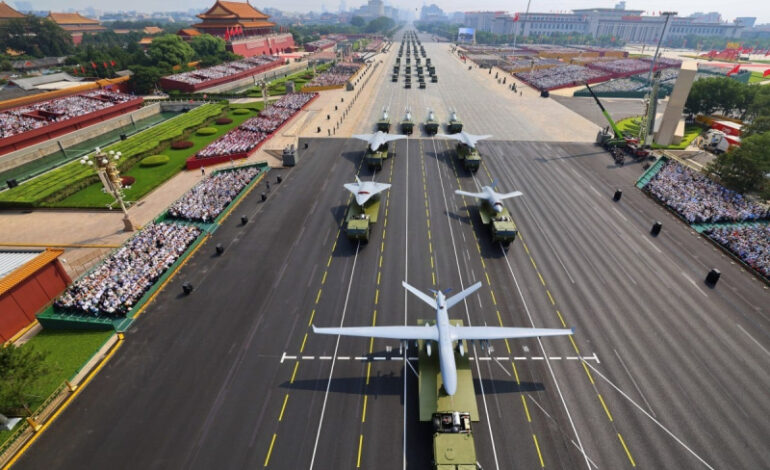
China has announced a steady increase in defence spending for the year as the country continues to pursue long term military modernisation goals. According to the national budget presented during the annual legislative meetings in Beijing, defence expenditure will rise by about seven percent. The increase reflects Beijing’s ongoing investment in modern military capabilities as it works toward strategic targets set for the coming decades. The defence allocation forms part of broader national planning discussions taking place during the country’s annual political sessions where lawmakers review economic priorities and policy direction.
The defence budget for the current year is set at approximately 1.91 trillion yuan, equivalent to about 277 billion United States dollars. While the growth rate is slightly lower than the previous year’s increase, it still exceeds the national economic growth target announced for the same period. Government officials have indicated that stable defence spending is necessary to support military training, equipment development and technological advancement within the armed forces as China continues to expand its defence capabilities.
Military modernisation has become a central objective in China’s long term strategic planning. The government has outlined goals to transform the armed forces into a more technologically advanced and highly coordinated military capable of operating across multiple domains. Investments are being directed toward areas such as advanced communications systems, cyber defence capabilities and modernized naval and air force equipment. These initiatives are designed to strengthen China’s ability to respond to emerging security challenges while improving operational readiness.
The defence spending announcement comes at a time when global military budgets are rising across several major economies. Governments around the world are expanding defence investments amid evolving geopolitical tensions and shifting security dynamics. Analysts say that maintaining consistent growth in military spending allows China to continue developing new technologies and equipment while avoiding sudden fluctuations that could disrupt long term planning within the defence sector.
China’s leadership has repeatedly emphasized that the country’s defence policy is focused on safeguarding national sovereignty and protecting development interests. Officials say the military budget supports training programs, research projects and modernization initiatives that are essential for maintaining stability and ensuring the security of critical infrastructure. Defence spending also contributes to the expansion of logistical systems and the improvement of personnel capabilities across the armed forces.
The ongoing modernization program includes the development of advanced aircraft, naval vessels and integrated information systems designed to enhance coordination between different branches of the military. China has also increased attention on emerging technologies such as artificial intelligence, satellite communications and advanced surveillance capabilities that could reshape the future of defence operations. These technologies are viewed as essential components of next generation military strategy.
As the country approaches key milestones in its military development timeline, policymakers are focused on ensuring that defence investments remain aligned with broader national objectives. The steady increase in spending reflects Beijing’s commitment to long term modernization while maintaining economic stability. Government planners continue to balance defence priorities with broader economic and technological development strategies as China works toward strengthening its overall national capabilities.