China Moves Closer to Implementing New VAT Law After Cabinet Approval
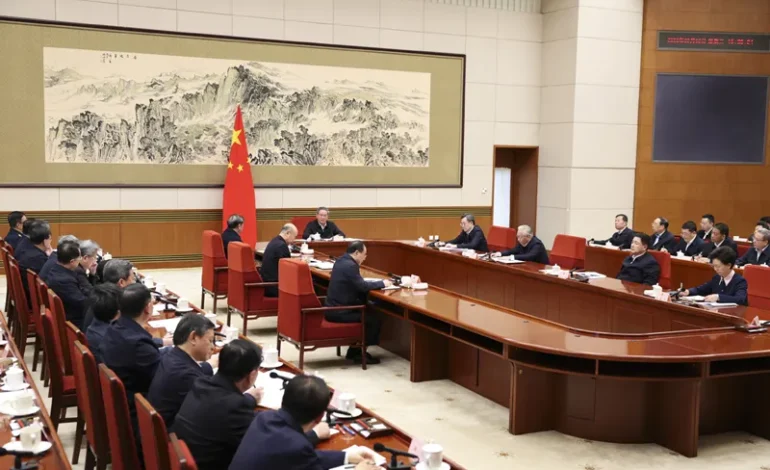
Cabinet Signals Readiness for Major Tax Reform
China has taken a decisive step toward implementing its new value added tax law after the country’s cabinet approved the draft regulations needed to enforce it. The decision by the State Council clears the way for the VAT law to take effect at the start of next year, marking an important milestone in one of the most significant fiscal reforms in recent years. As VAT represents China’s largest source of tax revenue, the move carries broad implications for businesses government finances and economic governance.
Regulations Move Toward Finalisation
The approved draft regulations provide detailed guidance on how the new VAT law will be applied in practice. These rules were released for public consultation in August and refined following feedback from businesses tax professionals and local authorities. Their approval signals that the framework is nearing finalisation, giving companies clearer expectations ahead of the law’s formal rollout. The regulations are designed to ensure consistency in enforcement across regions and industries.
VAT Law Set to Take Effect in January
The VAT law itself was passed late last year and is scheduled to come into force on January one. Unlike previous administrative rules, the law elevates VAT governance to a higher legal status, strengthening predictability and transparency in the tax system. By embedding VAT principles into legislation rather than relying primarily on administrative directives, authorities aim to reduce uncertainty and improve compliance.
Aligning with International Practices
One of the core objectives of the new VAT law is to bring China’s tax framework more closely in line with international standards. The law introduces technical adjustments to definitions procedures and compliance mechanisms that are common in mature tax systems. This alignment is particularly relevant as China seeks to attract foreign investment and integrate more deeply into global trade and financial networks.
Why VAT Matters to China’s Economy
VAT is the backbone of China’s fiscal revenue, contributing a substantial share of government income at both central and local levels. It affects a wide range of sectors from manufacturing and services to digital platforms and cross border trade. Any change to VAT rules therefore has ripple effects across the economy. Clearer legal foundations are expected to improve tax administration and reduce disputes between taxpayers and authorities.
Implications for Businesses
For businesses, the implementation of the VAT law brings both opportunities and responsibilities. Greater legal clarity can help firms plan more effectively and manage tax risks. At the same time, companies will need to review internal accounting systems invoicing practices and compliance procedures to ensure they align with the updated rules. Smaller enterprises in particular may need guidance to navigate the transition smoothly.
Strengthening Fiscal Governance
From a policy perspective, the move reflects a broader effort to modernise China’s fiscal governance. Codifying major taxes into law supports rule based administration and limits discretionary interpretation. This approach is consistent with wider reforms aimed at improving transparency efficiency and accountability in public finance.
Local Governments and Revenue Stability
The VAT law also has implications for local governments, which rely heavily on shared tax revenues. Clear implementation rules help ensure more predictable revenue flows and reduce inconsistencies between regions. As China faces slower economic growth and rising fiscal pressures, stabilising key revenue sources has become increasingly important.
A Step in China’s Long Term Reform Agenda
While the VAT law does not fundamentally change tax rates, its significance lies in institutional reform rather than immediate fiscal impact. It represents another step in China’s gradual shift toward a more standardised and internationally compatible legal framework for economic management.
Looking Ahead
With cabinet approval secured, attention now turns to final adjustments and official promulgation of the regulations before the January launch. Businesses and investors will be watching closely for any last clarifications. As implementation begins, the VAT law is expected to shape tax administration for years to come, reinforcing the legal foundations of China’s fiscal system at a time of economic transition.