China Moves to Support Southeast Asia Energy Stability Amid Middle East Supply Disruptions
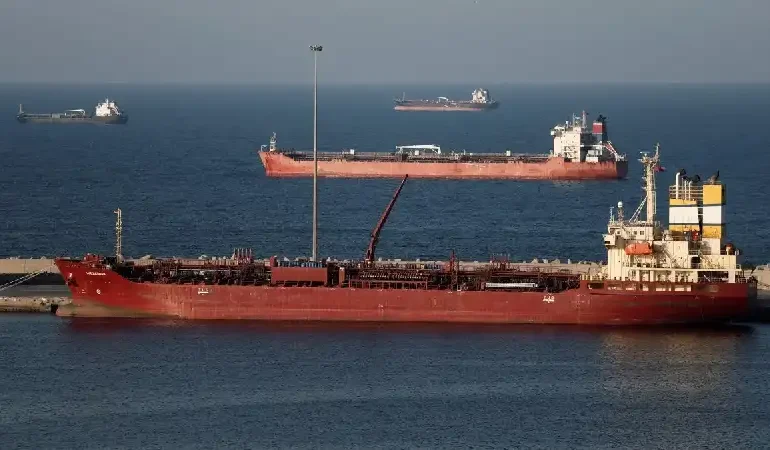
China has pledged closer cooperation with Southeast Asian nations to manage energy supply risks as the ongoing Middle East conflict continues to disrupt global oil and gas flows. Officials in Beijing have emphasised the need for coordination to address rising volatility in energy markets, particularly for import dependent economies across the region. The offer reflects growing concern over the impact of supply shocks on prices and availability, as well as the broader economic consequences for countries reliant on stable energy access to sustain industrial activity and growth.
The initiative comes at a time when global energy markets are facing heightened uncertainty due to disruptions in key transit routes and production hubs. Southeast Asian economies, many of which depend heavily on imported fuel, are experiencing increased pressure from rising costs and potential shortages. China has positioned itself as a partner willing to help stabilise supply through cooperation, including coordination on sourcing strategies and resource management. The move also aligns with Beijing’s broader efforts to expand its regional influence through economic and infrastructure engagement.
Chinese officials have called for an immediate halt to military operations in the Middle East, warning that continued conflict could deepen instability and harm global economic recovery. They stressed that protecting energy supply chains is critical not only for regional stability but also for maintaining international trade and industrial output. The message reflects China’s dual role as both a major energy importer and a key participant in global manufacturing, where disruptions can quickly translate into wider economic challenges.
The situation is creating new dynamics in regional relationships, with Southeast Asian countries exploring partnerships that can enhance resilience against external shocks. China’s offer of cooperation may open opportunities for deeper engagement in areas such as energy infrastructure, logistics and long term supply agreements. At the same time, countries in the region are likely to continue diversifying their energy sources to reduce dependence on any single partner, balancing strategic interests with economic needs.
As the conflict continues to influence global markets, energy security is becoming a central focus for governments and industries alike. The pressure on supply chains is accelerating discussions around diversification, strategic reserves and alternative energy development. China’s outreach to Southeast Asia highlights how major economies are adapting to shifting conditions by strengthening regional cooperation, while also positioning themselves to play a larger role in shaping future energy frameworks.