China Oil Output Hits Structural Limits as Growth Push Nears Plateau
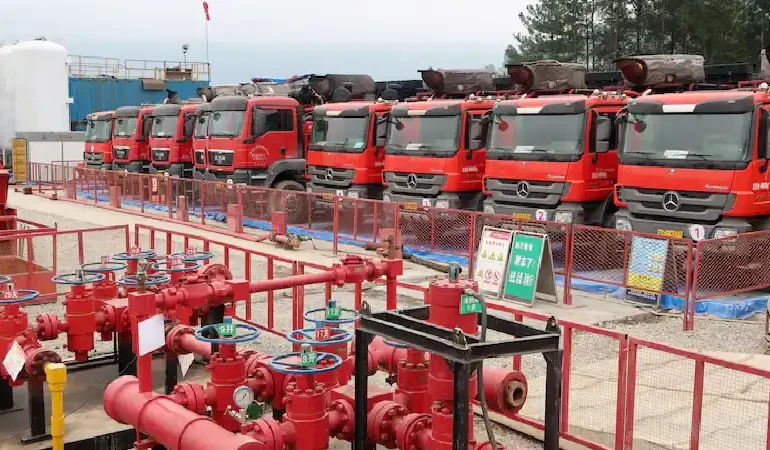
China has reached a turning point in its domestic oil production strategy after years of aggressive expansion, with output now approaching the upper limits of what is economically and technically achievable. The country recorded a peak in production last year, driven by intensified drilling at ageing fields, offshore expansion, and early stage shale oil development. However, analysts now expect output to stabilise around 4 million barrels per day for the coming decade. This level is increasingly viewed as a strategic baseline to support industrial stability and energy security rather than a platform for continued growth.
The production surge was the result of a coordinated seven year campaign launched by Beijing to reduce reliance on imported energy. State owned oil companies significantly increased investment, with annual spending on exploration and development exceeding 400 billion yuan in recent years. Offshore projects, particularly in the Bohai region, played a major role in boosting output, while mature fields such as Daqing continued to deliver strong volumes through advanced recovery techniques. These efforts enabled China to reverse earlier declines and push production back above critical thresholds.
Despite these gains, sustaining further growth is becoming more difficult as companies encounter higher costs and geological constraints. A significant portion of output now relies on enhanced recovery methods that extract additional oil from ageing reservoirs using chemical injection and other advanced techniques. These processes have proven effective but are complex and resource intensive, highlighting the diminishing returns of traditional oil fields. At the same time, offshore expansion is slowing as the most accessible reserves have already been developed.
Shale oil has emerged as a potential growth area, but it presents its own challenges. Unlike the large scale shale formations seen in North America, China’s deposits are more fragmented and technically difficult to exploit. Although production has increased sharply in recent years, reaching more than 160000 barrels per day, costs remain relatively high and vary widely depending on location and depth. Industry estimates suggest that while shale output could continue to grow, it is unlikely to fully offset the limitations of conventional production in the near term.
Energy experts emphasise that maintaining current output levels is a key priority for China’s long term planning. Domestic production serves as a stabilising factor in times of global uncertainty, particularly as geopolitical tensions affect major oil producing regions. Recent disruptions linked to conflict in the Middle East have reinforced the importance of securing a reliable base level of domestic supply. Even so, China will remain heavily dependent on imports, which continue to account for the majority of its oil consumption.
The broader energy landscape is also evolving as China accelerates the electrification of its transport sector and shifts toward cleaner energy sources. Slower demand growth, combined with structural changes in the economy, is expected to reduce pressure on oil consumption over time. However, oil will remain a critical component of the energy mix, particularly for heavy industry and strategic reserves. This creates a complex balance between managing domestic production limits and ensuring adequate supply through global markets.
Looking ahead, analysts expect China’s oil output to remain relatively stable in the short term before gradually declining as resource constraints become more pronounced. The focus is likely to shift toward efficiency, technological innovation, and strategic stockpiling rather than expansion. As the country navigates this transition, its role in global energy markets will continue to be shaped by both domestic limitations and external supply dynamics.