
China-Pakistan Industrial Cooperation Updates
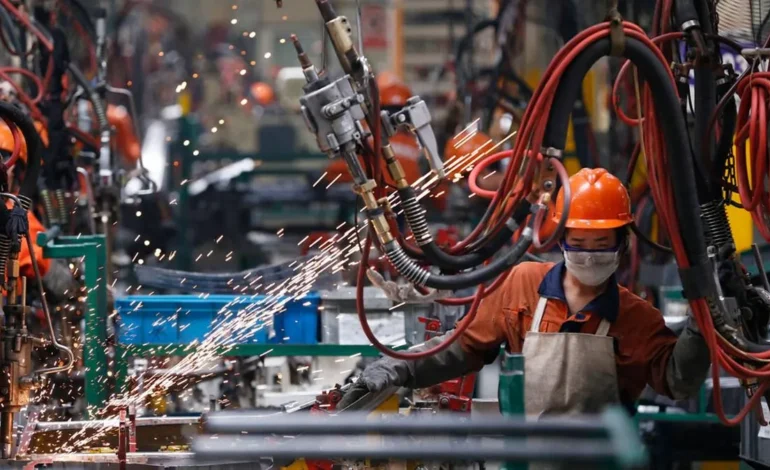
China-Pakistan industrial cooperation continues to deepen as both countries pursue strategic economic development through infrastructure, trade, and manufacturing initiatives. The China-Pakistan Economic Corridor (CPEC) has been the cornerstone of this collaboration, providing a framework for industrial parks, special economic zones, and joint ventures. Industrial cooperation spans multiple sectors, including energy, manufacturing, logistics, and technology. Understanding recent developments provides insight into bilateral trade growth, investment opportunities, and regional economic integration.
Historical Context of Industrial Cooperation
Industrial collaboration between China and Pakistan has been driven by shared strategic interests and economic complementarity. CPEC, launched in 2015, represents the largest bilateral economic initiative in Pakistan, encompassing road networks, ports, energy projects, and industrial zones. Early investments focused on infrastructure development to facilitate trade and logistics, creating the foundation for expanded industrial collaboration in manufacturing, textiles, automotive, and technology sectors.
Recent Developments in Industrial Zones
Several industrial parks and special economic zones have been established under CPEC to boost manufacturing and export capacity. These zones provide tax incentives, infrastructure support, and simplified regulatory frameworks for investors. Projects include textile manufacturing clusters, automotive assembly hubs, and electronics production centers. The development of these zones aims to attract domestic and Chinese investment, create jobs, enhance skills, and stimulate local economies.
Energy Sector Collaboration
Energy projects remain central to China-Pakistan industrial cooperation. Investments in coal, hydropower, solar, and wind projects ensure reliable electricity supply for industrial zones. Joint energy ventures reduce operational costs, stabilize power availability, and support industrial growth. Renewable energy projects also align with sustainability goals, enabling energy-intensive industries to expand production without environmental compromise.
Manufacturing and Industrial Upgrading
Industrial cooperation emphasizes upgrading production capabilities through technology transfer, skill development, and modern manufacturing practices. Chinese companies provide machinery, engineering expertise, and quality control systems to Pakistani manufacturers. Joint ventures in automotive, textiles, and electronics industries enhance local production standards, introduce advanced manufacturing techniques, and increase competitiveness in regional and global markets.
Logistics and Supply Chain Integration
Efficient logistics networks are critical for industrial cooperation. Investments in Gwadar port, railways, and highways enhance connectivity between industrial zones and international markets. Integrated supply chains facilitate the movement of raw materials, intermediate goods, and finished products. Improved logistics reduce delivery times, lower costs, and strengthen Pakistan’s export capacity, creating mutual benefits for Chinese investors and local businesses.
Technology and Digital Infrastructure
Technology adoption is a growing focus in China-Pakistan industrial collaboration. Initiatives include smart factory implementation, automation, and digital monitoring systems. Chinese expertise in Industry 4.0 technologies enhances efficiency, production quality, and operational resilience. Digital infrastructure in industrial zones supports data-driven decision-making, predictive maintenance, and optimized production schedules, ensuring long-term competitiveness and productivity gains.
Investment and Financing Mechanisms
Investment in joint industrial projects is supported through bilateral financing, development bank loans, and public-private partnerships. Chinese banks and institutions provide capital for infrastructure, industrial setup, and technology deployment. Risk-sharing mechanisms, concessional loans, and government-backed guarantees reduce investor exposure, encouraging participation from both domestic and Chinese enterprises. These financial instruments accelerate industrial development while ensuring project sustainability.
Employment and Skill Development
Industrial cooperation has generated significant employment opportunities in Pakistan. Chinese companies provide training programs, technical expertise, and vocational education to build local capacity. Skill development initiatives enhance workforce productivity and create a talent pool capable of sustaining industrial growth. Employment creation contributes to social stability, income generation, and economic diversification in industrial regions.
Trade and Export Growth
Industrial collaboration boosts bilateral trade by increasing the production of exportable goods. Textiles, electronics, and automotive components are key sectors benefiting from joint ventures. Improved manufacturing capacity, combined with enhanced logistics infrastructure, enables Pakistan to meet regional and global market demand efficiently. Trade agreements and industrial policies ensure that exports comply with quality, safety, and regulatory standards, enhancing competitiveness.
Challenges and Risk Management
Despite progress, challenges remain in China-Pakistan industrial cooperation. Regulatory differences, administrative delays, and local policy inconsistencies can affect project timelines. Energy shortages, land acquisition issues, and geopolitical tensions pose operational risks. To mitigate these challenges, stakeholders emphasize clear contractual agreements, risk assessment, and adaptive project management strategies. Transparent governance, continuous monitoring, and stakeholder engagement are essential for long-term success.
Future Outlook
Industrial cooperation between China and Pakistan is expected to expand with the continued development of CPEC projects. Focus areas include high-tech manufacturing, renewable energy integration, digital industrialization, and export-oriented production. Further investment in industrial zones, logistics infrastructure, and workforce development will strengthen bilateral trade, enhance competitiveness, and create regional economic hubs. Strategic alignment between Chinese and Pakistani industrial policies will be critical to maximizing mutual benefits.
Conclusion
China-Pakistan industrial cooperation under initiatives such as CPEC is transforming the industrial and economic landscape in Pakistan. Investments in manufacturing, energy, logistics, and technology create a foundation for sustainable growth, regional trade expansion, and employment generation. While challenges such as regulatory alignment, infrastructure development, and operational risks persist, ongoing collaboration offers significant opportunities for economic integration, industrial modernization, and bilateral strategic advancement. This cooperation positions both nations to achieve long-term economic and technological gains.



