China Plans Diplomatic Mission to Middle East as Regional Tensions Escalate
China announced plans to send a special diplomatic envoy to the Middle East as the country increases its efforts to support mediation and reduce tensions in the region. The move reflects Beijing’s growing role in global diplomacy as conflicts in the Middle East continue to raise concerns about energy security, shipping routes and regional stability.
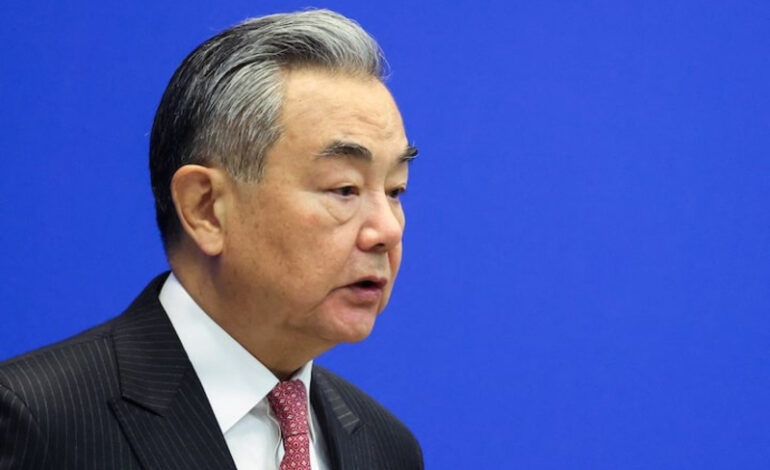
Chinese Foreign Minister Wang Yi confirmed that Beijing will dispatch a representative to engage with regional governments and explore opportunities for dialogue. The initiative follows a series of discussions between Chinese officials and leaders in key Middle Eastern countries as the situation in the region remains volatile.
During a recent phone conversation with Saudi Arabia’s foreign minister, Wang Yi emphasized China’s support for peaceful solutions and diplomatic engagement. Chinese officials praised Saudi Arabia for demonstrating restraint and continuing to advocate for negotiations rather than escalation.
In a separate conversation with the foreign minister of the United Arab Emirates, Wang highlighted the importance of protecting civilians and avoiding attacks on non military targets. Chinese diplomats stressed that infrastructure connected to energy production and global trade should remain protected as tensions continue to affect the region.
Beijing also expressed concern about the safety of international shipping routes. The Middle East contains some of the most important maritime corridors for global trade, including routes that transport oil and natural gas to markets across Asia and Europe. Any disruption to these routes could have a significant impact on global energy prices and supply chains.
China has become one of the world’s largest energy importers and maintains close economic ties with many Middle Eastern countries. Stability in the region is therefore closely linked to China’s economic interests as well as the broader functioning of global trade networks.
Over the past decade China has gradually increased its diplomatic engagement in the Middle East. The country has developed partnerships with several regional powers while promoting dialogue aimed at reducing tensions between rival states. Beijing has also emphasized its position that political disputes should be resolved through negotiation and international cooperation.
The decision to send a special envoy reflects China’s broader effort to expand its role as a diplomatic mediator in international conflicts. Chinese officials have increasingly presented the country as a neutral participant capable of facilitating communication between countries with competing interests.
The Middle East remains a strategically important region for global energy markets and international trade flows. Conflicts in the area can influence oil prices, shipping costs and geopolitical relationships across continents.
As tensions persist, diplomatic initiatives involving multiple global powers are expected to play a crucial role in preventing further escalation and maintaining stability across one of the world’s most economically significant regions.